
Say “apples and honey” out loud and you probably don’t think of curry.
You think of a fruit stall, a pot of tea, or something a grandmother insists is good for your throat. Curry is supposed to sit at the other end of the pantry: onions, spice, stock and a bit of heat.
Yet one of the best-known names in Japanese curry has built its identity on that pairing. House Vermont Curry puts apples and honey right on the box. It doesn’t hide them as secret ingredients.
So who decided that belonged in curry? And why did it work?
The Short Answer: House Foods’ Curry Sauce Mix
House Foods made the decision, and it wasn’t an accident.
The company’s own English-language product page describes Vermont Curry as an “enduring bestseller” that “includes apples and honey for a deliciously mild flavor.” Apples and honey aren’t decoration; they’re part of what the product is for.
House launched Vermont Curry in Japan in 1963. Commonly cited brand histories say the goal was to make a curry that families could share with children. If so, it explains much of what followed: a curry built for the whole family doesn’t need to impress anyone. It needs to be eaten and enjoyed.
The Vermont Name: A Folk Health Story
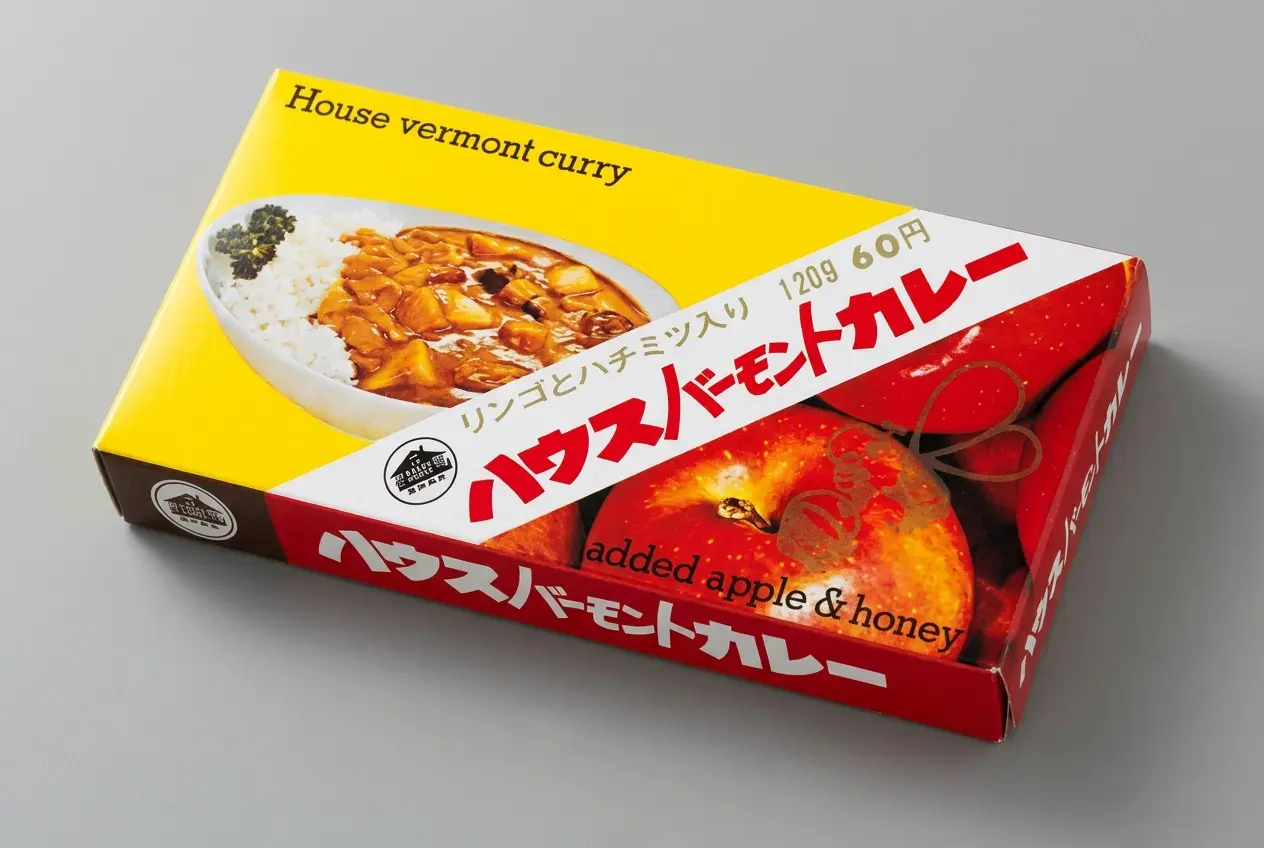
Why a US state ended up on a Japanese curry box
Vermont is a small state in the northeastern United States, known for maple syrup, dairy and green mountains. It is not known for curry.
The name comes from a health idea, not a recipe. A Japanese article from 2008 says its writer called House Foods’ public relations office to ask about it. According to that account, House’s founder learned about an apple-and-honey health practice linked to Vermont while the curry roux was still being developed. He named the product after it.
The story is often traced back to a 1958 American book, Folk Medicine: A Vermont Doctor’s Guide to Good Health. The book popularised honey and apple cider vinegar as everyday tonics, and it became something of a craze. Several accounts connect the Vermont name to that wave of interest.
What we can and can’t say for sure
It’s worth being careful here. The naming story is a company account, repeated widely over the years. It’s not an independently documented chain of events, and nobody is claiming apple-and-honey remedies have anything to do with curry in Vermont itself.
What the story does show is how the name was meant to work. “Vermont” was shorthand. It suggested something wholesome, gentle and a little health-minded. House didn’t borrow a place; it borrowed a feeling about a place.
I find that quietly clever. Many food brands reach for foreign names to sound exotic. This one reached for a foreign name to sound safe.
Apples and Honey Weren’t There for Novelty
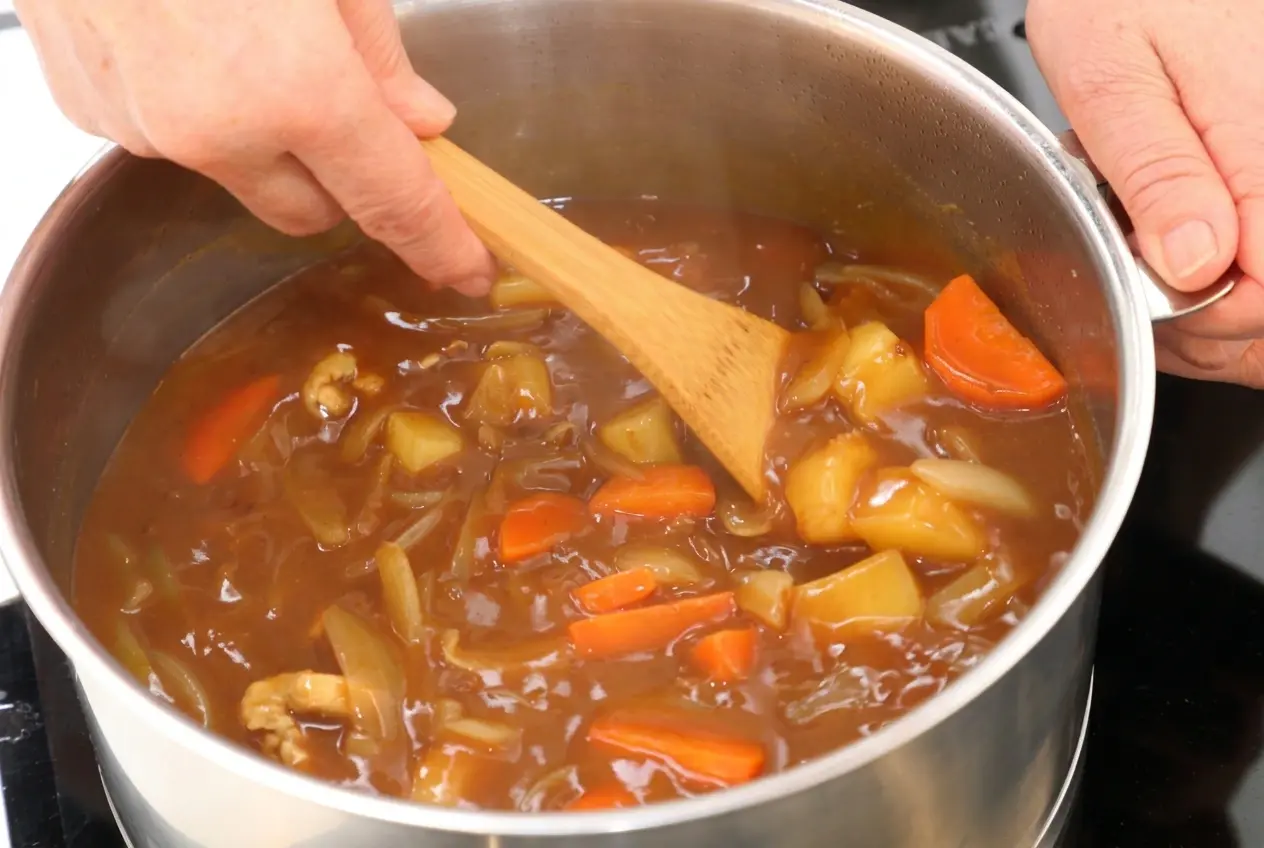
“Apples and honey in curry” sounds like a gimmick until you think about what a family curry actually has to do.
Japanese curry tends to be thicker, milder and sweeter than many other curry traditions. A lot of that comes from the roux, which traditionally combines flour and fat cooked with curry powder. Some sweetness comes from onions cooked down slowly. Home cooks have long added fruit or sweetness of their own, such as grated apple or a spoon of honey. Vermont Curry takes that habit and puts it on the label.
What each ingredient does
Apples bring soft fruitiness and a little acidity, which can lift a heavy sauce.
Honey brings roundness and smooths the sharper edges of curry spices.
Together they create a mild, slightly sweet profile. It’s flavour design for a home kitchen, where the cook has to feed people with different tolerances for heat.
Why mild was a deliberate choice
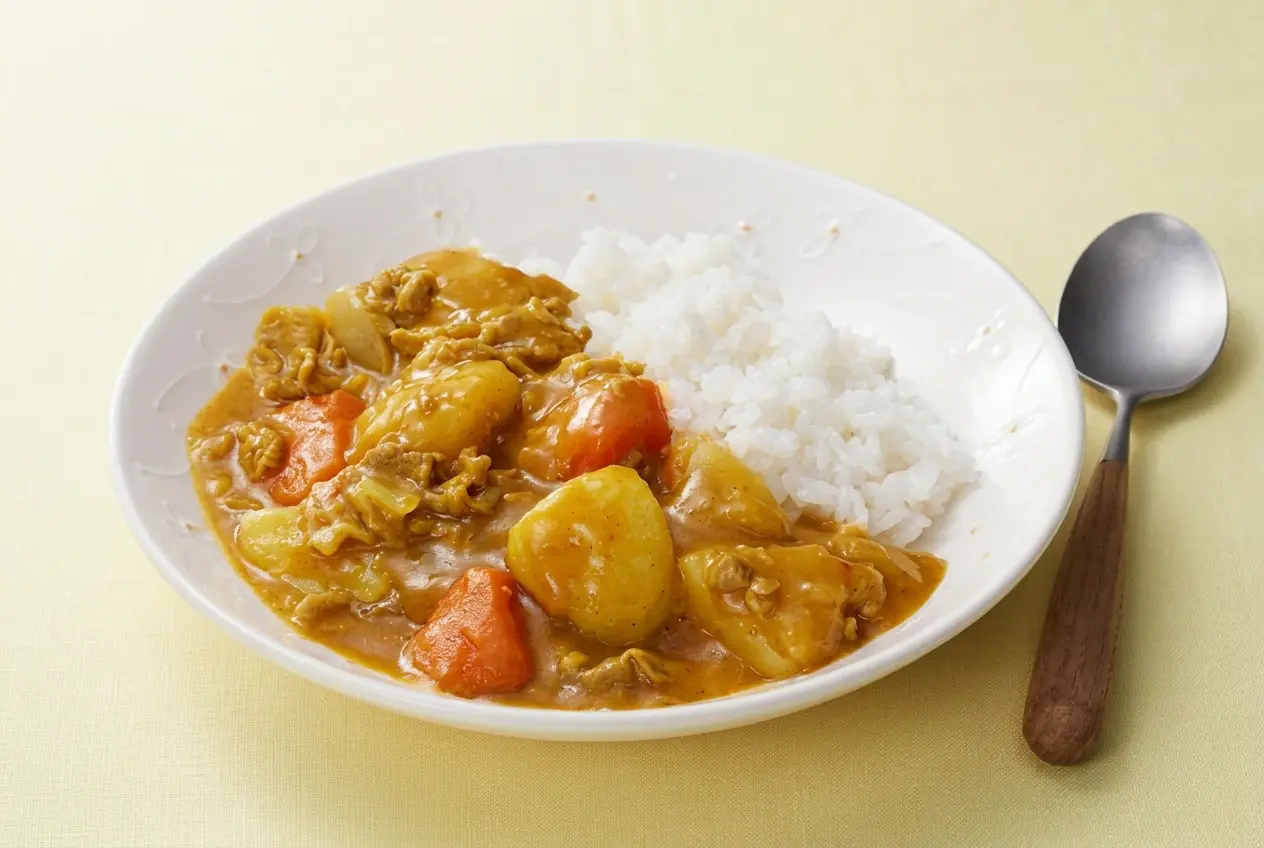
A drier, spicier curry might win over some adults. It can be a harder sell at a table with children who haven’t decided they like spice yet.
Vermont Curry seems built for the opposite outcome: few complaints, broad approval and a good chance you’ll buy the box again. In product terms, that’s sensible. At dinner, it’s even more so. Nobody wants to cook something half the table quietly pushes aside.
House keeps the spice range simple. Its official recipe page notes that mild, medium hot and hot versions all use the same method. You choose your heat, and the cooking stays the same.
What Makes House Vermont Curry Distinctive
Plenty of boxed Japanese curry products offer convenience. Convenience alone doesn’t explain why a brand lasts for decades.
It picked a clear lane
Vermont Curry isn’t just “Japanese curry.” It’s mild Japanese curry with recognisable sweetness from apples and honey. That’s a narrower promise, and probably a more memorable one. When a shopper stands in front of a shelf of near-identical boxes, a simple idea helps.
It fits the classic curry roux template
House’s own recipe is straightforward: meat, onions, potatoes, carrot, water and the curry roux. Cut the vegetables and meat into bite size pieces, then add them to the pot after heating oil. Sauté until the onions are lightly browned, then add 850ml of water, or 750ml if cooking with the lid on. Simmer for approximately 15 minutes, until the meat and vegetables soften.
The recipe then calls for breaking the roux into the pot off the heat and stirring until dissolved. Return it to low heat and simmer, stirring occasionally, for about 10 minutes until the curry sauce thickens. A covered pot helps the ingredients cook evenly; stir as needed to keep the sauce from sticking.
This method works with chicken, pork or beef, along with vegetables, for a comforting stew served over rice. House Foods’ standard recipe makes six servings with a 115g box, or twelve servings with a 230g box. Adjust the ingredients and water according to the package size and the manufacturer’s instructions.
What’s in the curry sauce mix?
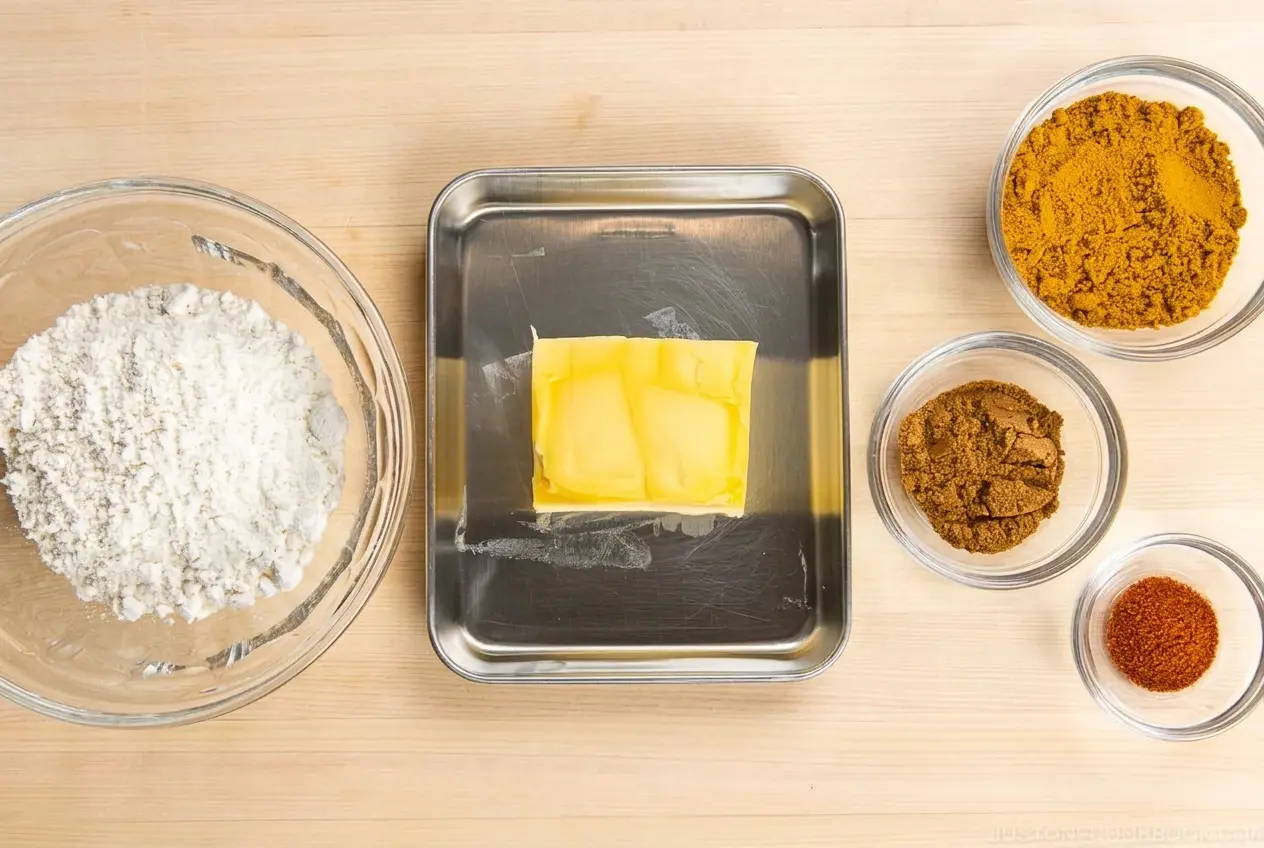
The allergen-free Vermont Curry product is sold as a powdered curry sauce mix. This special powdered formulation is different from the standard Vermont Curry blocks. Regular Vermont Curry contains wheat and milk ingredients, while the specially labelled version is formulated without Japan’s eight specified allergens.
The allergen-free Vermont Curry product is sold as a powdered curry sauce mix. Its ingredients include rice flour, sugar, salt, dextrin, yeast extract and onion extract, along with garlic powder, tomato powder, curry powder, honey powder and powdered apple juice. Other Vermont Curry formulations may contain corn starch, cocoa powder, citric acid and additional seasonings. Ingredients vary by product, so always check the package for current details.
House Foods also sells a special powdered Vermont Curry formulation made without eight specified allergens under Japan’s food-labelling system: egg, milk, wheat, buckwheat, peanut, shrimp, crab and walnut.
However, this does not mean the product is free of every potential allergen. The published ingredients include pork-derived components and apple, so anyone with food allergies should check the exact product label before using it
It made sweetness intentional
There’s a small detail on the official recipe page I like. If you want to add more honey, House suggests adding it while the ingredients simmer and cooking for at least 20 minutes after the curry comes to a boil.
That’s not marketing. It’s a company that has thought carefully about how sweetness behaves in a pot.
How Vermont Curry Fits Into Japanese Home Cooking
Japanese curry became a home staple partly because boxed roux made it manageable. You didn’t need to toast spices or balance a dozen ingredients. You needed a pot, some vegetables and a block of roux.
Products like this did more than save time. In my view, they also shaped taste. Over the years, a certain balance of thickness, sweetness and spice stopped feeling like one company’s choice. It started feeling like what curry is simply supposed to taste like.
Advertising helped fix that idea in memory. The same 2008 article recalls a well-known commercial jingle sung by pop star Hideki Saijo, built around apples and honey “melting” into House Vermont Curry. For a generation of viewers, the flavour came with a tune attached. Online posts about the product still return to its familiar sweet, mild taste.
That’s the real achievement here. Not the apples, not the honey, but making sweetness feel like a promise rather than a side effect.
Why the Story Makes Sense in Singapore
There’s no need to force a local angle. The logic travels well on its own.
Many Singapore kitchens know the comfort of a packaged base that turns into a proper meal: a paste, a mix or a block in a box. Those products earn their place not because they’re impressive, but because they work on an ordinary evening when nobody has energy left for cooking projects.
Vermont Curry belongs to the same family of practical food. You don’t need to care about Vermont the state or the 1950s health craze behind the name. You only need to understand the reasoning: make curry gentle enough that everyone at the table will eat it, then make that gentleness easy to remember.
And there’s a dry little joke in the whole thing. A Japanese curry, named after an American state, famous for apples and honey instead of spice. On paper it sounds unlikely. In the pot, it seems to make perfect sense.
So, Who Put Apples and Honey in the Curry Sauce?
House Foods did, and on purpose.
The company borrowed a folk health image tied to Vermont, built a mild Japanese curry around apples and honey, and put that idea front and centre. The result wasn’t just a quirky name. It was a clear answer to a practical question: what kind of curry will families actually keep cooking?
The answer was mild, slightly sweet and dependable. Not glamorous. Just right for a weeknight. It’s easy to see why people love a delicious curry that the whole family can enjoy.
That’s usually how food culture shifts: not with a grand statement, but with enough households deciding dinner tastes right this way, then cooking it again the next week.
If House Vermont Curry has only ever been a familiar box on a supermarket shelf to you, it might be worth reading the label once more. Sometimes the most ordinary packaging carries the most useful story.
If you enjoy the gentle sweetness of Japanese curry, discover why slow-cooked Japanese beef curry works so well with tender beef and a rich, savoury sauce.