Japanese curry was never an occasion for me. It was a mall meal, a family dinner, something ordered after school without much thought. The sauce was brown and thick. The rice was always there. That was enough.
It took years before I started noticing the differences. One kitchen leans sweet. Another lets the spice linger. A cutlet can stay crisp, or it can give in completely to the curry sauce.
If you’ve been looking for the best japanese curry singapore has to offer, think of this less as a ranking and more as a map of japanese curry singapore; from classic curry rice to regional styles and generous katsu plates.
| Restaurant | Known for |
|---|---|
| Maji Curry | A rich, slow-cooked curry sauce with deep savoury flavour. |
| CoCo Ichibanya | Customizable curry with more than 40 toppings and adjustable spice. |
| Japan Rail Cafe | Black pepper-based Watashino Curry Rice and regional Japanese influences. |
| Kuro Kare | Distinctive black curry slow-cooked for over 36 hours. |
| Gochi-So Shokudo | Katsu curry featuring Iberico, Duroc and other pork cuts. |
| Monster Curry | Generous curry plates, five spice levels and hearty toppings. |
| Maruhachi Donburi & Curry | Crispy katsu curry served in casual neighbourhood settings. |
| Yoshinoya Singapore | Affordable curry rice options, including karaage and ebi. |
1. Maji Curry (Novena): Best Japanese Curry Rice for a Rich, Slow-Cooked Sauce
Nearest MRT: Novena MRT, about 3 minutes’ walk
Price range: S$12 to S$20
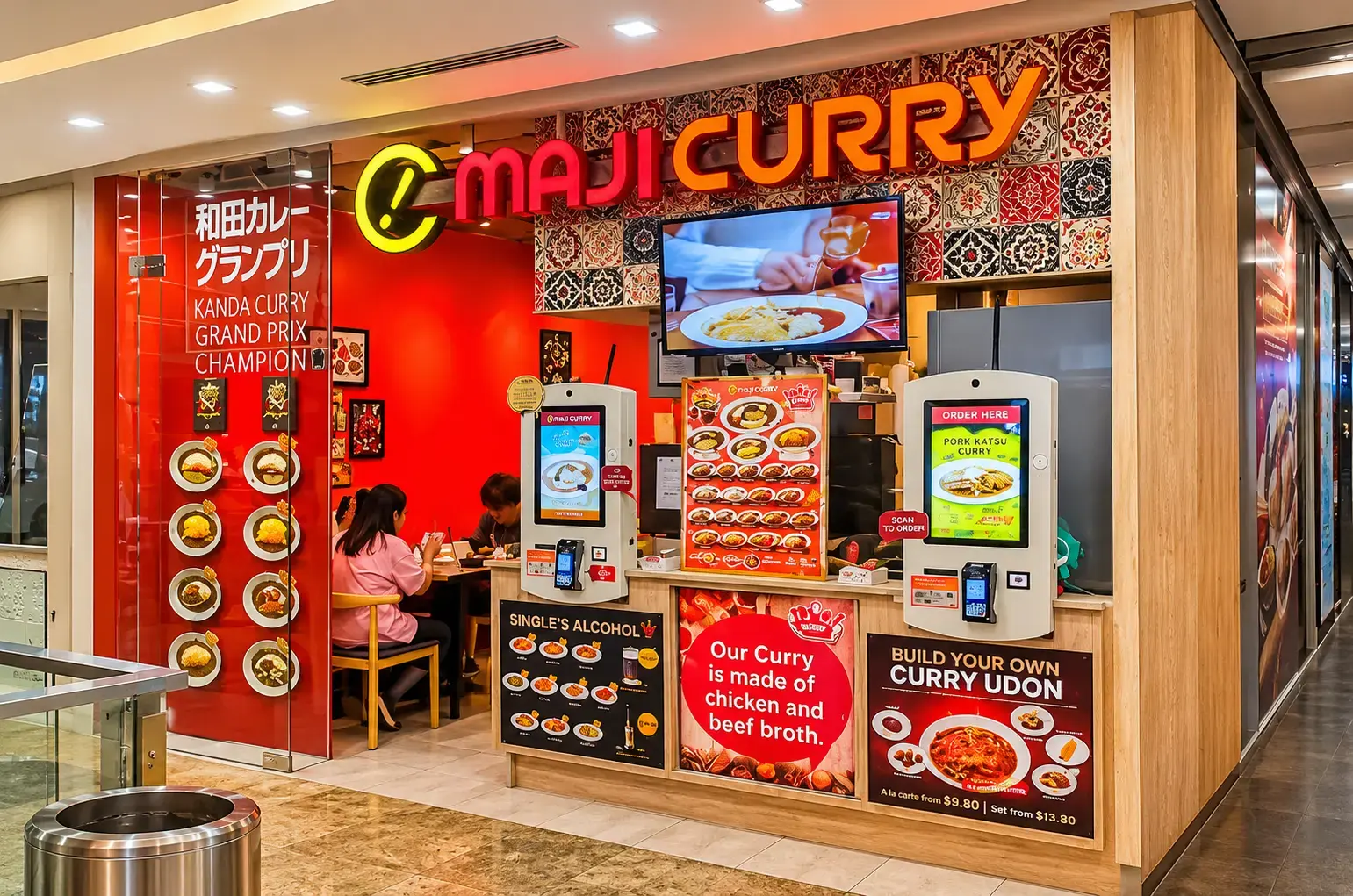
Maji Curry sits inside Square 2. The space is small and functional, closer to a Tokyo counter than a dining room. The restaurant won the Kanda Curry Grand Prix in 2018, and that tells you where its attention goes.
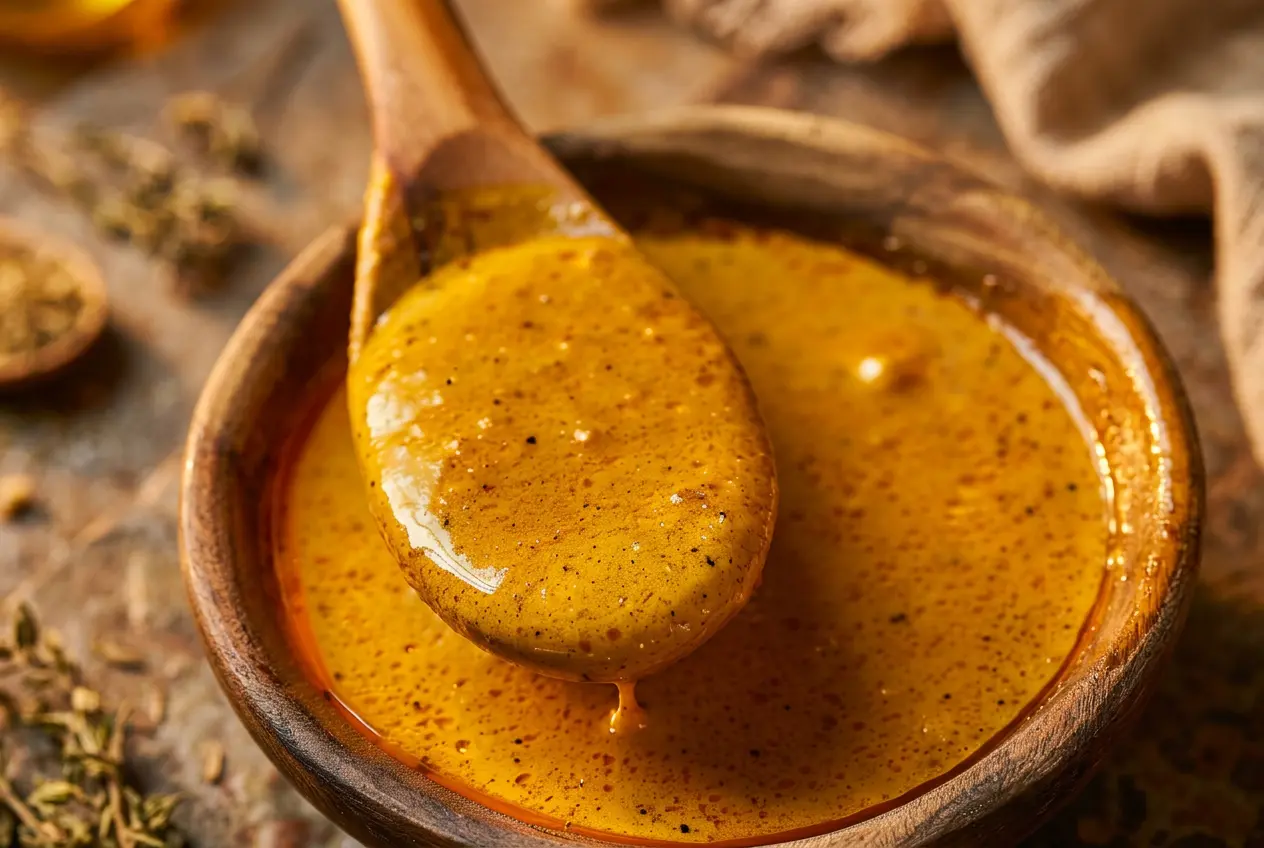
It goes into the sauce. Maji’s curry is slow-cooked for 100 hours with 10 spices, creating a dark, savoury and rounded japanese curry sauce. It’s more concentrated than many easygoing plates, and seems built to hold up against whatever sits on top. Diners can also customize the sauce with a range of toppings.
The Cheese Hamburg Curry Rice is the richest way in: hamburger steak, grated cheese melting into the hot sauce, and rice underneath. If you want contrast more than comfort, the Chicken Katsu Curry Rice or Pork Katsu Curry Rice lets a crispy breaded pork cutlet or chicken cutlet push back against the curry. You can add an omelette for something softer.
It isn’t light. If you’re after a gentle or brothy bowl, this probably isn’t your stop.
What It’s Best For: Thick Curry Sauce, Tokyo-Style
Diners who judge Japanese curry by the sauce first and want it dark, savoury and concentrated.
Why It Made the List
Maji Curry is focused. It has an award-winning recipe, a menu built around one serious sauce, and toppings chosen for how they work with it. That focus is why it belongs in a guide to the best japanese curry rice in Singapore.
2. CoCo Ichibanya (Dhoby Ghaut): Customizable Curry Dishes for Every Appetite
Nearest MRT: Dhoby Ghaut MRT, about 3 minutes’ walk (Plaza Singapura outlet)
Price range: S$13 to S$22
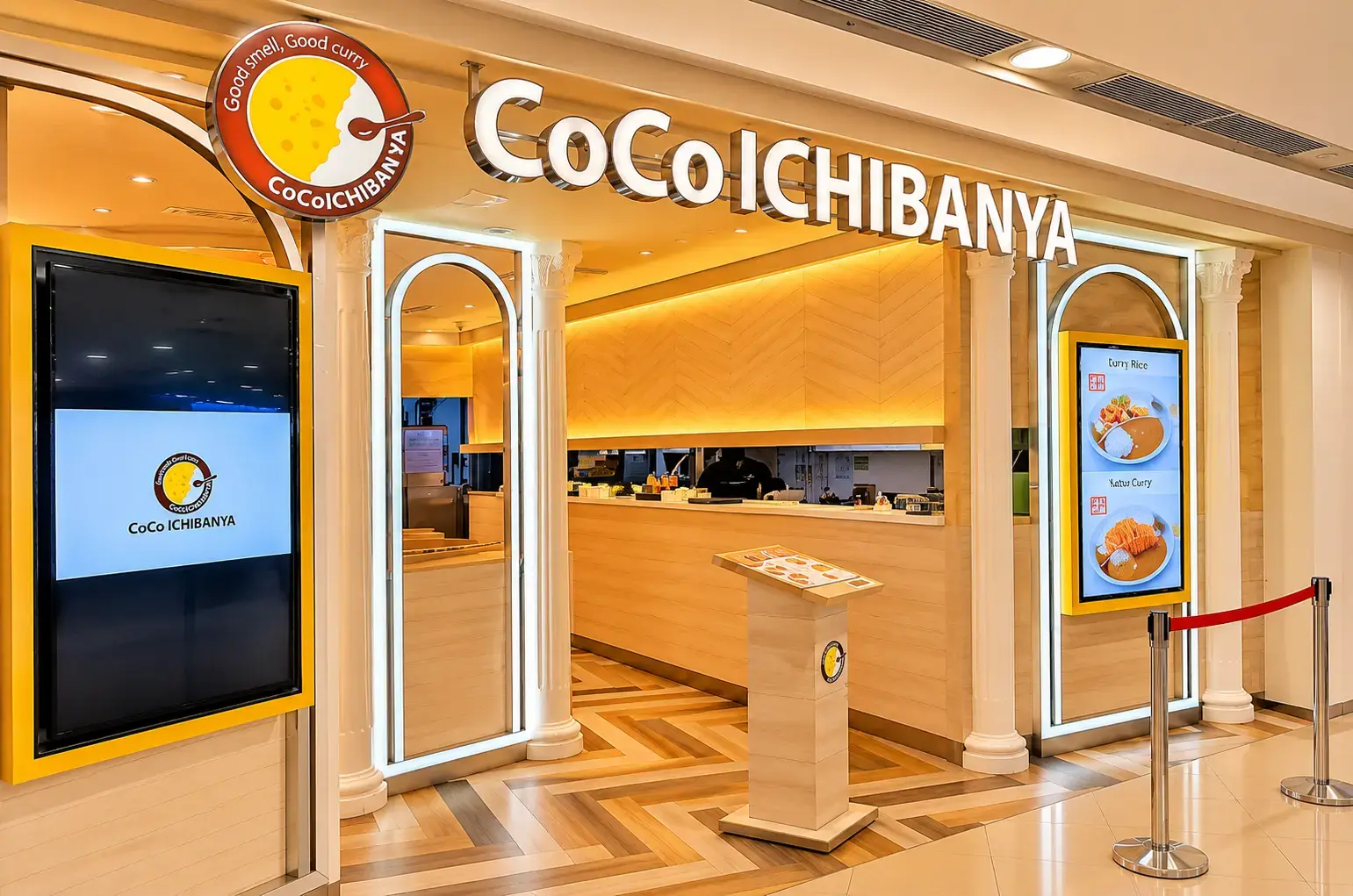
CoCo Ichibanya has always meant choice to me. You decide the rice amount, the spice level, the sauce style and the toppings. This customisable curry rice can become a quiet weekday plate or something much fuller, making it easy to find customizable curry dishes for a mixed group.
The base curry is familiar rather than experimental. It’s thick, steady and comforting. What changes is everything around it: chicken katsu, pork cutlet, omelette, mushrooms, cheese, eggplant, carrot, seafood and extra vegetables. CoCo offers more than 40 toppings, so diners can build their own combination.
The pork cutlet omelette curry is probably the easiest order to love, with soft egg and crisp breading held together by curry. The tomato omelette curry offers another tangy, softer variation. The creamed mushroom omelette curry is a gentler path, plush and less meat-heavy. There’s also a Curry Noodles section now. Pork Cutlet & Cheese Curry Noodles pairs a crispy katsu cutlet with minced pork, egg, leeks and cheese.
The trade-off is that there’s no single, specialised style here. If you want a kitchen with one strong opinion, look elsewhere.
What It’s Best For: Customizable Curry Dishes for Mixed Groups
Tables where nobody agrees on spice, portion or toppings.
Why It Made the List
Not every curry needs to surprise. CoCo Ichibanya earns its place by letting each person build the plate they actually want, with dependable options ranging from a crispy chicken cutlet to an omelette-topped bowl.
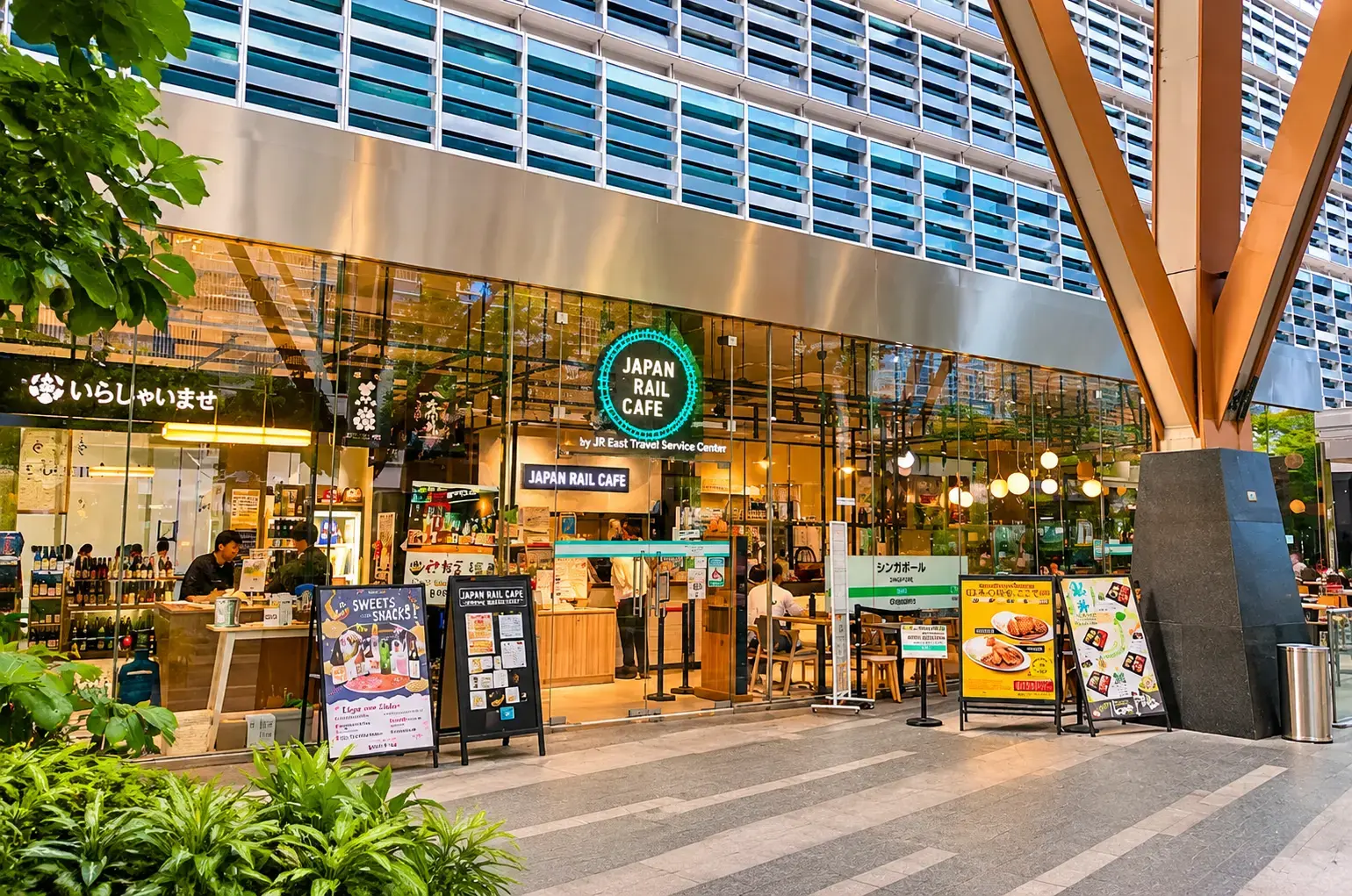
3. Japan Rail Cafe (Tanjong Pagar): Classic Curry Rice with a Regional Story
Nearest MRT: Tanjong Pagar MRT, about 5 minutes’ walk
Price range: S$14 to S$22
Japan Rail Cafe is operated by the East Japan Railway Company (JR East), which gives it a different reason to exist. It’s partly a restaurant and partly a quiet doorway into Japan travel. The room is calmer than most curry chains, and the food seems to match that pace.
The Watashino Curry Rice is the café’s clearest statement. It has a black pepper base and a blend of spices, smooth and mild, warm without turning aggressive. I’d call it a quieter curry, not a weaker one. The cafe’s menu reflects dishes and regional influences from across Japan, offering authentic Japanese flavors in a relaxed setting.
For more texture, the customizable Watashino Rice Plate lets diners pair Japanese curry rice with crispy chicken katsu, pork tonkatsu, pork-and-beef hamburg or prawn tempura. There is also a choice of sides, allowing diners to build a fuller meal around the curry.
If you want maximum intensity or a fast, no-frills fix, this won’t meet that craving.
What It’s Best For: Watashino Curry Rice and a Slower Meal
Japan travellers, culture lovers, and anyone who likes some context around their curry.
Why It Made the List
Few places on this list connect curry to a wider story about Japan. Japan Rail Cafe does it gently, and its black pepper curry gives it a flavour of its own.
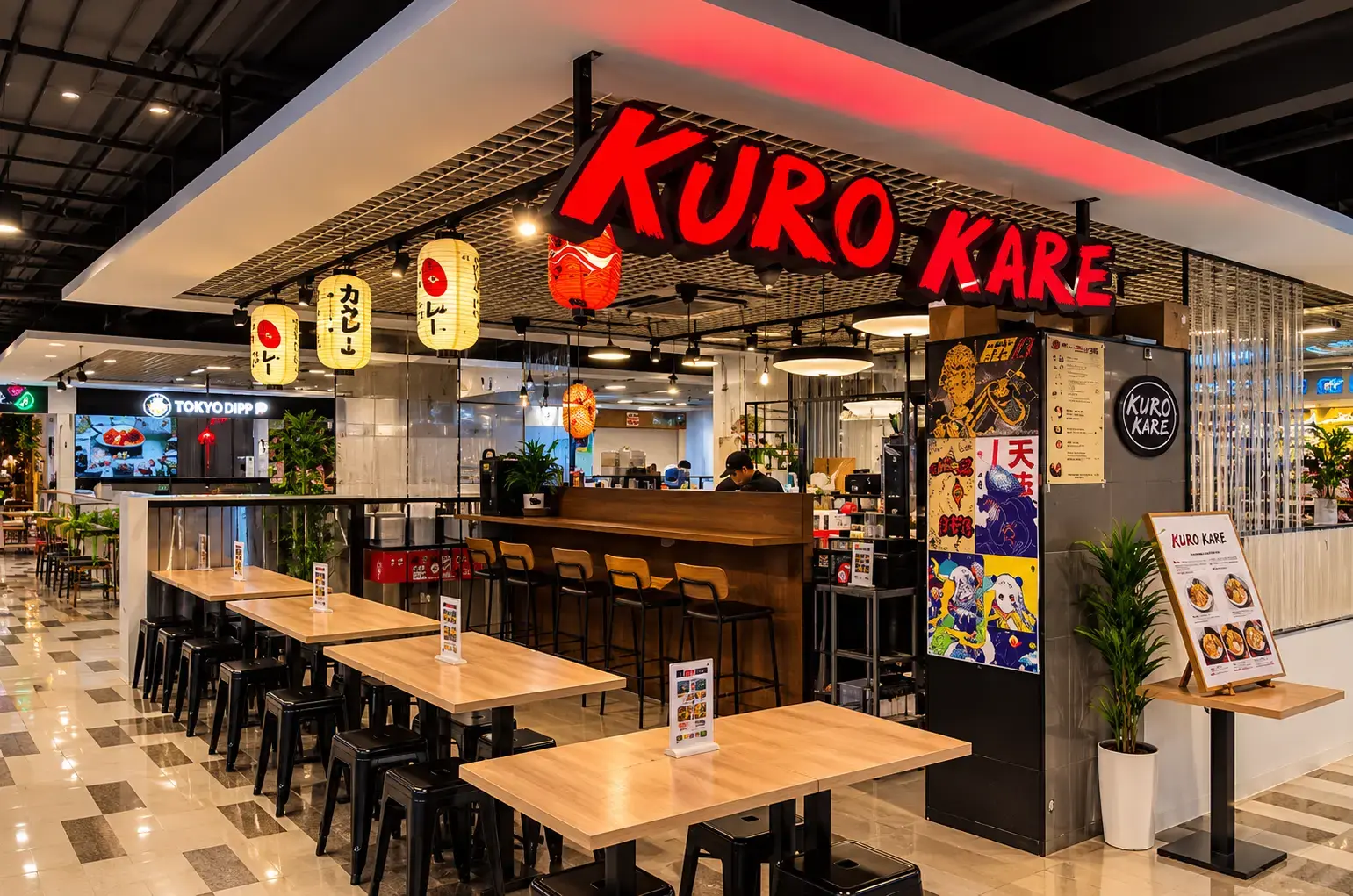
4. Kuro Kare (Havelock): Black Curry with 36-Hour Depth
Location: Havelock II
Nearest MRT and price range: Not listed in my research, so check before heading over.
Kuro Kare is where the curry stops being sweet and mild. It’s run by the former team behind the fine-dining restaurant Fleurette and describes itself as a Japanese French Singaporean restaurant. Its signature black curry uses a blend of 25 spices and is slow-cooked for over 36 hours.
From everything I’ve gathered, the result is deep, savoury and full of umami, a clear step away from typical Japanese curry dishes. The proteins include thinly sliced Australian ribeye and Spanish pulled pork.
The Iberico Pork Katsu Curry gives you the full contrast of crisp meat against black curry. The Kuro Fried Chicken Curry is the more straightforward choice for fans of chicken katsu curry and a crunchy chicken cutlet.
If the gentle sweetness of familiar Japanese curry is exactly what you love, this may feel like a different dish entirely. That’s partly the point.
What It’s Best For: Days When Mild Feels Too Predictable
Curry lovers who want intensity and slow-cooked depth over comfort.
Why It Made the List
A 36-hour, 25-spice black curry from a team with fine-dining roots widens what Japanese curry in Singapore can look like.
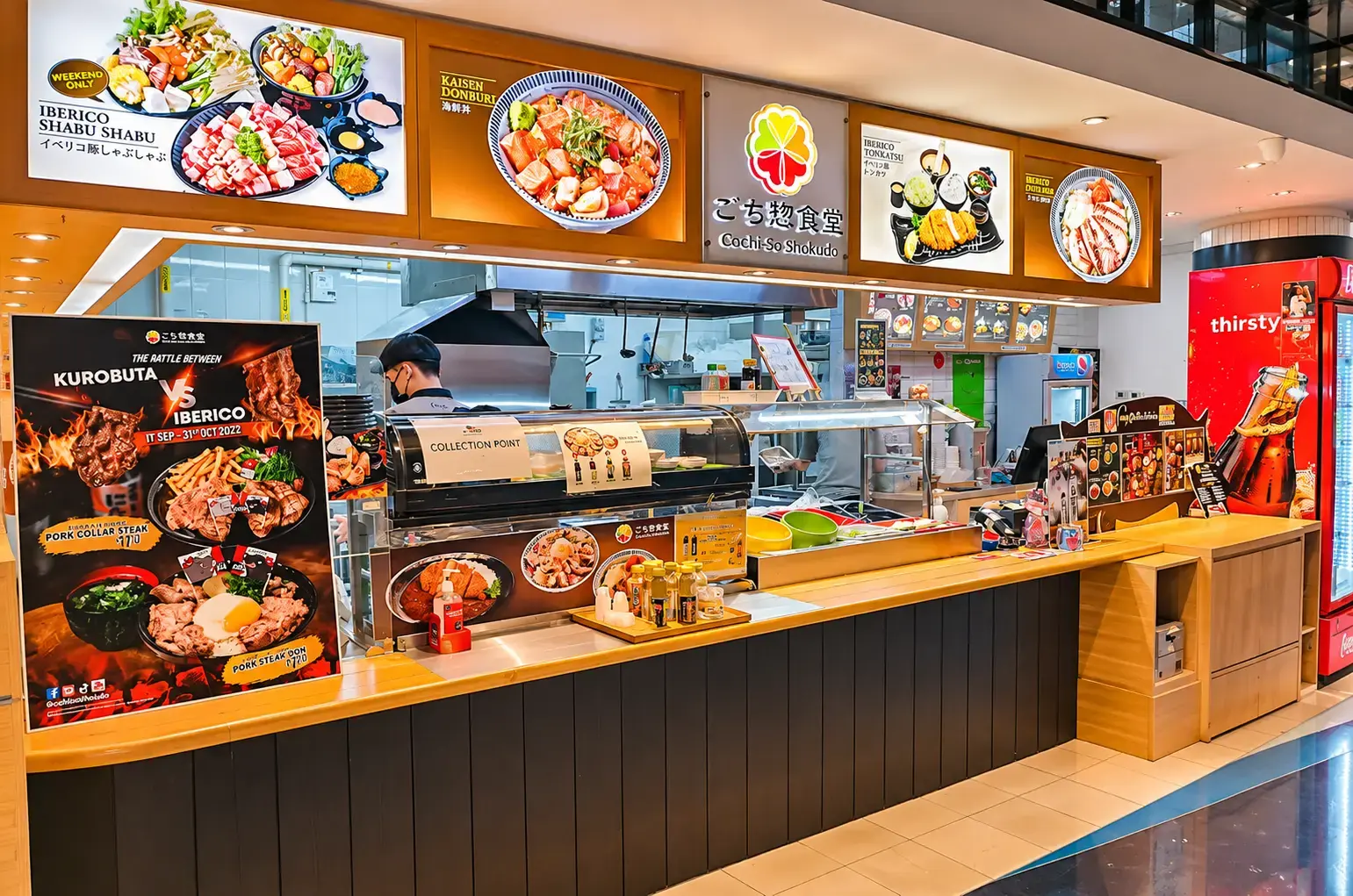
5. Gochi-So Shokudo (Raffles Place): Katsu Curry with Iberico and Bellota Pork
Location: Multiple outlets, including One Raffles Place
Nearest MRT and price range: Not listed in my sources.
Premium pork has slowly become part of the Japanese curry conversation here, whether people are looking for Iberico pork belly rice, grilled pork loin, or a better cutlet. Gochi-So Shokudo, known for Spanish Iberico pork, leans into that interest.
Its curry menu goes beyond one cut. Options include Mille Feuille Cheese Katsu Curry, Duroc Loin Katsu Curry, Chicken Katsu Curry and Hamburg Katsu Curry. Some menus also feature a bellota loin katsu curry, pairing a distinctive pork cut with curry and rice. Layered pork, loin, chicken or hamburg: each gives the rich curry sauce something different to hold.
This is curry in a proper restaurant setting, with a fuller dining experience than a counter or coffee shop offers. If you’re hunting for the cheapest plate, this isn’t it.
What It’s Best For: Katsu Curry with Premium Cuts
Diners who care as much about the pork cutlet as the sauce poured over it.
Why It Made the List
Gochi-So Shokudo treats the katsu seriously. The layered mille feuille, Duroc loin and Bellota options give its curry a quiet sense of craft.
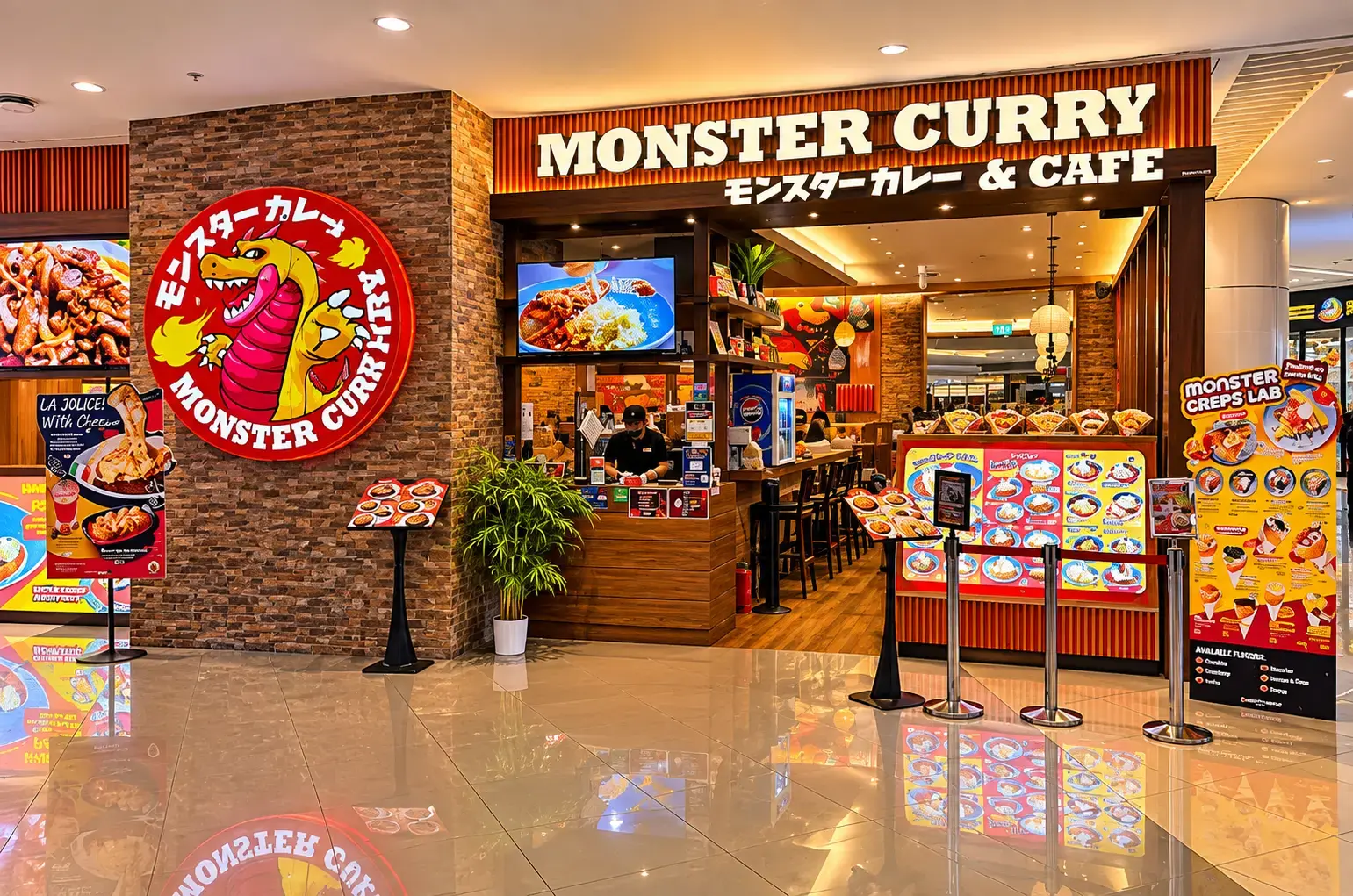
6. Monster Curry (Suntec City): Chicken Katsu, Fried Seafood and Big Plates
Nearest MRT: Promenade MRT, about 5 minutes’ walk
Price range: S$12 to S$20
Monster Curry’s tagline is “Challenging All Eaters,” and the plates make that clear. This is curry for appetite, not restraint. Its demi-glace curry has a slight sweetness and rich umami, with five spice levels, including a chilli padi option.
The monster combo curry is the full curry experience: rice with a crispy pork cutlet, fried fish fillet, crunchy shrimp tempura, omelette, mozzarella cheese and thick Japanese curry sauce, alongside teppanyaki beef or pork. It’s a generous plate of fried cutlets and juicy meats, best approached hungry or shared with someone else. The Chicken Katsu Curry is more manageable, with a crispy chicken cutlet and curry over fluffy rice.
It’s best approached hungry, or with someone willing to share. The Chicken Katsu Curry is more manageable, with a crispy chicken cutlet and curry over fluffy rice.
The menu also stretches into noodles, including Curry Ramen, a Pork Katsu & Curry Ramen Set, and Chicken Katsu Curry Udon. There’s even an overloaded curry burger series with pork cutlet and chicken katsu between fluffy buns. If you like an extra crunch, ebi prawn fry is another familiar style of topping to look for on Japanese curry menus. The menu also features sliced pork belly among its substantial toppings, while the tori karaage curry offers another way to enjoy fried chicken with curry.
It’s loud food, in a good way. If you want a polished, quiet room, you won’t find it here. One sensible habit is to choose a smaller rice portion and add toppings instead, so you get variety without waste.
What It’s Best For: Hot Curry and Big Appetites
Groups, sharers, and anyone who wants to test their spice tolerance.
Why It Made the List
Monster Curry knows exactly what craving it’s feeding. Adjustable heat, generous plates and noodle options give it a range most curry shops don’t attempt.
7. Maruhachi Donburi & Curry: Crispy Katsu in Neighbourhood Coffee Shops
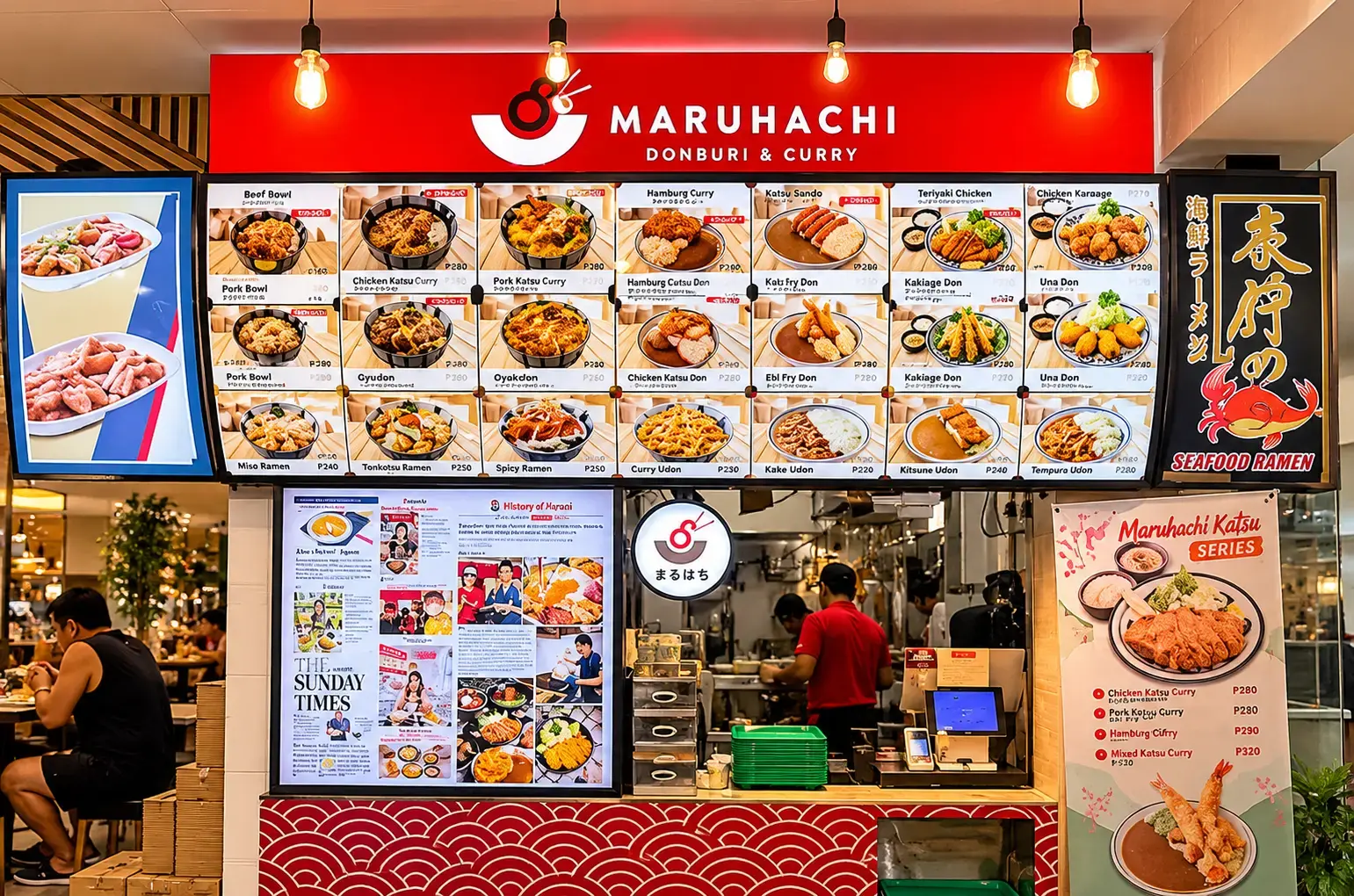
Price range: Around S$12 to S$16+, depending on outlet and dish
There’s something about Japanese curry in a coffee shop that feels right to me. No booking, no ceremony. Maruhachi Donburi & Curry is found in neighbourhood coffee shops and casual food courts, and that ease is the whole appeal.
The Pork Katsu Curry Rice is the benchmark. The tonkatsu is coated in fresh Japanese breadcrumbs and fried until crisp, producing a crispy katsu exterior around tender meat. It has the crunch of a well-made crispy pork cutlet, while the curry is thick enough to cling without drowning it. The plate comes with fluffy rice, making it a straightforward, satisfying meal.
Maruhachi’s Hokkaido white curry range includes creamy curry dishes such as white curry udon and chicken katsu white curry. The range offers a different take on its familiar pork katsu curry rice. The Seafood Curry is a lighter option when you’d rather skip fried pork. For donburi rather than curry, the signature pork katsu don pairs fried pork with rice and savoury sauce.
What It’s Best For: Fried Katsu in Everyday Coffee Shops
Budget-conscious lunches and unplanned curry cravings.
Why It Made the List
Maruhachi’s curry plates prove good Japanese curry doesn’t need a dining room. The pork fillet katsu curry and pork katsu curry rice are simple, filling and fairly priced, which is sometimes all a meal needs to be.
8. Yoshinoya Singapore (Multiple Outlets): An Affordable Classic Curry Rice
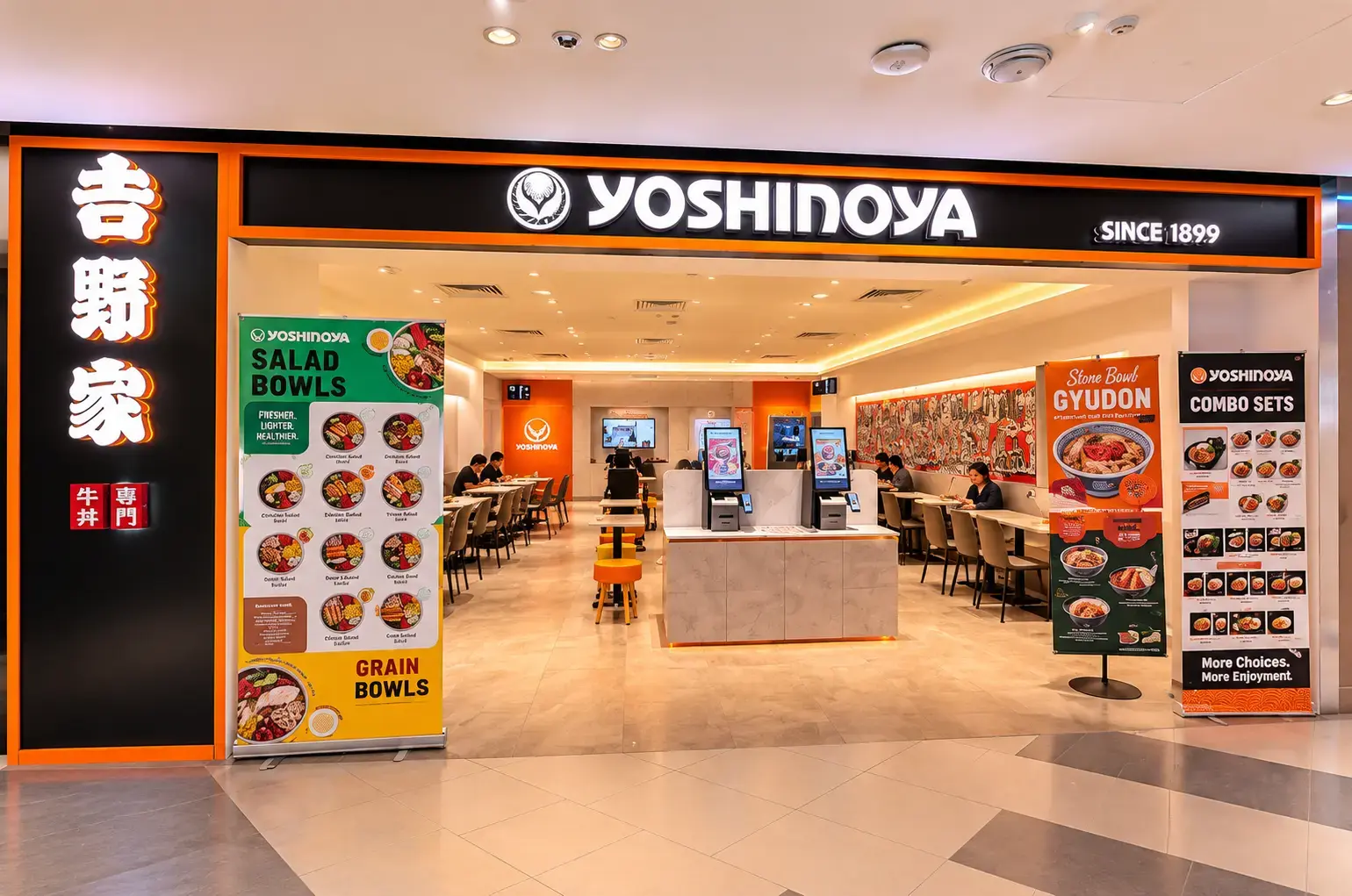
Signature: Karaage Curry Rice, S$8.90
I don’t usually think of Yoshinoya when I think of curry. Gyudon, yes. But the menu has a quiet curry section: Beef Curry Rice, Karaage Curry Rice, Ebi Curry Rice, and Beef & Karaage Curry Rice.
The Karaage Curry Rice gives you familiar Japanese curry rice with crispy chicken. It’s the most affordable listed price on this list. Ramen sits on the same menu too, including Shoyu Beef Ramen at S$9.50, so two cravings can be settled at one table. The Ebi Curry Rice is a useful option if you’d rather not default to chicken katsu every time.
It isn’t the most elaborate curry here. It doesn’t try to be.
What It’s Best For: An Affordable Curry Rice Without Overthinking
Quick meals, solo dining, or sharing curry and ramen with someone else.
Why It Made the List
Yoshinoya is the practical choice. When you want a simple, affordable Japanese curry and a satisfying meal, that’s often exactly what the day calls for.
Where to Find Hokkaido Soup Curry and a Lighter Curry Broth
The list leans toward thick, rice-friendly curry, but Japanese curry also includes soup curry. Hokkaido soup curry is a lighter style, built around an aromatic curry broth with vegetables and meat, rather than a thick roux poured over rice. In this format, steamed white rice or multigrain brown rice is served alongside the curry broth, so diners can alternate between sipping the soup and dipping the rice.
A vegetable curry bowl is another appealing way to explore this style, especially for diners who want a more produce-forward bowl. These broth-led dishes offer a different take on the Japanese curry tradition and a satisfying japanese curry experience without the weight of a heavily sauced plate. Check current local menus for availability and details before making a trip.
Where the Hunt Leaves Us
Looking back over these eight, what stays with me isn’t which one is best. It’s how many different moods one dish can carry.
Maji Curry’s dark, careful sauce. CoCo Ichibanya’s endless small choices. The calm of Japan Rail Cafe. Kuro Kare’s 36-hour black curry. Gochi-So Shokudo’s serious katsu. Monster Curry’s noise and heat. A coffee-shop plate from Maruhachi. A quick bowl at Yoshinoya.
The best Japanese curry in Singapore might simply be the one that fits the day you’re having. For a deep sauce, try Maji; for customizable curry dishes, CoCo; for crisp cutlets, Maruhachi; and for a lighter soup curry, look for a Hokkaido-style bowl. Start with whichever place sounds most like you right now. Then, when your mood changes, try another.
If you’d rather make your own curry at home, our guide on how to cook Japanese curry walks you through the process, from preparing the ingredients to getting the sauce just right