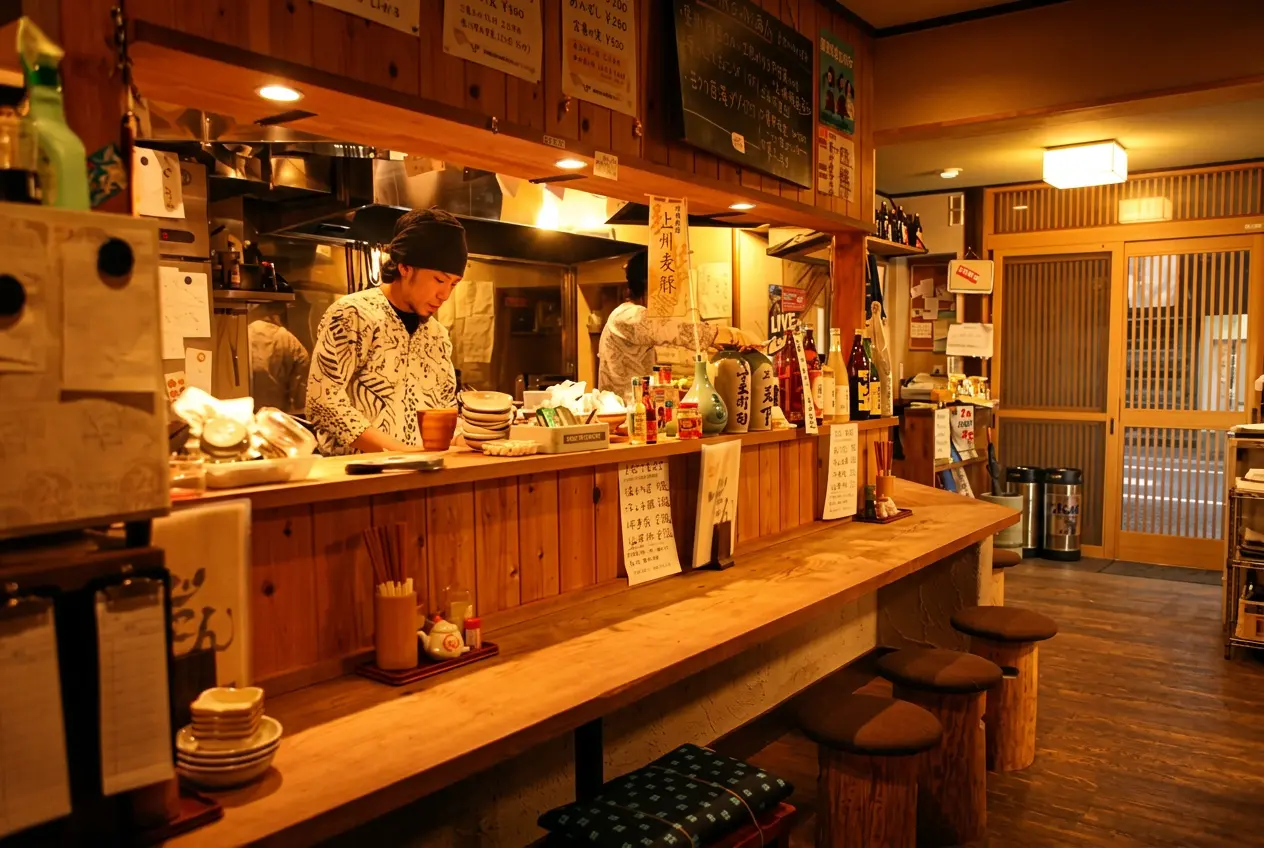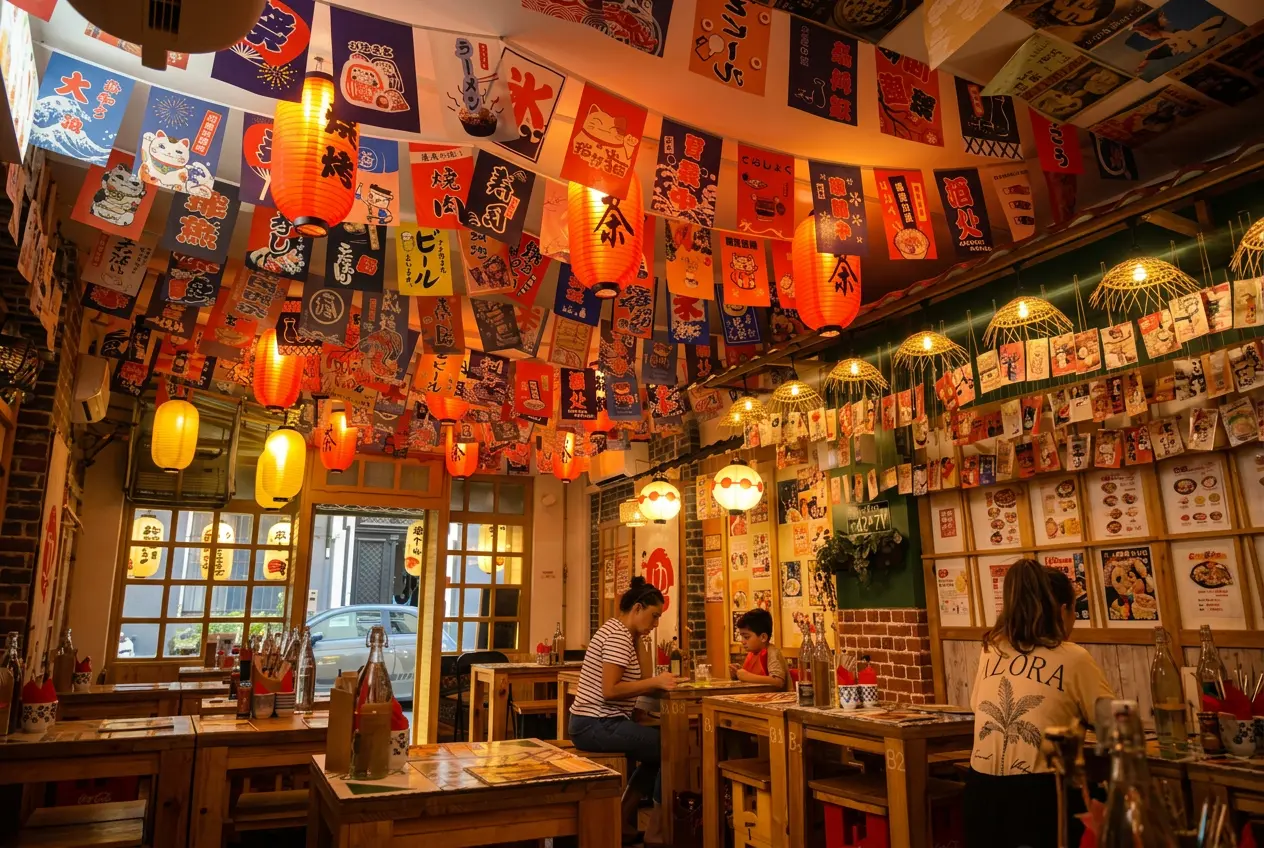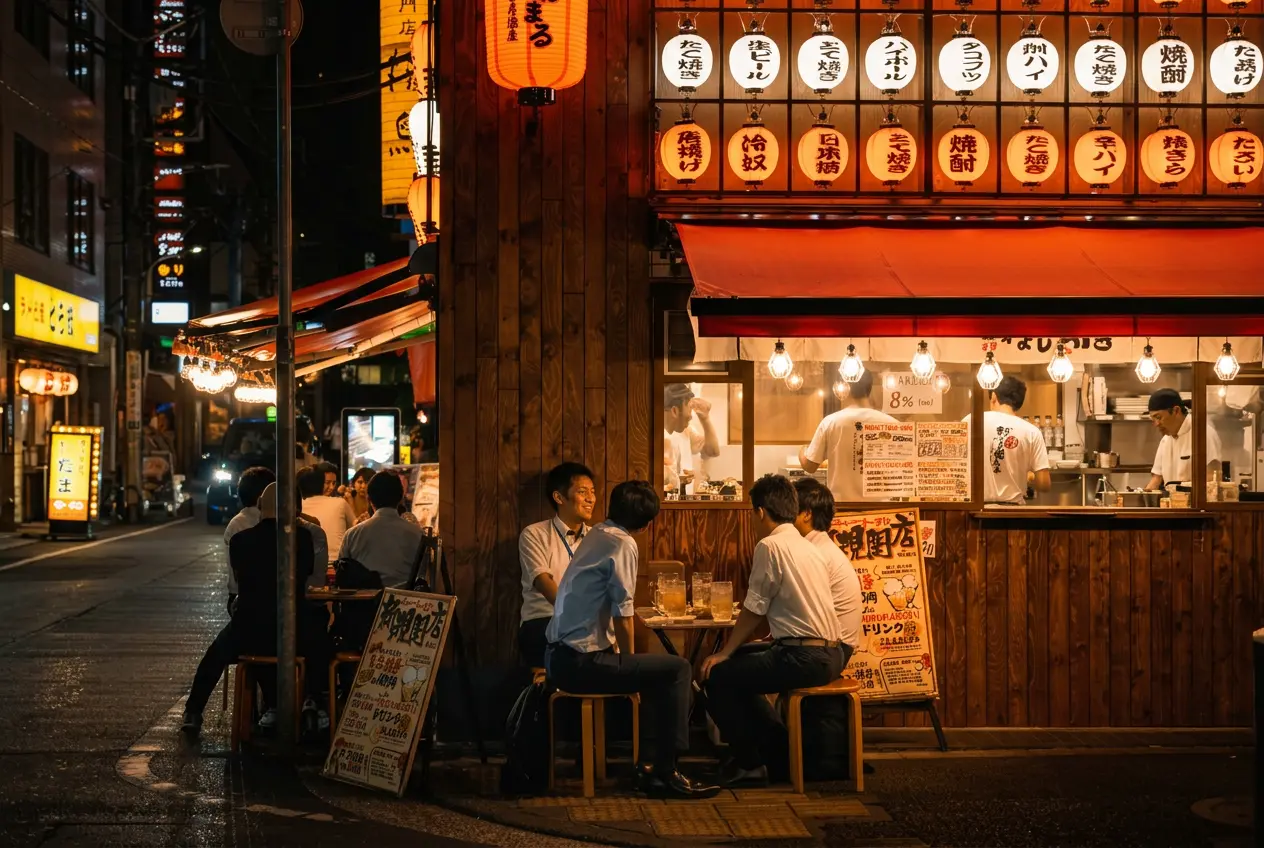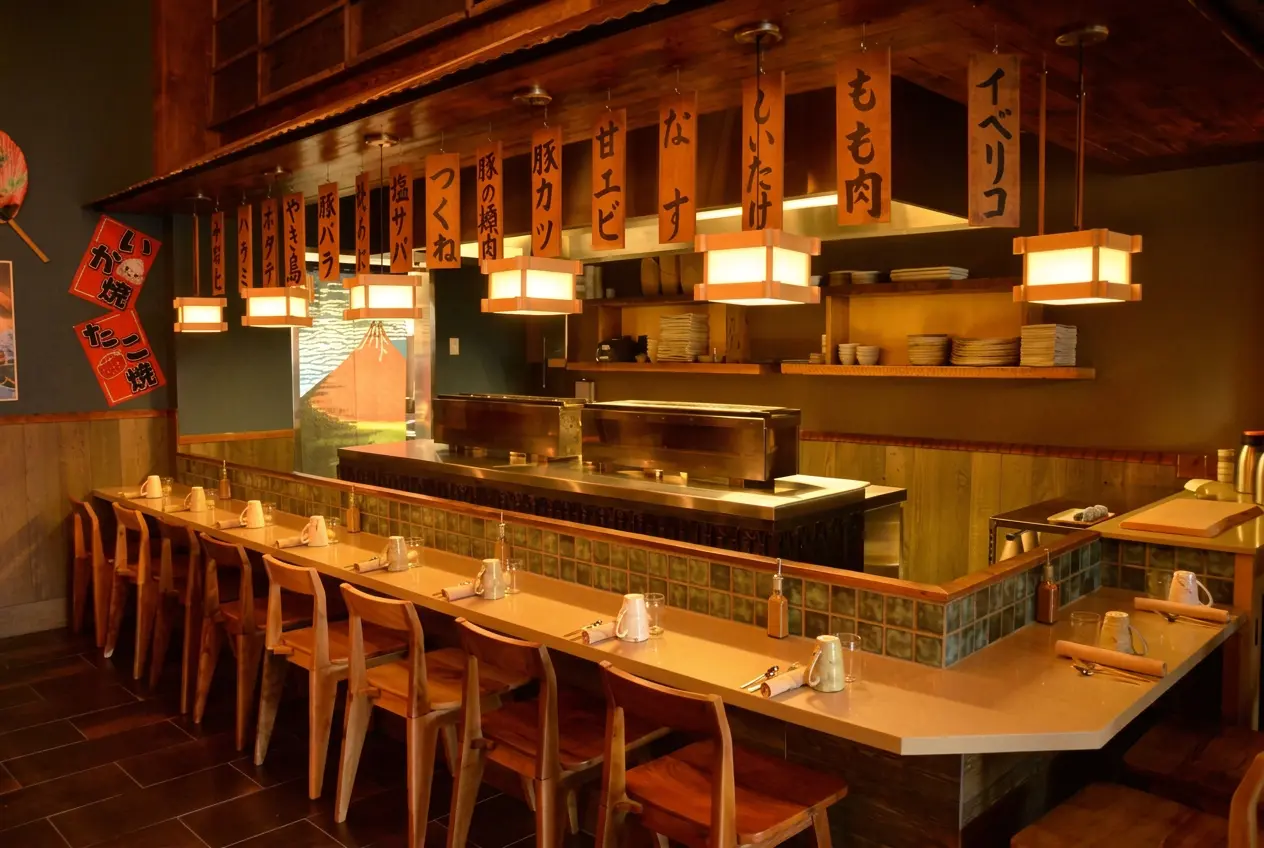
It was raining the way it only rains in Singapore in the late afternoon, sudden and sideways, the kind that sends everyone at the bus stop running into the nearest mall.
I ended up in a basement food court with wet shoes and no real plan. Then I heard it from the counter behind me: the soft crunch of a knife pressing through a breaded chicken cutlet, one slice after another. I didn’t need to look at the menu after that.
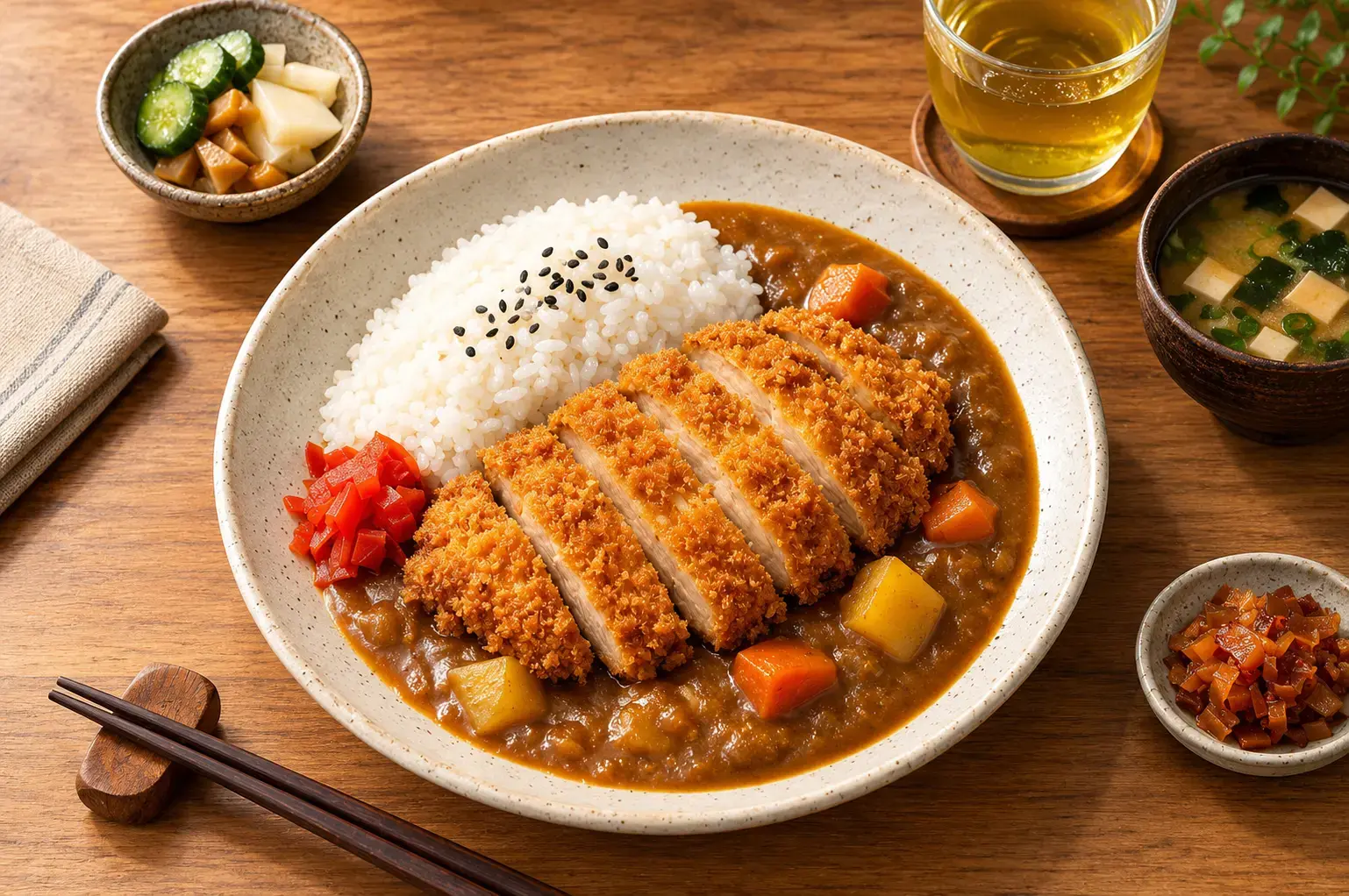
A plate of chicken katsu curry arrived a few minutes later. Cooked rice on one side, golden brown cutlet leaning against it, thick brown Japanese curry sauce pooled on the other side, a small heap of red pickles at the edge. It looked exactly like the plates I ate after school fifteen years ago. I think that was the point.
How Chicken Katsu Curry Recipe Found Its Way Into Our Malls
Most of us didn’t meet Japanese curry in Japan. We met it in malls.
For me, it was the weekend family lunch after grocery shopping, or the after-school meal with friends when we’d pooled enough pocket money to sit down somewhere with real plates. Japanese curry chains and food court stalls made the dish feel ordinary in the best way. You didn’t need to know anything about Japanese food to order it. You just pointed.
Back in Japan, katsu curry is simply Japanese curry with a crispy cutlet on top. At specialty curry restaurants there, katsu is one of many toppings you can choose for your curry rice. In Japanese, katsu means a cutlet coated in panko breadcrumbs and fried in a frying pan, and curry rice is called karē raisu.
Somewhere between there and here, the topping became the headline. In Singapore, I’ve rarely heard anyone order “curry rice.” We order chicken katsu curry, and we say it like the name of an old friend.
What Makes Chicken Katsu Curry Recipe Taste Like Comfort
I’ve spent a lot of lunches trying to work out why a chicken katsu curry feels so familiar to a Singaporean palate. I keep coming back to three things.
There’s the cooked rice, first of all. We are a rice-first country. A meal without it often feels like a snack pretending to be lunch. Japanese curry is served with short-grain rice that’s slightly sticky, which holds the Japanese curry sauce instead of letting it run off.
Then there’s the breaded chicken cutlet. Chicken breasts pounded flat, seasoned with salt and pepper, dipped in flour, then a beaten egg wash, and finally coated in panko breadcrumbs, then fried in vegetable oil in a frying pan over medium heat until crispy. It’s a simple process, and you can taste the simplicity.
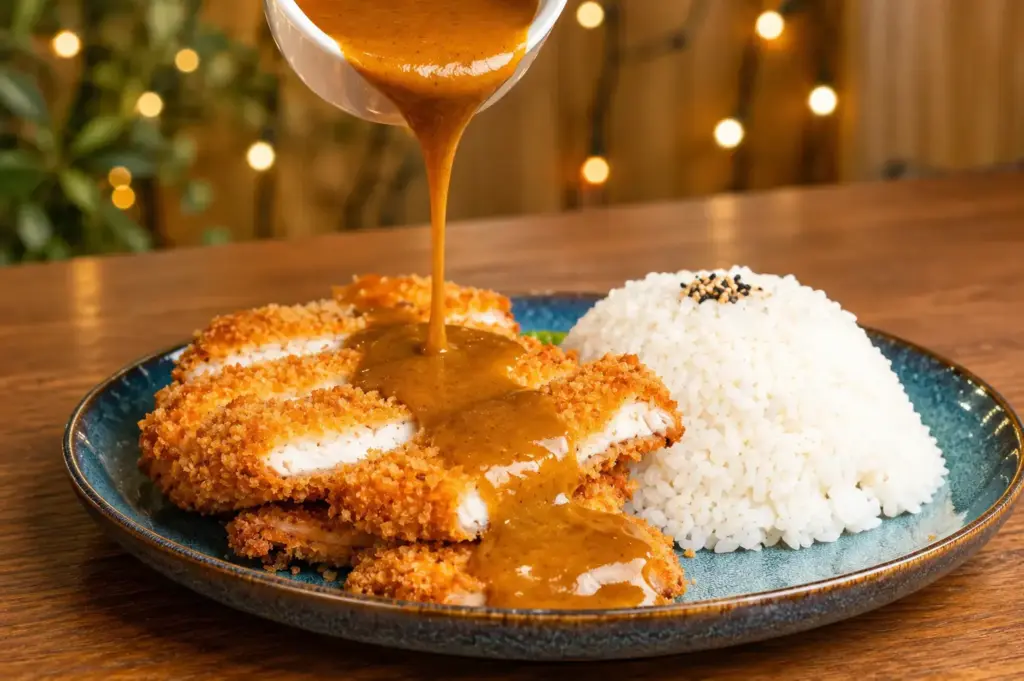
And finally, there’s the sauce. Mild, a little sweet, thick enough to coat a spoon. It doesn’t fight the rice or the meat. It just brings them together.
None of these are surprising on their own. Together, they’re a plate that asks nothing of you.
Fried Chicken, Rice, and the Singaporean Plate
Think about what we already reach for when we’re tired. Chicken rice. Nasi lemak with a piece of fried chicken wing on the side. Wanton mee with crispy fried dumplings. There’s a pattern here, and it usually involves cooked rice or noodles, some fried chicken or meat, and a sauce or sambal that ties it all together.
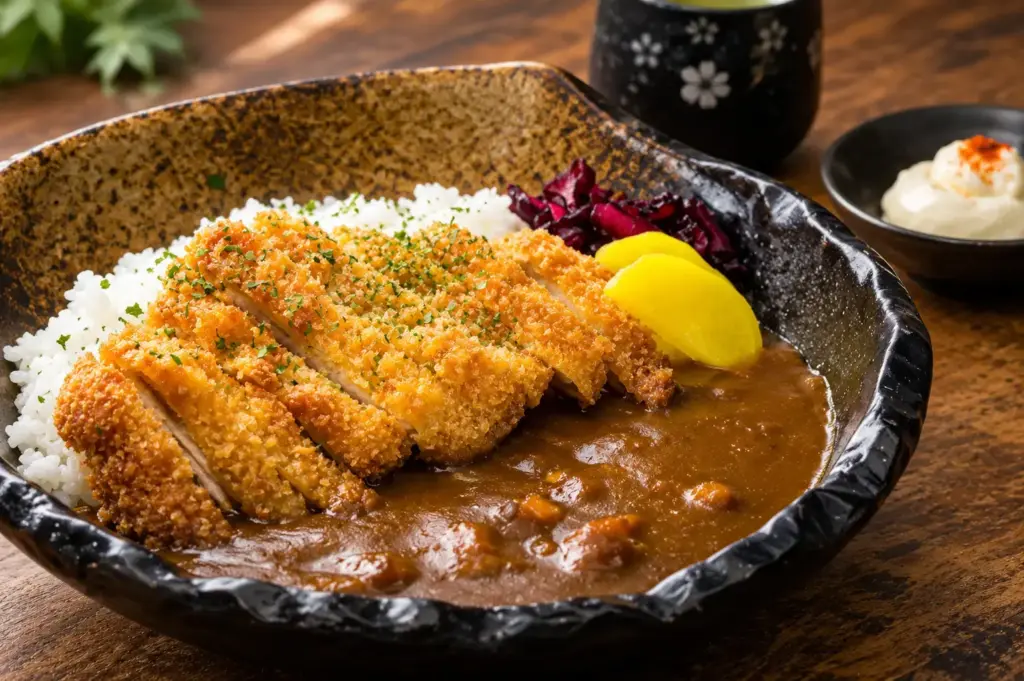
Chicken katsu curry slots into that pattern almost too neatly. The fried cutlet does what the ayam goreng does in nasi lemak. The katsu sauce does what the chili and dark soy do for chicken rice. It speaks a grammar we already know, just with a different accent.
I think that’s why it never felt foreign to me, even as a kid. It felt like a cousin of things I already loved.
The Curry Sauce That Doesn't Shout
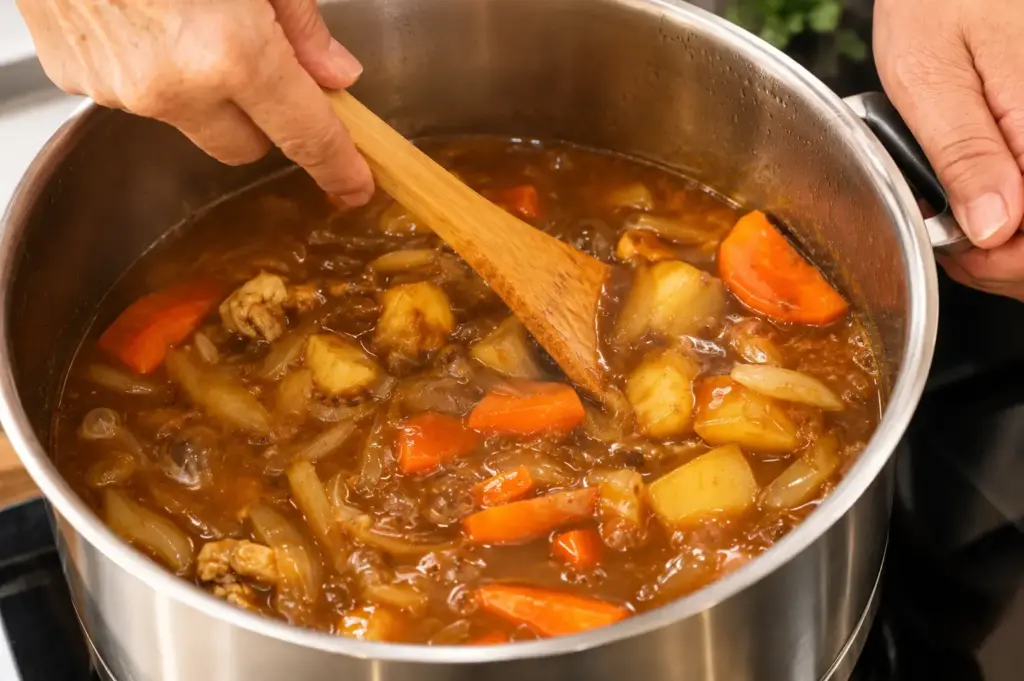
The first time I really paid attention to Japanese curry sauce, I was in my early twenties, eating at three different chains in the same month and noticing they didn’t taste the same. One was sweeter. One was darker and a bit spicier. One had chunks of carrots and potato; another was completely smooth.
That curiosity led me to the roux. Most Japanese households don’t make curry from scratch. They use a store-bought block of curry roux, break it into pieces, and stir it into a pan of sautéed onion, garlic and ginger, add carrots and potatoes simmered in water. When someone in Japan says they’re having curry tonight, this is usually what they mean.
The most popular brand there is House Vermont Curry. It contains apple and honey to soften the spice so that even small children can eat it. That’s where those distinctive fruity notes come from, the gentle sweetness I tasted as a kid without knowing why.
The name has a story of its own. “Vermont” was borrowed from the American state, which was known for a folk remedy of apple cider vinegar and honey. When House Foods ran its first TV commercial, that remedy was popular, so the name stuck.
S&B is the other name you’ll often see on supermarket shelves. Home cooks who want more control sometimes build the sauce up with chicken stock, grated apple, 2 tbsp soy sauce, a little honey, ketchup, and black pepper. I’ve also seen people stir in a splash of Worcestershire sauce for depth, which makes sense once you know how close the flavors sit.
Thicker Than You'd Expect
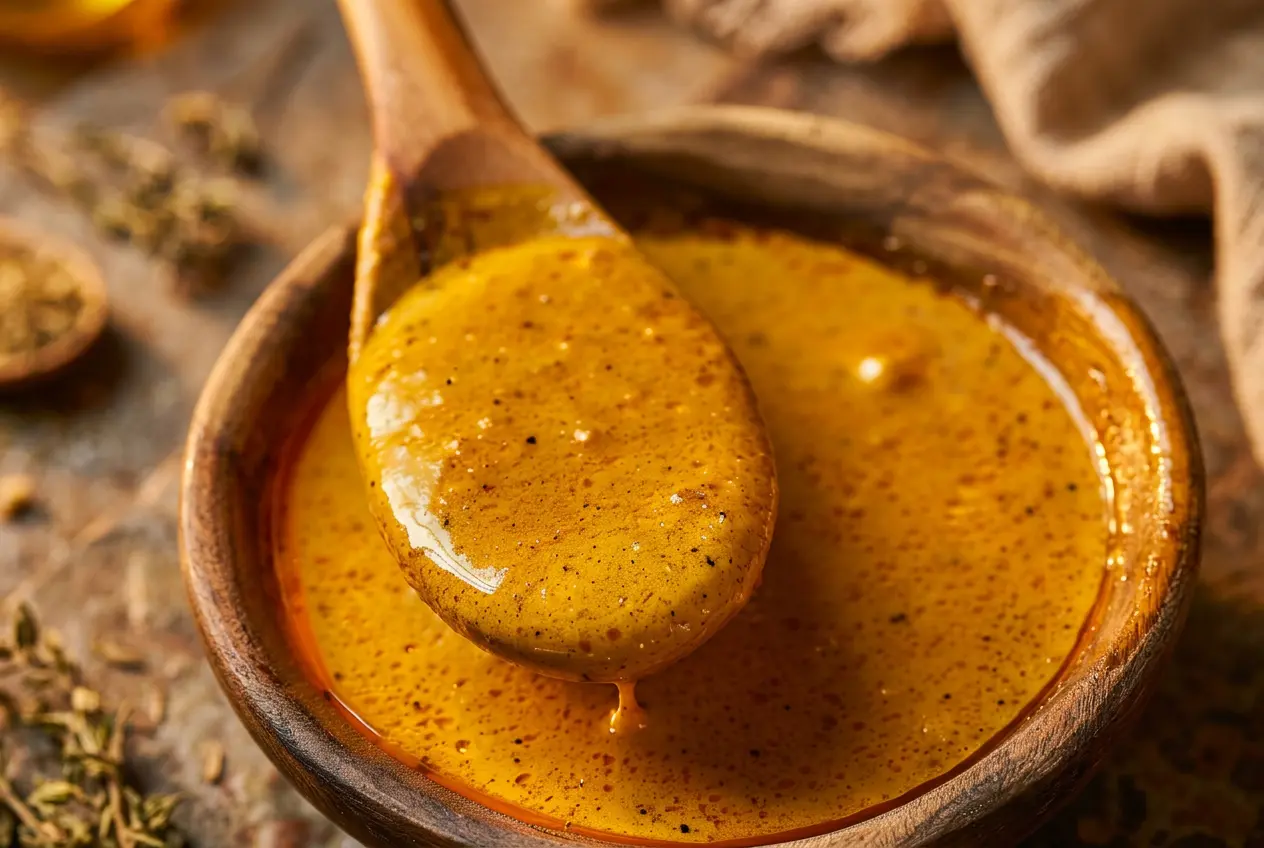
What surprises most people is the texture. Japanese curry is thicker than most curries in the world, closer to béchamel than to a soup. It sits on the plate instead of soaking straight into the rice.
Restaurants often serve chicken katsu curry with a plain sauce, nothing floating in it at all, so the breaded chicken cutlet stays the hero. Once I learned that, I understood why my favorite food court version had never bothered with vegetables. It wasn’t cutting corners. It was making room.
Curry Powder, Curry Paste, and Two Different Ideas of Curry
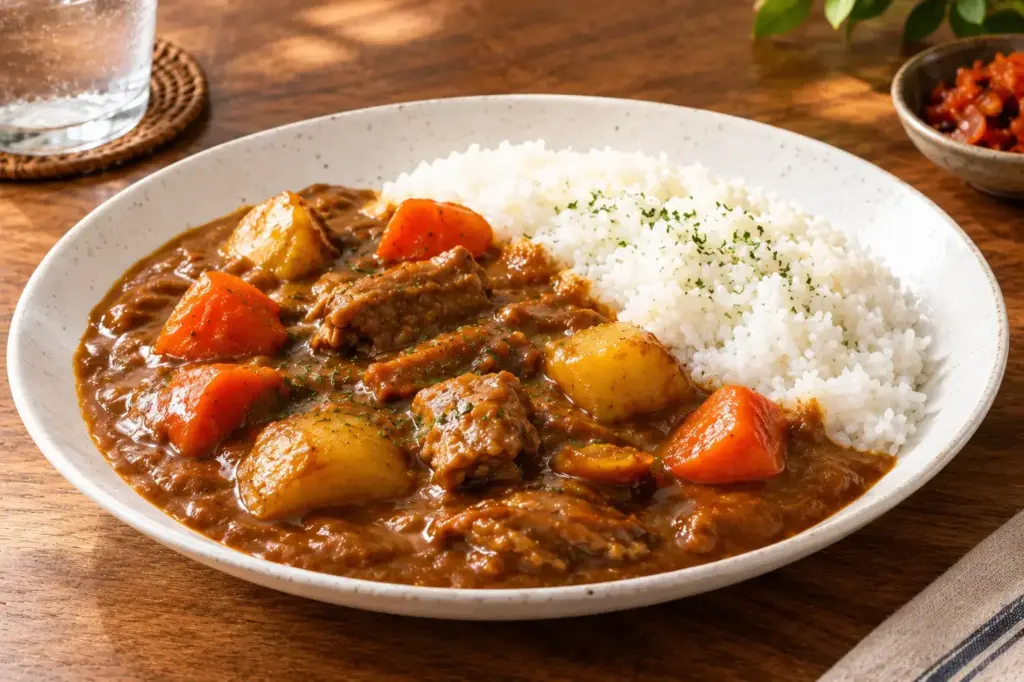
Growing up in Singapore, “curry” meant something else first. It meant fish head curry, chicken curry with potatoes at a Chinese New Year reunion, or the curry puff from the bakery near the MRT station. Those curries start from rempah or curry paste, often loosened with coconut milk, and they carry real heat.
Japanese curry comes from a different direction. A homemade roux is built from Japanese curry powder, garam masala, flour, and butter, cooked together over low heat until it smells toasty. The result is rounder and gentler. No coconut milk, no chili oil sitting on top.
I don’t think one replaces the other. We just have room for both. Some nights you want the curry that makes you sweat. Other nights you want the one that feels like a blanket.
Japanese Curry as Home Cooking, Wherever Home Is
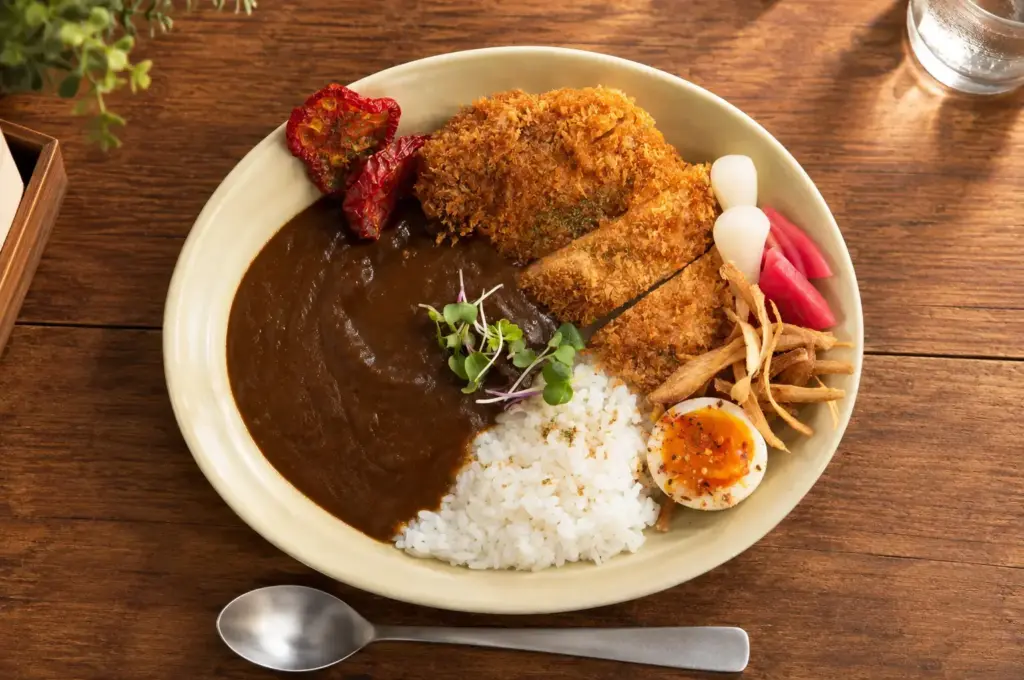
In Japan, curry rice is often called the national home-cooking dish. I like knowing that. It means the plate I ate in a mall food court in Tampines has roots in someone’s family kitchen, the same way our chicken rice does.
There’s a small detail I love from Japanese home cooks: curry tastes better the next day. Many make it the night before, then reheat it gently while they fry the chicken pieces fresh. The cutlet should be hot and crunchy. The sauce can wait.
That rhythm is very familiar. My mother did the same with her chicken curry, always insisting the second day was better. Different kitchens, same instinct.
The plate is traditionally finished with fukujinzuke, red pickled vegetables served on the side. Some versions add half a hard-boiled egg. As a kid, I always pushed the pickles aside. Now I ask for extra. They cut through the richness in a way I didn’t appreciate at twelve.
Pork Katsu Curry and the Orders We Grow Into
My orders have changed over the years, and I suspect yours have too.
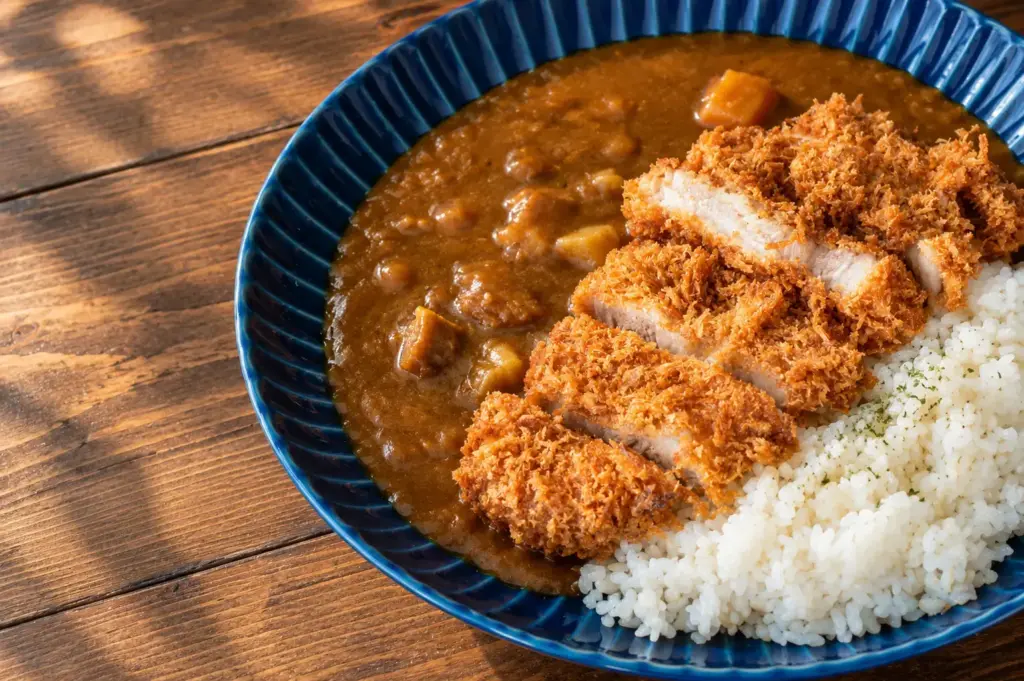
At first it was always chicken katsu curry, the safe choice and the one everyone at the table could share. Later, with my first paycheque, I treated myself to a pork katsu curry at a sit-down place in town. The pork katsu was thicker, juicier, with a little ribbon of fat along the edge that turned crisp in the frying pan over medium high heat. It felt like a grown-up decision.
The choices go well beyond those two. In Japan, people top their curry with menchi katsu (a minced meat cutlet), ham katsu, fried shrimp, or white fish. Some cooks bake the cutlet instead of frying it, using just a little oil. The format is forgiving. It welcomes whatever you bring to it.
A few small details I’ve learned to watch for:
A cutlet that stays crisp: good places slice the chicken diagonally just before serving and rest it on a wire rack or kitchen paper, never stacked wet.
Sauce on the side, not on top: the curry should pool beside the cutlet so the panko keeps its crunch.
Rice that holds its shape: slightly sticky, never mushy.
None of this is a rule. It’s just what I notice now, the way you start to notice things about anyone you’ve known for a long time.
Good Food Doesn't Have to Be Loud
Chicken katsu curry will probably never trend. It isn’t rare or difficult or photogenic in the way people chase online. It’s a heavy plate, honestly. One serving can carry a fair amount of saturated fat, and I’ve walked out of more than one lunch needing a long walk back to the office.
But good food isn’t always about surprise. Sometimes it’s about knowing exactly what you’ll get, and getting it. A crunch. A spoonful of sauce. Cooked rice underneath. That same plate on a wet afternoon, years after you first ordered it.
That rainy day in the basement food court, I finished every grain. Outside, the rain had stopped. My shoes were still wet. I didn’t mind.
So here’s my small invitation. The next time the sky opens up, skip the delivery app and walk into the nearest mall. Find the counter where you hear a knife going through a breaded chicken cutlet, and order the chicken katsu curry recipe you used to get. Or try the one you’ve always walked past, you might just discover the best Japanese curry that brings back those comforting memories.
Then tell us your comfort order. Chicken or pork, extra sauce or extra pickles, which mall, which year. We’d love to know where your plate lives in your memory.