Most of the attention in a meal goes to the beginning. The first spoonful. The first look at the plate. The moment the rice is still steaming and the sauce sits exactly where it was poured.
I’ve started to think the end deserves the same care.
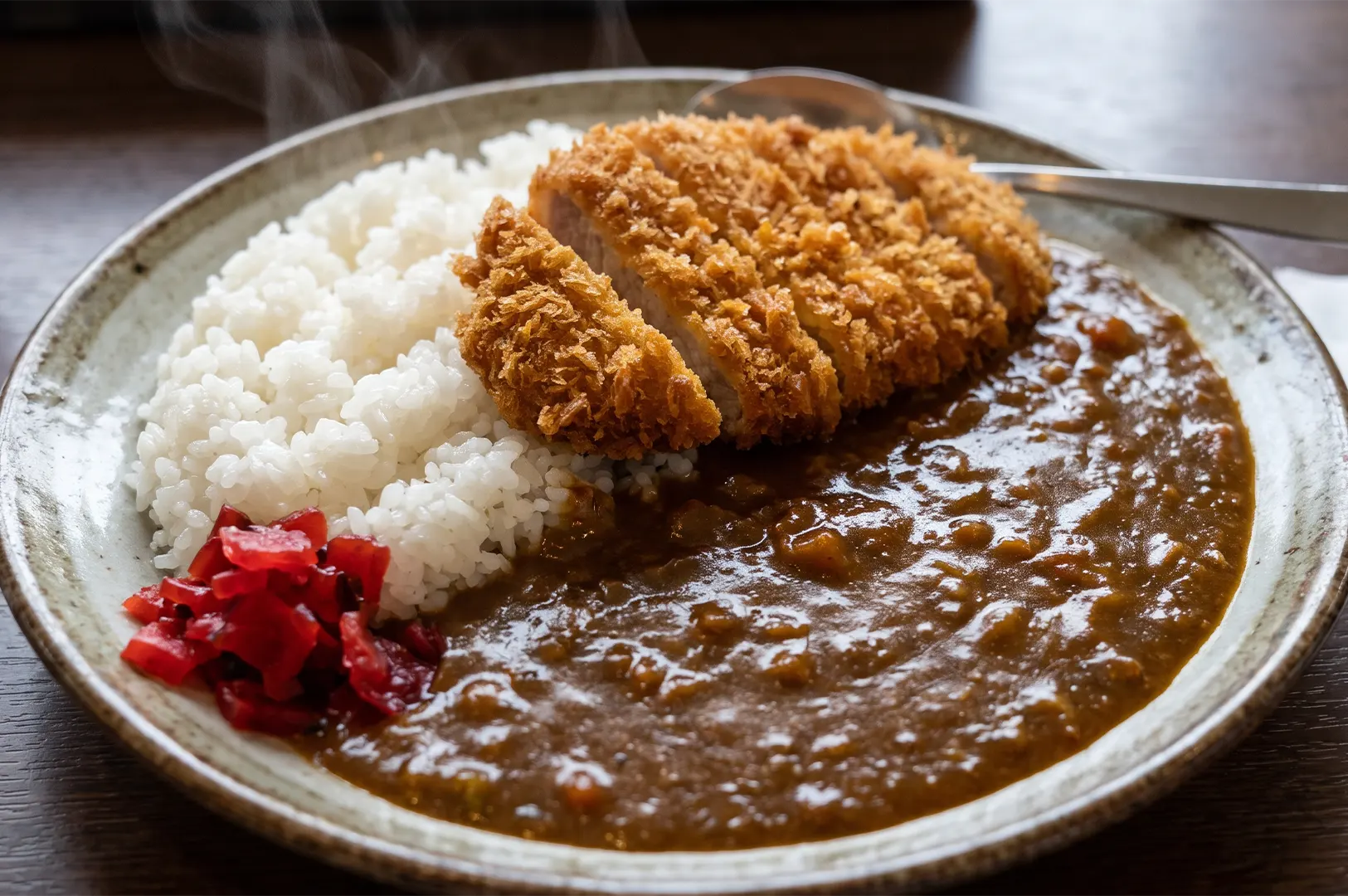
Japanese curry changes as you eat it. The sauce is thick to begin with, and it slowly settles. The rice underneath takes on a little more of it with every minute. If there’s a cutlet, the panko gradually loses its crunch. By the last few spoonfuls, the plate is no longer quite the one that arrived.
That’s part of why the final bite interests me. It’s the version of the meal you made yourself.
Every small choice shows up there. How much sauce you held back. Whether you saved a slice of katsu or finished it early. Whether the pickles stayed at the edge or found their way in. The last bite is a quiet record of how you ate, and I find something honest in that.
There’s another difference, too.
The first bite usually carries expectation. You’re checking whether the plate matches what you hoped for, whether the sauce is sweeter or darker than you remembered. The last bite carries less pressure. You already know the meal. You aren’t judging it anymore. You’re simply finishing it.
I think that’s where food begins to turn into memory.
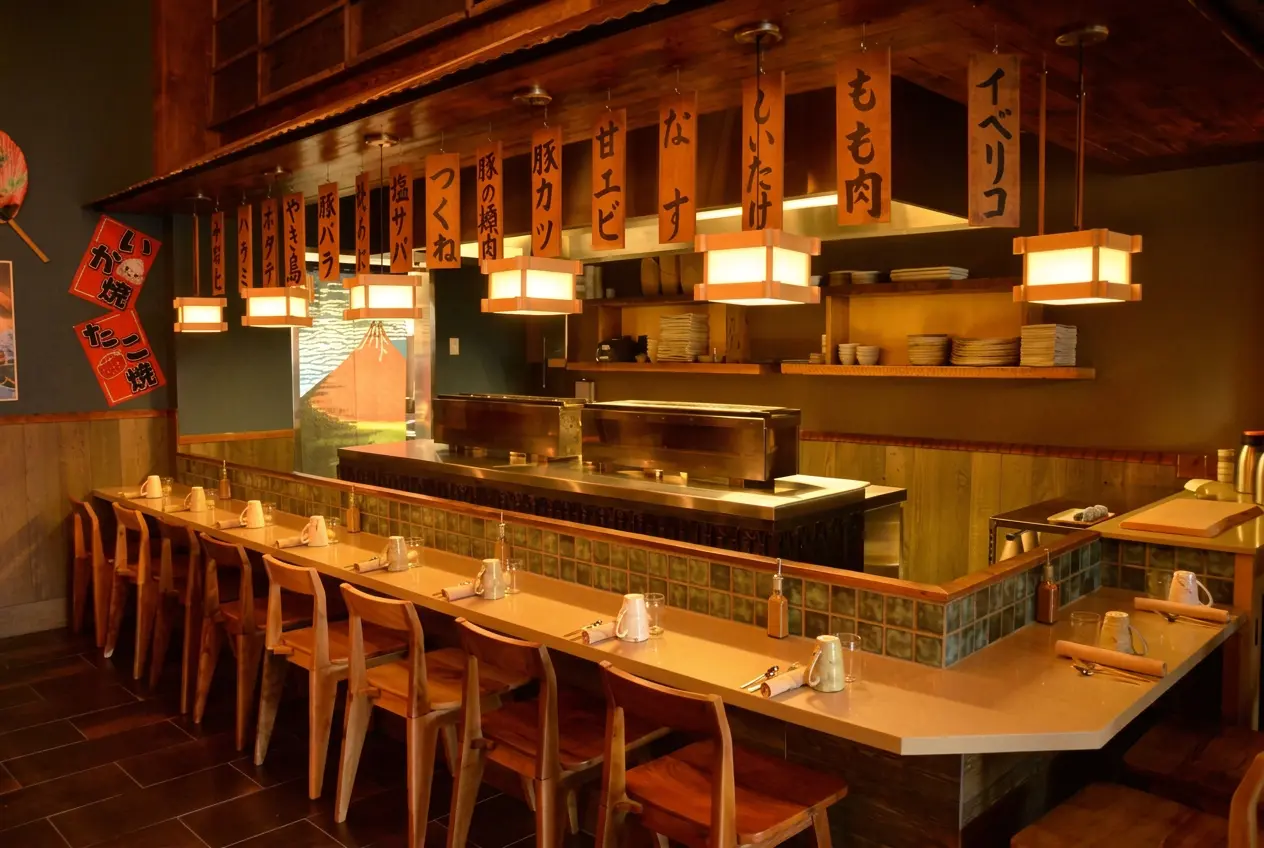
Japanese curry was part of ordinary life for me, the kind of meal that belonged to mall lunches, family tables, and afternoons after school. When I think about food like that, I don’t believe it’s the openings that stay with us. It’s the sense of a meal coming to a close. The spoon slowing down. The plate nearly clear. The small, unspoken decision that this one is the last.
A first bite tells you what a dish is. A last bite tells you what it was like to sit with it.
Maybe that’s why I’d rather not rush the end. The final spoonful of curry and rice doesn’t need to be the best one. It just needs to be noticed, because it’s the one you carry out the door.