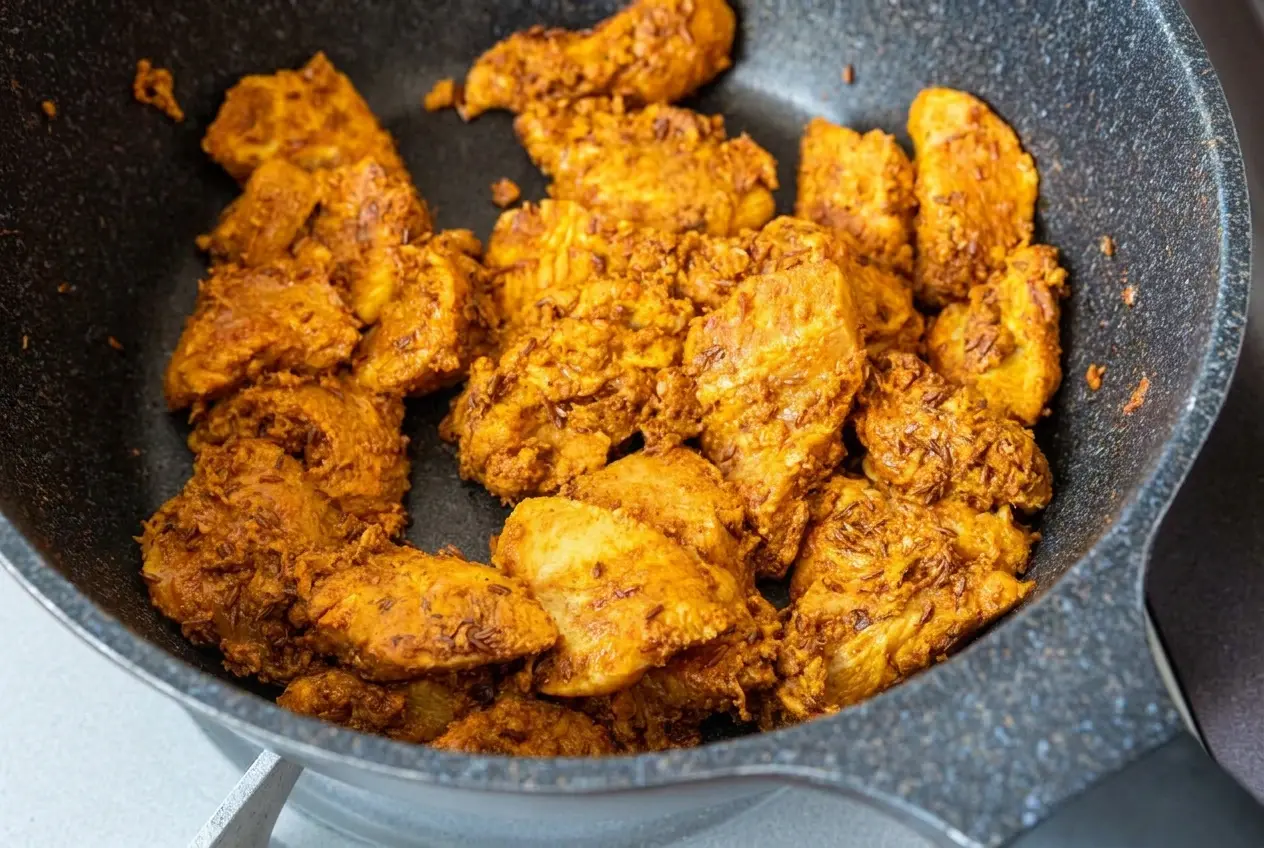
There is a point, near the end of cooking a dry curry chicken dish, when the pan goes quiet.
The bubbling slows. The liquid that was there a few minutes ago has disappeared, and what’s left clings to the chicken pieces instead of pooling around them. The spoon drags a little. The smell sharpens.
I think that quiet moment explains the whole dish.
Most of us in Singapore grow up thinking of curry as something you ladle. Something with thick gravy or curry sauce, poured over rice until the grains turn gold. Dry curry asks you to let go of that idea, and I’ve found it’s worth understanding why. It’s a different way of thinking about spice: less about the sauce, more about what the sauce leaves behind.
This delicious recipe walks through what dry curry is, where the Japanese version comes from, and how to cook one at home without the usual stumbles.
What Is Dry Curry Chicken?
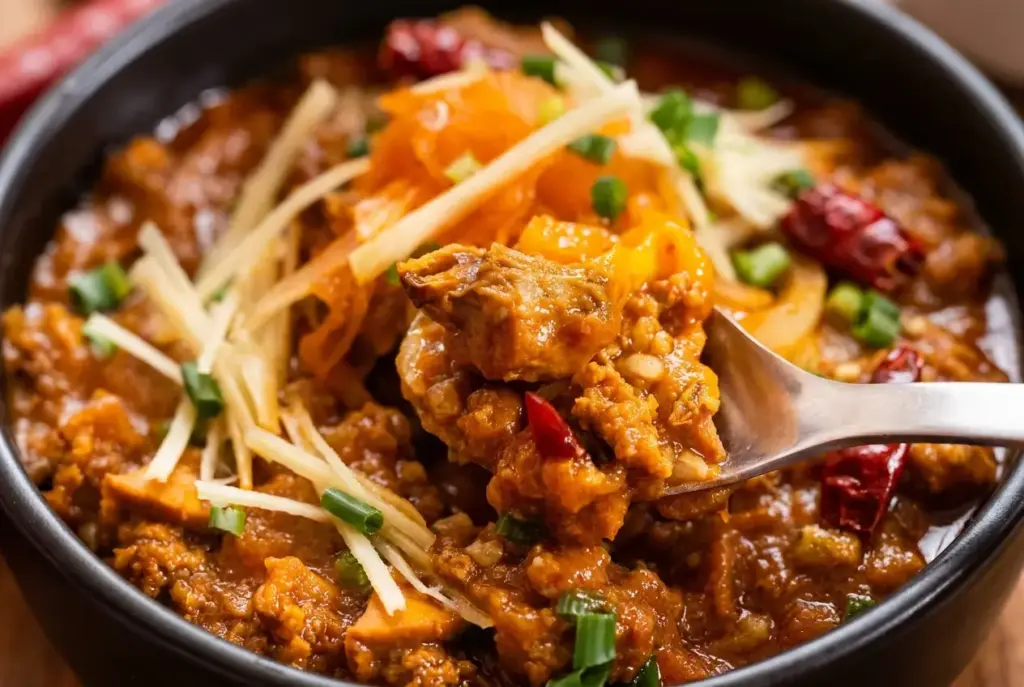
At its simplest, a dry curry chicken recipe is a curry dish made with little or no liquid.
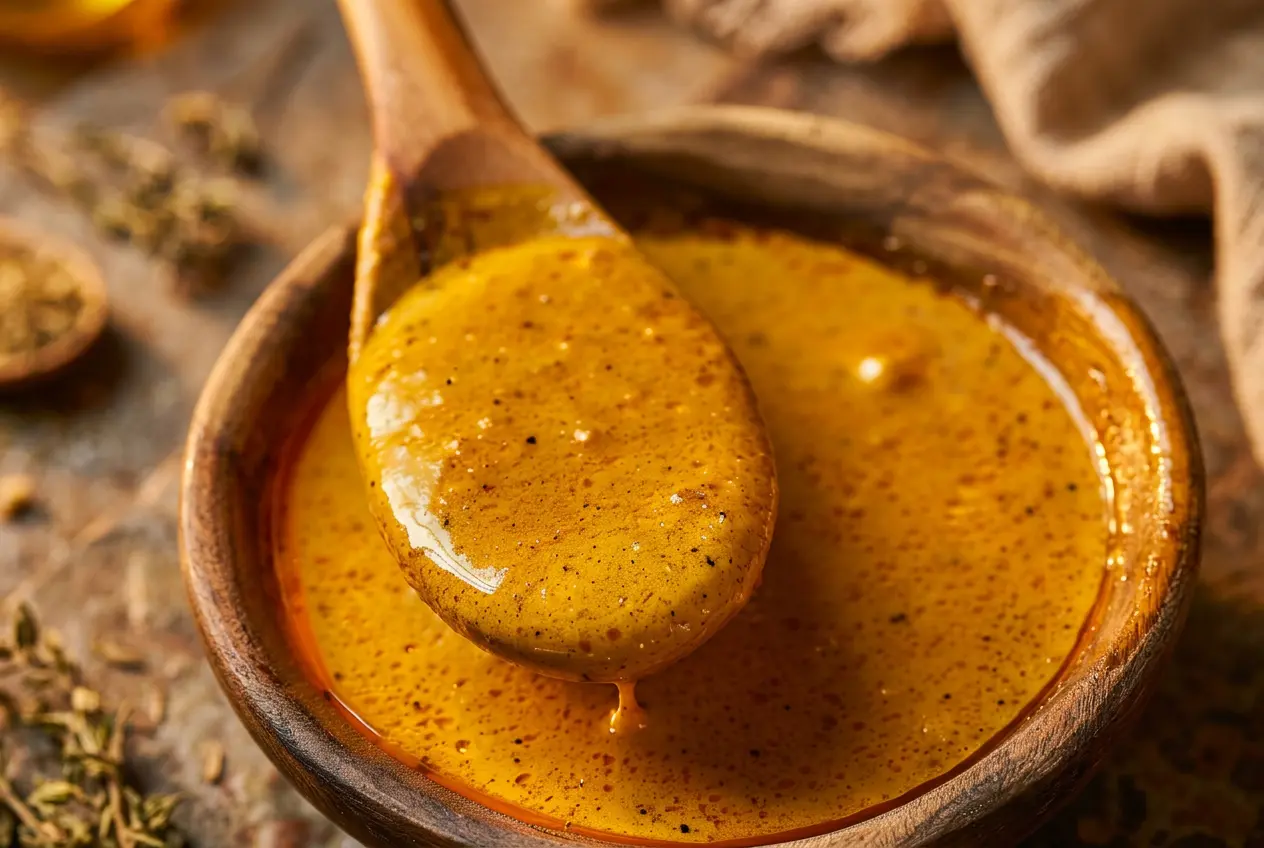
A wet curry is built around its sauce. Coconut milk, cream or yogurt give it body, and that gravy often feels like the main event. A dry curry uses far less of these. If there’s any sauce at all, it’s thick, closer to what you’d find coating a stir fry than anything you’d spoon up on its own.
What the two styles share is the goal. In both, the spices should reach into the meat or vegetables. In a dry curry, that happens as the liquid evaporates. The spices stay behind and settle onto every piece, so each bite carries the full flavor rather than relying on gravy to deliver it.
Dry Curry vs Keema Curry
This is where many people, understandably, get confused.
Keema curry refers to curry made with minced meat. It can be soupy or dry. Dry curry, on the other hand, describes any curry with little to no water, whatever the ingredients.
So the two overlap. A dry curry made with minced meat could also be called keema, and a keema with almost no liquid could be called dry curry. In Japanese home cooking, dry curry tends to use fewer ingredients. I find it easiest to remember this way: keema is about what’s in it, dry curry is about how wet it is.
Indian Chicken and Japanese Dry Curry
The Japanese Version
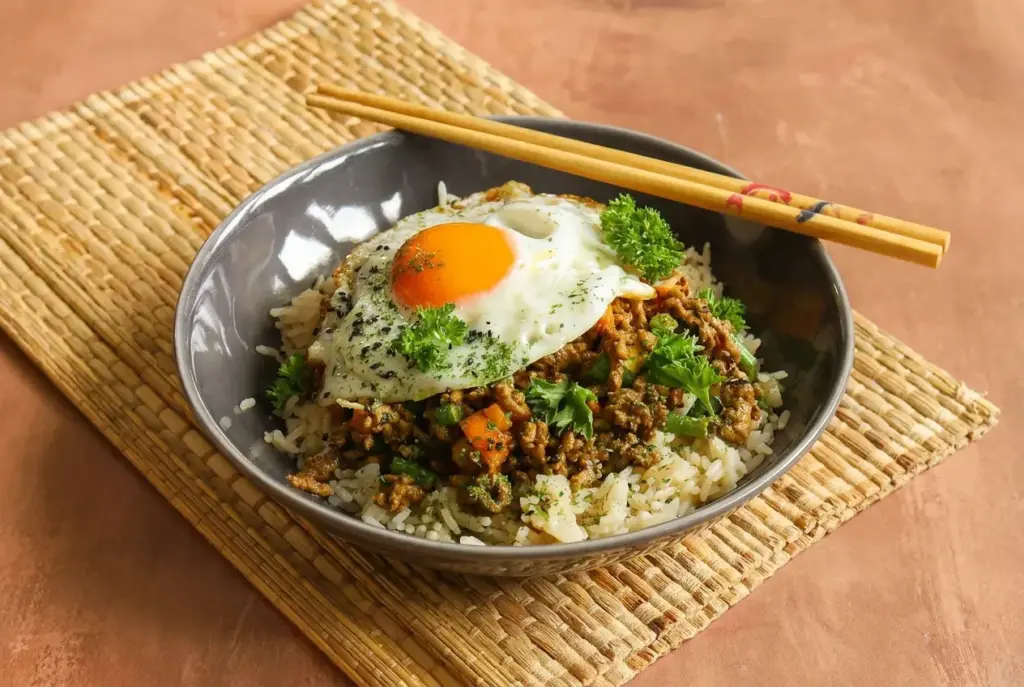
Japanese dry curry has a gentle, homely history. It took inspiration from Indian chicken curry and became a familiar dish in kissaten, the old-style Japanese coffee shops. It’s also a long-standing home-cooked meal in Japan, even if it’s less known overseas than classic Japanese curry rice.
The Japanese style usually starts with minced meat (pork, beef or chicken) and finely chopped vegetables like onion and carrot. Curry powder brings the spice. Some recipes add a small piece of Japanese curry roux, bouillon and Worcestershire sauce for depth. Others include tomatoes, a handful of raisins for sweetness, or minced celery, green pepper and peas.
It’s served over jeera rice, or sometimes mixed with rice in the pan like fried rice. Toppings might be cheese, parsley or chopped hard-boiled egg. Because it isn’t soupy, it travels well in a lunchbox, which I think makes it quietly practical for a packed office lunch.
Indian-Style Dry Curries and Chicken Sukka
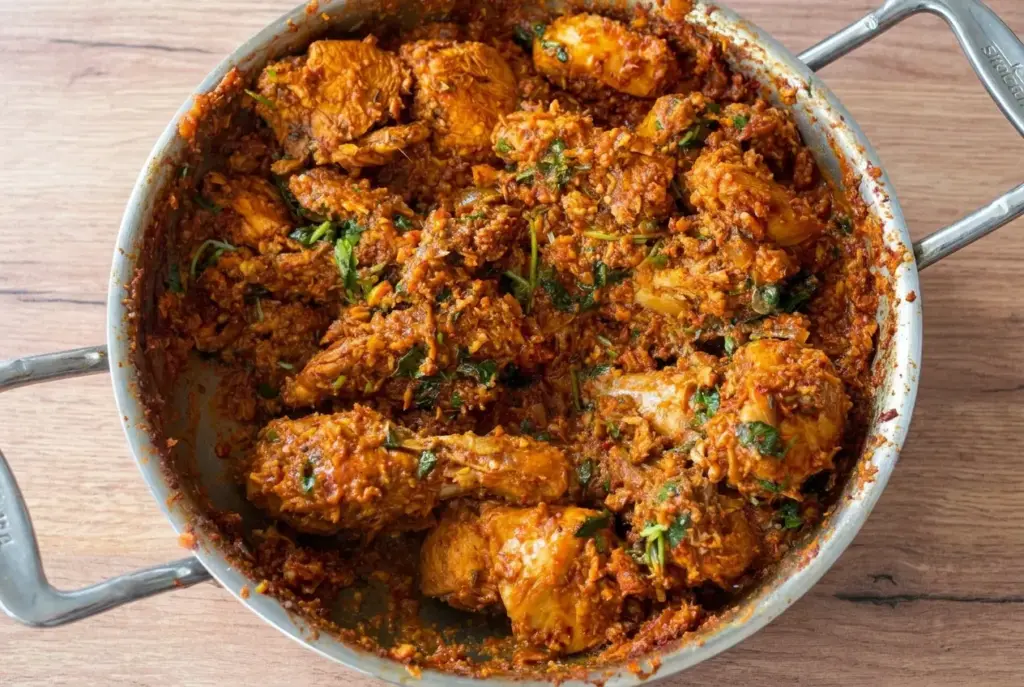
Dry curries have a much broader life beyond Japan. In Indian cooking, they can stand alone as a main or a side, without needing rice at all. Turmeric-coated cauliflower and peas, peppery chicken from the south, okra seasoned with tangy mango powder, potatoes and green beans tossed with cumin seeds, chili powder, turmeric powder and garam masala: these are all dry curries in spirit.
The difference I notice is in the pieces. Japanese dry curry leans on minced meat and tiny vegetables, so it comes together fast. Indian-style dry curries often use larger pieces, such as bone in chicken or cut chicken, which need more patience and longer cook time.
Chicken sukka, also known as chicken chukka, is a spicy dry Indian chicken curry. It involves slow cooked marinated chicken pieces coated in a thick sauce made from ground spices, whole spices, coriander powder, fenugreek seeds, cumin seeds, and a smooth paste of onion, garlic and grated coconut.
Key Ingredients and How They Work Together in a Chicken Sukka Recipe
What You’ll Need: For this chicken sukka recipe, prepare chicken breasts, turmeric, salt, chilli powder and lime juice for the marinade, along with coriander seeds, cumin seeds, fenugreek seeds, onions, garlic, ginger, grated coconut, curry leaves, fresh tomatoes, vegetable oil and a little water.
Aromatics. Chopped onions, garlic and fresh ginger form the base. Some cooks use a ready-made ginger garlic paste to save time, which works well.
Spices. Ground spices like coriander powder, chili powder, cumin seeds, fenugreek seeds, coriander seeds, and garam masala are essential. Whole spices toasted in a dry pan release their aroma before grinding.
Fat. Heat oil in a pan over medium high heat to soften the onions and bloom the spices.
Moisture, in small amounts. Chopped tomatoes, a splash of light coconut milk or hot water help the spices spread before they cook down. Tomatoes hold a lot of natural moisture, which is why they show up so often in dry curries.
Optional depth. Lime juice and fresh mint leaves add brightness and balance.
Pro tip: Use a mixing bowl or large bowl to marinate chicken pieces with turmeric, salt, and lime juice before cooking. Marinated chicken absorbs flavors better.
Step-by-Step: Cooking a Dry Indian Chicken Sukka
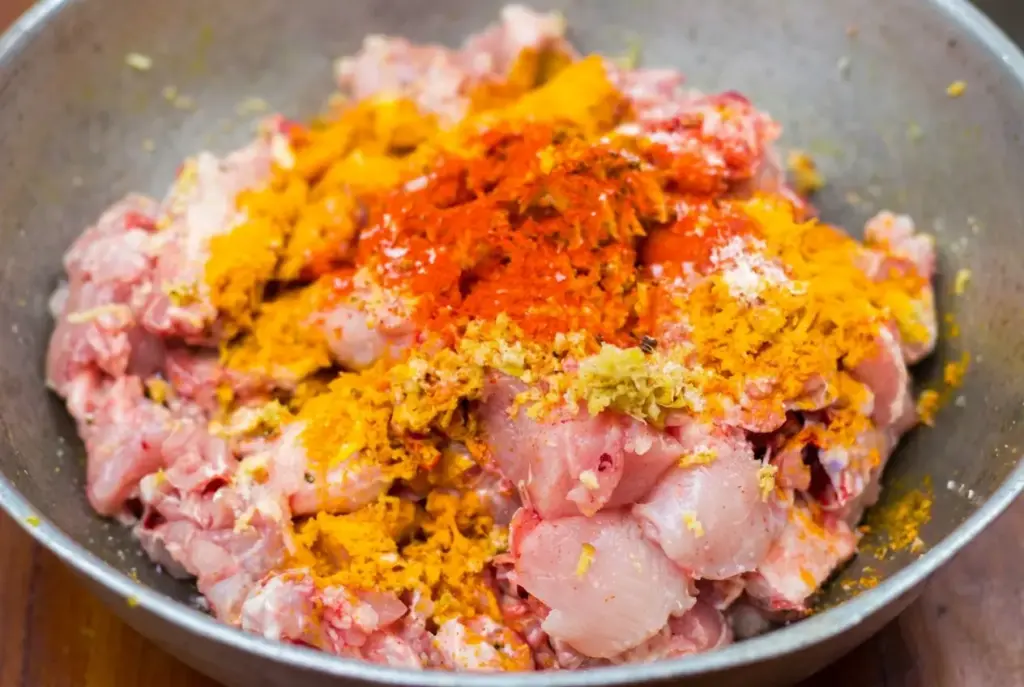
1. Prep Chicken Pieces
Cut whole chicken or bone in chicken into even pieces. Place the chicken in a covered bowl and marinate in the refrigerator for one to four hours. Keep it refrigerated until ready to cook. Let sit for 1-4 hours.
2. Prepare Spice Mix
Toast whole spices like coriander seeds, cumin seeds, fenugreek seeds, and dry red chillies in a dry pan until fragrant and turn golden. Grind to a smooth paste or powder.
3. Make Wet Paste
Grind onion, garlic, grated coconut, and curry leaves to a smooth paste.
4. Cook Base
Heat oil over medium high heat in a pan. Add sliced onions and cook until they turn golden. Add chopped tomatoes and cook until the thick sauce separates from the oil.
5. Add Chicken
Add marinated chicken pieces to the pan and stir fry for 5-7 minutes to brown the chicken and absorb the flavors.
6. Add Spices
Add the ground spice powder to the chicken and mix well. Cook on medium heat for 3-5 minutes, stirring frequently to prevent burning.
7. Add Wet Paste
Add the coconut and onion paste to the pan. Combine thoroughly and cook on low flame until the chicken sukka is dry and coated with thick gravy.
Cover the pan and cook the chicken over low to medium-low heat until fully cooked, adding a small splash of water if the masala begins to stick. The thickest pieces must reach an internal temperature of 74°C (165°F). Remove the lid and continue cooking until the excess moisture evaporates and the spices coat the chicken
8. Finish and Serve
Taste and adjust seasoning with salt or lime juice if needed. Garnish with fresh mint leaves. Serve warm with jeera rice.
Tips for Perfect Chicken Sukka
Keep the heat moderate to prevent burning.
Stir often, especially as the curry thickens.
Slow cooked chicken sukka develops deeper flavors.
Use bone in chicken for richer nutrition calories and flavor.
Serve with jeera rice to balance the spice.
Common Mistakes to Avoid in Dry Chicken Curry Recipes
Cooking on high heat the whole cook time, which can burn the spices.
Adding too much liquid early on, preventing the sauce from thickening.
Cutting chicken pieces unevenly, leading to uneven cooking.
Neglecting to stir, causing sticking and burning.
Before the Last Bite, Let's Talk Curry
Is dry curry chicken spicy?
It depends on your chili powder and spice blend. Indian chicken sukka tends to be spicy, while Japanese dry curry is milder.
Can I use boneless chicken?
Yes, but bone in chicken adds flavor and nutrition calories. Cut chicken evenly for best results.
Do I need light coconut milk?
Not always. Some dry curry recipes use light coconut milk to add subtle creaminess without making the sauce wet.
How long is the cook time?
Allow approximately 40 60 minutes for cooking, depending on the size and cut of the chicken. If following the suggested marination method, allow an additional one to four hours.
Can I make this curry dish vegetarian?
Yes. Substitute chicken with potatoes, cauliflower, or green beans for a delicious recipe.
A Curry That Asks You to Pay Attention
I think dry curry rewards a little patience. Not hours of it, just a willingness to stand by the stove, heat oil gently, lower the flame, and listen for that quiet moment when the pan stops bubbling.
Start with marinated chicken and a simple blend of ground spices. Keep the heat gentle. Taste before you finish.
Then notice how different it feels from the curries you grew up ladling. Less sauce. More spice in every bite. Nothing hiding at the bottom of the plate.
Original Recipe and Recipe Card
With these ingredients and cooking steps, you can prepare a rich, flavourful chicken sukka at home. Adjust the spices to your preference and serve it warm with jeera rice for a satisfying meal.
Enjoy your cooking journey with this rich, flavorful dry curry chicken recipe!
For a taste of Singapore’s old-school curry rice, discover how Loo’s Hainanese Curry Rice keeps its decades-old recipes alive with rich curry gravy, crispy pork chops, and comforting local flavours,