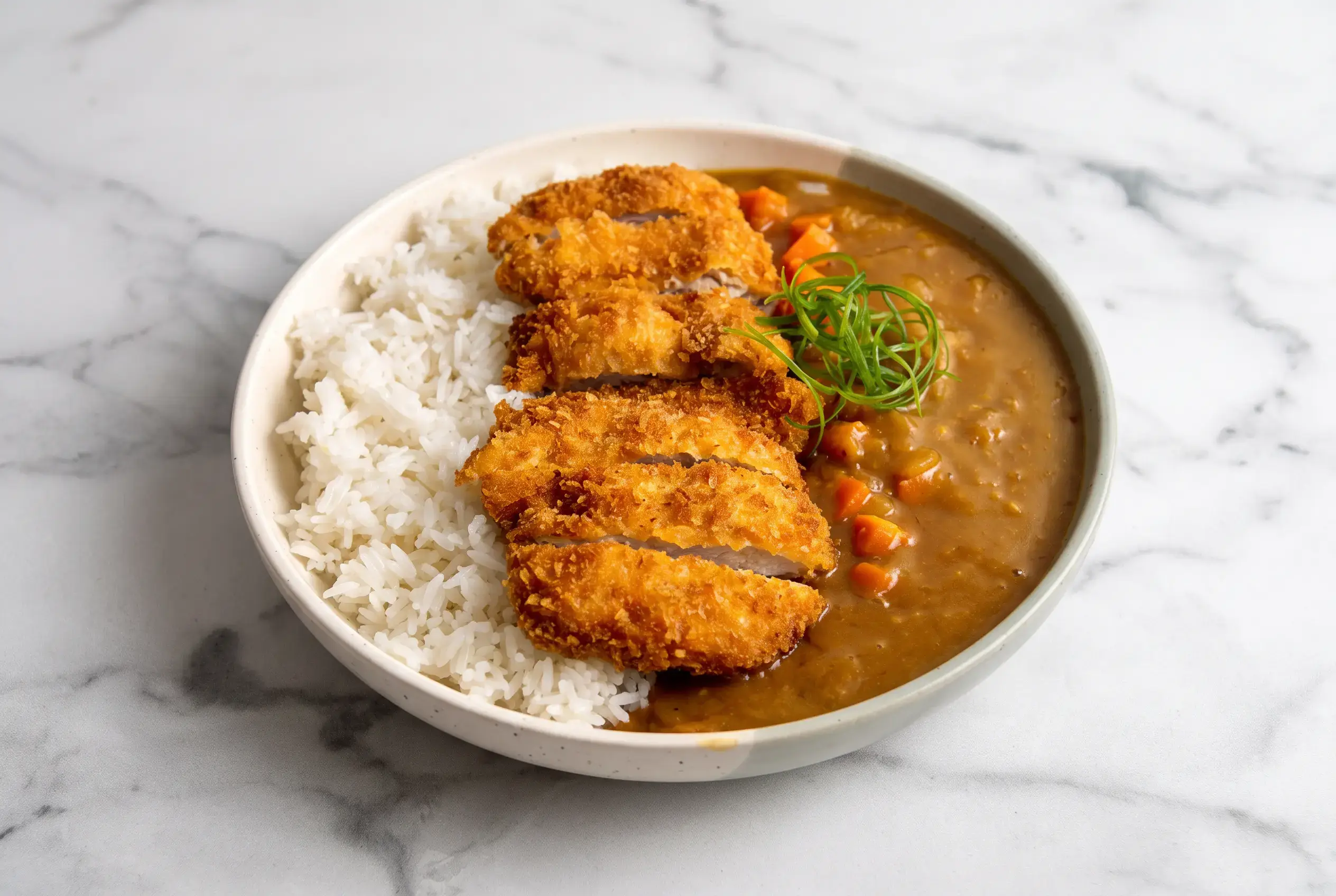
A plate of chicken katsu curry arrives heavy. Golden cutlet, thick sauce, a mound of rice. It’s comforting, and it’s a lot.
I’ve found that the plate usually feels complete only when something green, cold or sharp sits beside it. Not as decoration. As balance.
That small bowl matters more than it looks. It’s what lets you finish the meal without feeling weighed down halfway through. In Singapore’s heat, where a rich dinner can feel heavier than it should, I think a light side does even more of the work.
Here’s what I’d suggest putting next to your katsu curry, and why.
Why Vegetable Sides for Katsu Curry Matter
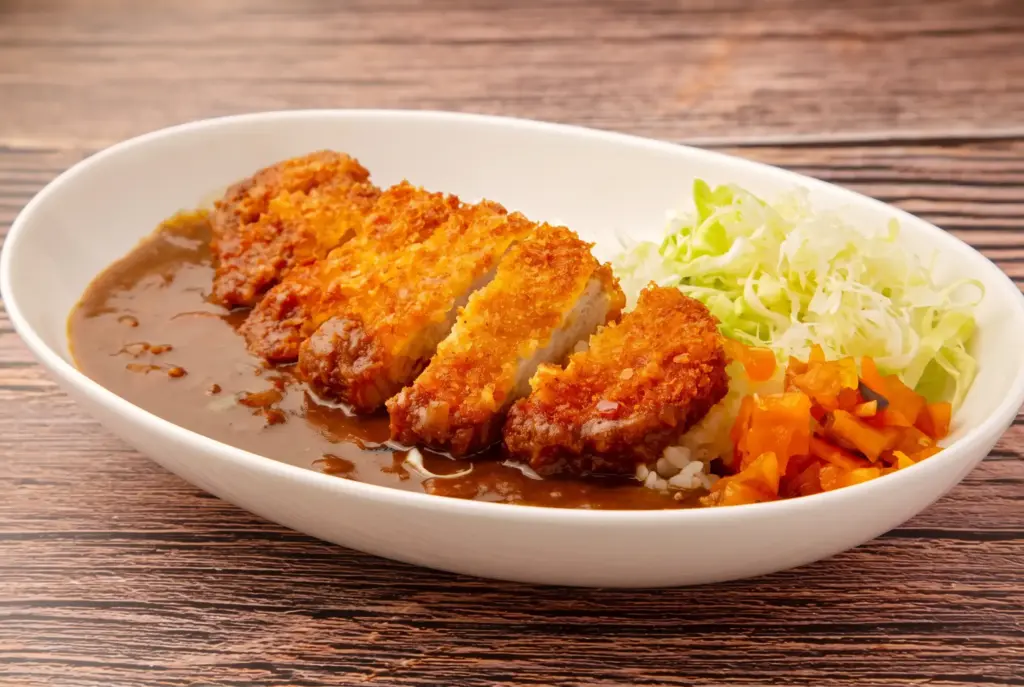
Katsu curry is built on richness. The cutlet is coated in egg and panko, then pan fried in vegetable oil in a frying pan until golden brown over medium heat. The sauce is thick and savoury. Some home versions of katsu curry sauce are made with curry powder, coconut milk, vegetable stock, garlic and ginger, which adds even more body.
None of that is a problem. It just needs a counterweight.
Many traditional Japanese curry dishes, including this typical Japanese meal, come with a few small side dishes like pickles or vegetables. I think that habit makes sense with Japanese curry in particular. A side gives your palate somewhere to rest between bites of fried meat and sauce.
The Best Sweet Potato and Vegetable Sides for Katsu Curry to Try
These are the sides I keep coming back to. Each one does something slightly different.
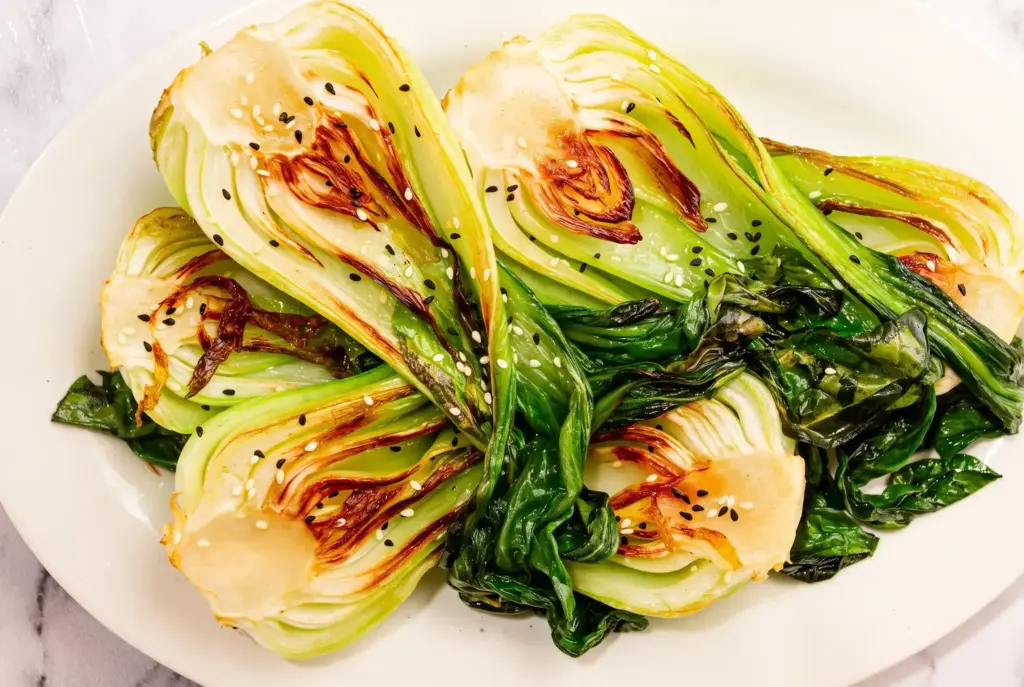
Grilled Pak Choi With Soy Sauce Glaze
Pak choi is brushed with a sweet and spicy light soy sauce glaze, then charred lightly in a griddle pan. It takes about 15 minutes.
What I like is the char. It adds a smoky edge that the curry doesn’t have, and the leaves stay tender while the stems keep some bite.
Korean Cucumber Salad
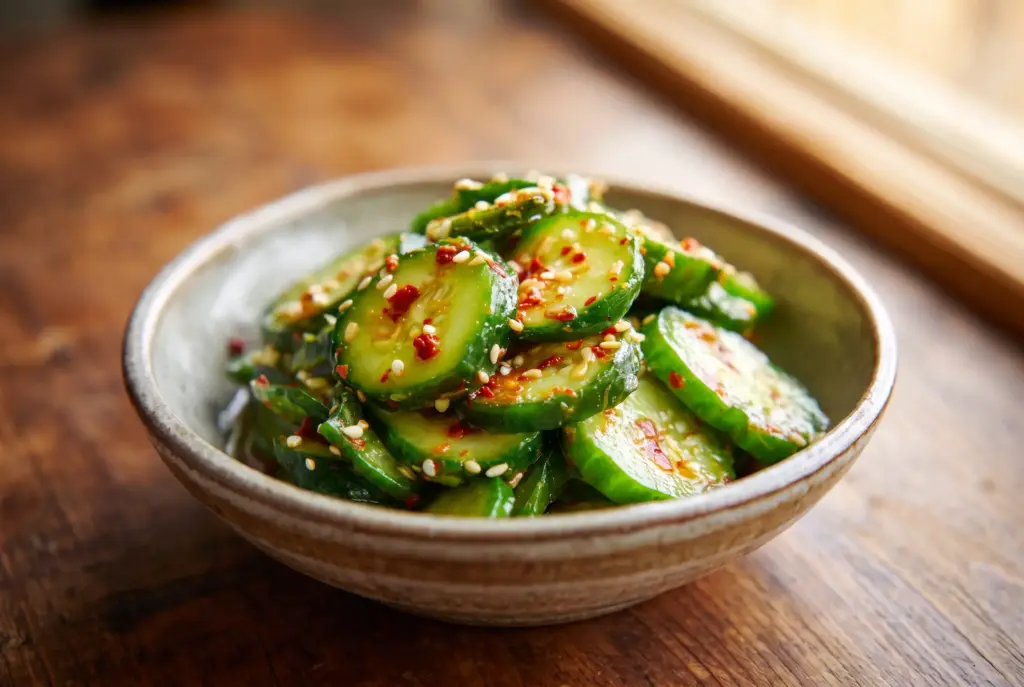
Thinly sliced cucumber tossed with spring onion (or red onion), sesame seeds, chilli powder, rice vinegar and soy sauce.
If you enjoy heat, this one is for you. The cucumber stays cool and crisp, the vinegar cuts through the sauce, and the chilli gives a gentle kick that sits well against the sweetness of Japanese curry.
Courgette Ribbon Salad
Raw courgette shaved into ribbons, dressed simply with honey and lemon zest.
This is the mildest option here. It offers crunch without competing with the chicken or the sauce. I’d suggest it when you don’t want your side to say much at all.
Asian-Style Shredded Cabbage Slaw
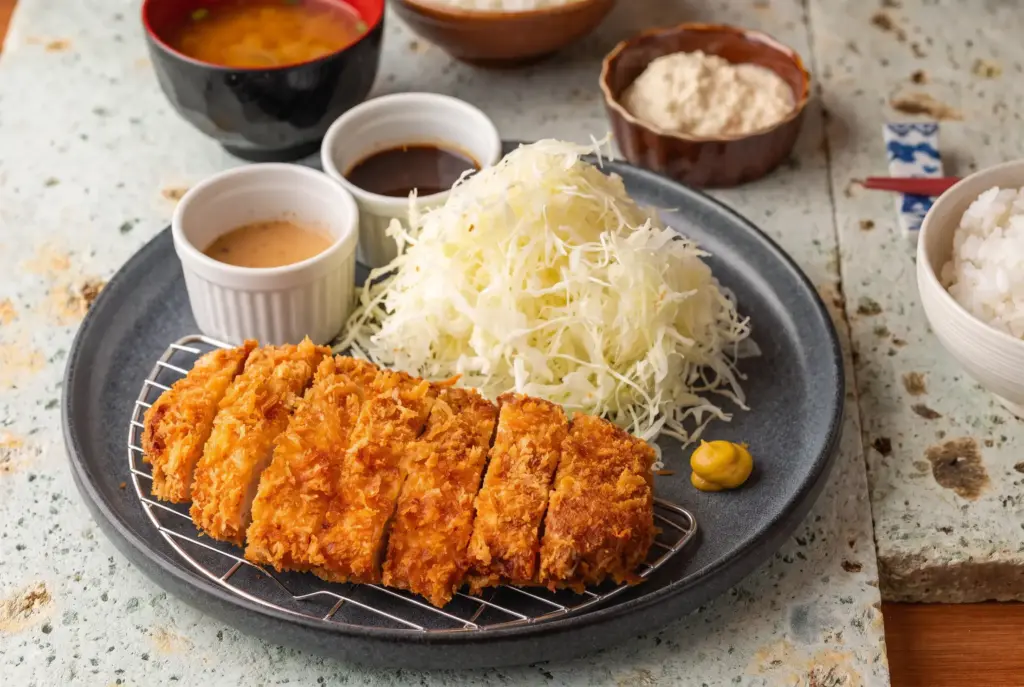
Shredded cabbage dressed with sesame mayo.
Cabbage and katsu already belong together. Shredded cabbage is a familiar sight next to fried cutlets. The sesame mayo adds a nutty creaminess, and the cabbage brings another layer of crunch beside the panko.
Pro Tip: Keep the cabbage cold and dress it just before serving. Slaw that sits too long softens and loses the crunch you added it for.
Green Beans With Gomae Sesame Sauce
Green beans coated in a Japanese-style sesame sauce. It’s a humble vegetable, made richer by a nutty dressing.
In my experience, green beans hold their snap well, which makes them a great side dish partner for soft rice and thick sauce.
Asian Broccoli Salad
This one works a little differently. Hot chilli, sesame and garlic-flavoured oil is poured over small broccoli florets, then left for about an hour so the flavours soak in.
Plan ahead for this. The waiting is part of the recipe. But the sesame oil and garlic give the broccoli real depth, and it holds up well beside a heavy plate.
Spicy Korean Carrot Salad
Inspired by Russo-Korean migrant cooking, this is a simple carrot slaw with a bit of a kick.
It’s a good choice if you want something different from a regular coleslaw. The sweetness of the carrot and the spice both suit chicken katsu curry.
Japanese Spinach Salad
Spinach dressed with a tangy onion dressing, often with tomatoes alongside. It’s a light, refreshing Asian salad.
The dressing can shift with the season: something tangy in warmer months, a heartier sesame sauce in cooler ones. Given our weather, I’d lean towards the tangy version most of the year.
Cucumber Sesame Salad
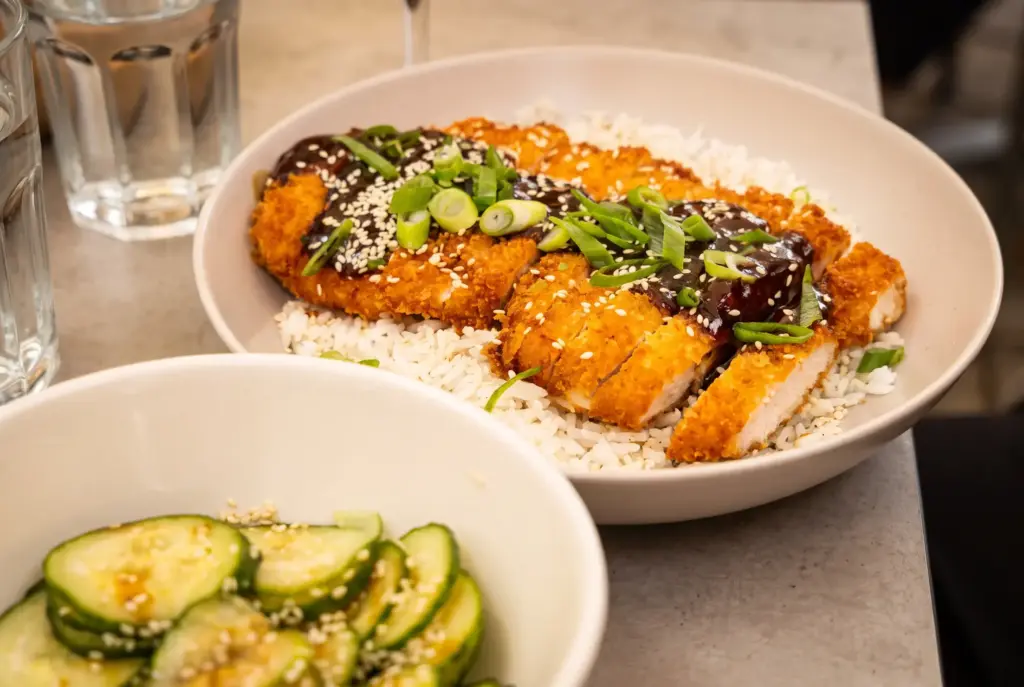
Also known as sunomono. The basic version needs only cucumbers, rice vinegar, sugar, salt and soy sauce. Finish with toasted sesame seeds.
This is probably the easiest side on this list. It’s quiet, clean and sour enough to reset your palate between bites.
Edamame
Buy them frozen, bring them to a boil, then serve. A sprinkle of salt is optional.
It isn’t exciting, and it doesn’t need to be. When I want something on the table with almost no effort, this is it.
Japanese Pickles and Pickled Ginger
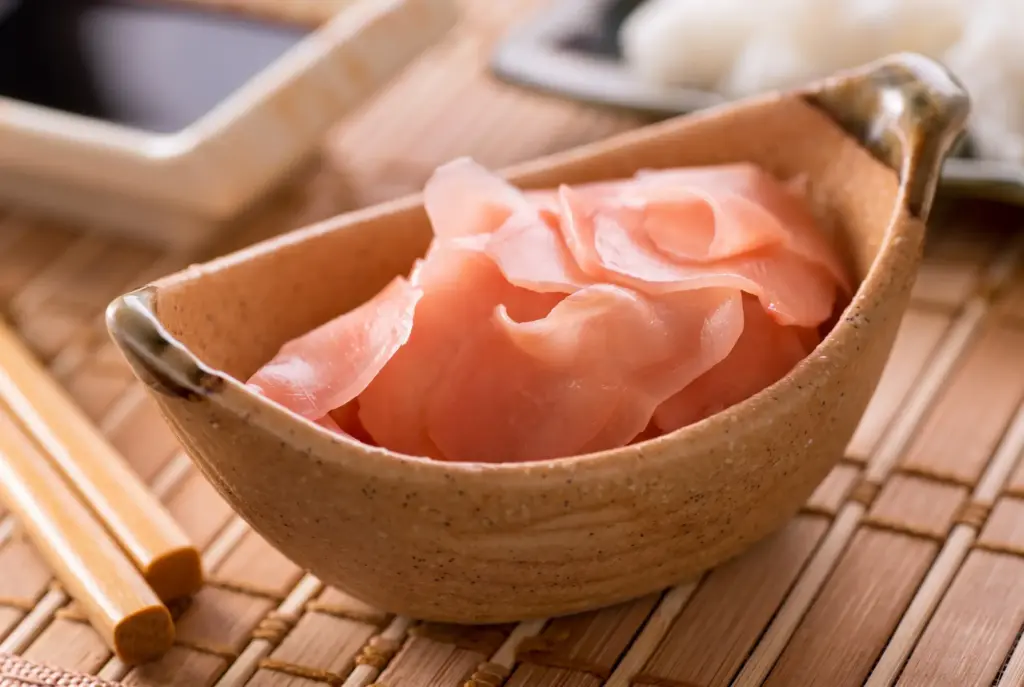
Japanese food often comes with preserved vegetables, known as tsukemono. Pickled ginger, or gari, gets its pink colour from young ginger. Other options include bright yellow radish, cucumber pickles, and fuchsia shiba zuke.
A few slices beside your curry go a long way. Sharp and salty, they cut straight through the richness.
Pro Tip: If you only have time for one side, make it something pickled or vinegared. A small amount does the most work against a rich katsu curry sauce.
What Makes a Side Work With Katsu Curry Sauce
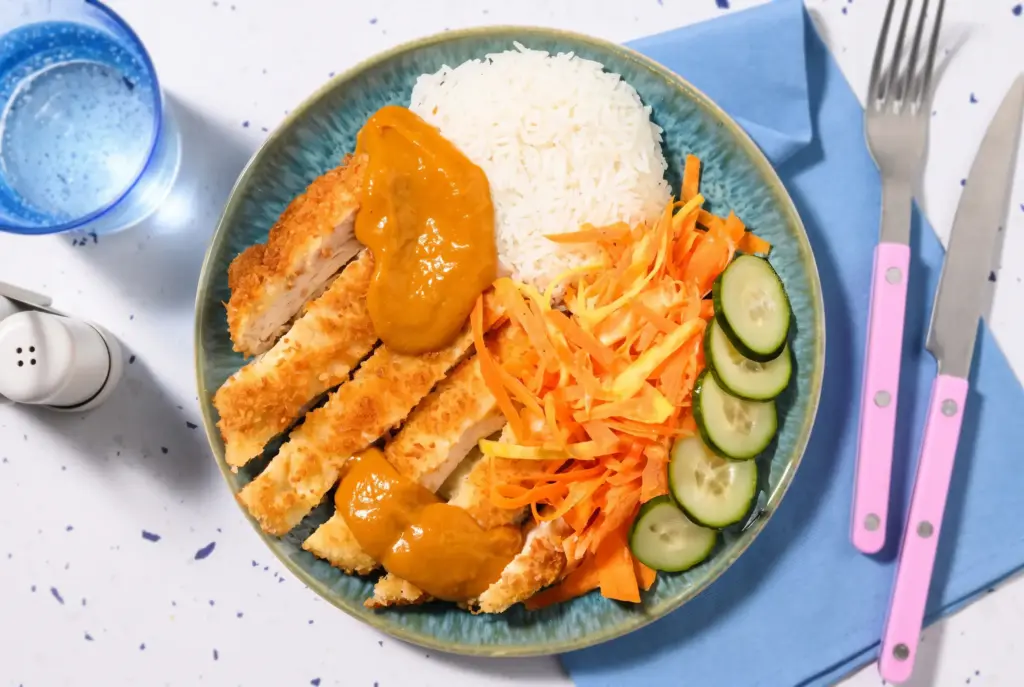
I’ve found it comes down to three things.
Contrast
The curry is rich and savoury. Your side should push back. Acidity from rice vinegar, sharpness from pickled ginger, or a little heat from chilli all help.
Freshness
Cold, raw or lightly cooked veggies bring relief to a hot, fried plate. Cucumber, cabbage and courgette are good at this.
Texture
The cutlet already has crunch, but it softens under sauce. A crisp side keeps that texture going through the whole meal. Shredded cabbage, green beans and small broccoli florets all hold their bite.
If a side gives you at least one of these, it’s earning its place.
Common Mistakes to Avoid With Japanese Curry Side Dishes
pic
Adding more fried food. Tempura with sweet potato and other vegetables is lovely on its own, but next to a fried cutlet, it doubles the heaviness. I’d save it for another meal.
Choosing sides that are too rich. A creamy salad is fine in small portions. Pair a heavy dressing with katsu curry, though, and the plate can feel cloying fast.
Dressing salads too early. Cucumber and cabbage release water as they sit. Dress them close to serving time.
Overloading the plate. One or two sides are plenty. Too many and you lose the balance you were aiming for.
Ignoring salt levels. Some frozen seaweed salads, like wakame seasoned with sugar and sesame oil, can be too salty and may need rinsing. Taste before serving, especially next to an already savoury sauce.
Pro Tip: Think about the whole plate, not just the side. If your curry is on the sweeter side, lean towards sour or spicy sides. If it's savoury and heavy, go fresh and crisp.
Let's Clear the Curry (FAQ )
What vegetables go best with chicken curry and vegetarian katsu curry?
Crisp, fresh or tangy veggies. Shredded cabbage, cucumber salads, green beans with sesame sauce and pickled ginger all work well because they balance the fried cutlet and thick sauce.
Do I need to cook my vegetable sides?
Not always. Many great side dishes are raw, like cucumber sesame salad, courgette ribbons and cabbage slaw. Others, like grilled pak choi or edamame, need only a few minutes of cooking.
Can I make sides ahead of time?
Some, yes. The Asian broccoli salad actually benefits from resting for an hour. Pickles keep well. Watery salads like cucumber are better dressed just before eating.
Additional Notes on Vegetarian Katsu Curry and Cooking Tips
Vegetarian katsu curry is an absolutely delicious variation of this traditional Japanese dish. Instead of chicken, vegetarian katsu is often made using ingredients like eggplant or sweet potato, coated in purpose flour and panko, then pan fried in vegetable oil over medium heat in a frying pan.
For the curry sauce, a food processor or stick blender is handy to mix and blend ingredients like coconut milk, curry powder, and vegetable stock, simmering the sauce while stirring occasionally on low heat to develop rich flavors.
Adding lime juice or serving with lime wedges can brighten the dish, adding a fresh contrast to the rich sauce, making it a perfect dish for any occasion. Including sides like potatoes, mushrooms, corn, and apple in your vegetable mix can add texture and flavor, enhancing the overall meal.
Enjoy experimenting with these tips to make your katsu curry meal absolutely delicious and balanced with the perfect side dishes.
A Small Bowl, A Perfect Dish
Katsu curry will always be the centre of the plate. That’s fine. It’s meant to be.
But I’ve come to believe the side bowl decides how the meal ends. Whether you finish feeling heavy, or feeling satisfied.
Start simple. A few slices of pickled ginger. A handful of cucumber dressed with rice vinegar and sesame seeds. Then try something new next time: the charred pak choi, the green beans, the slow-soaked broccoli. These vegetable sides complement the rich flavors typical of Japanese curry dishes, enhancing the overall dining experience.
Notice what each one changes. That’s how you’ll find your own balance.