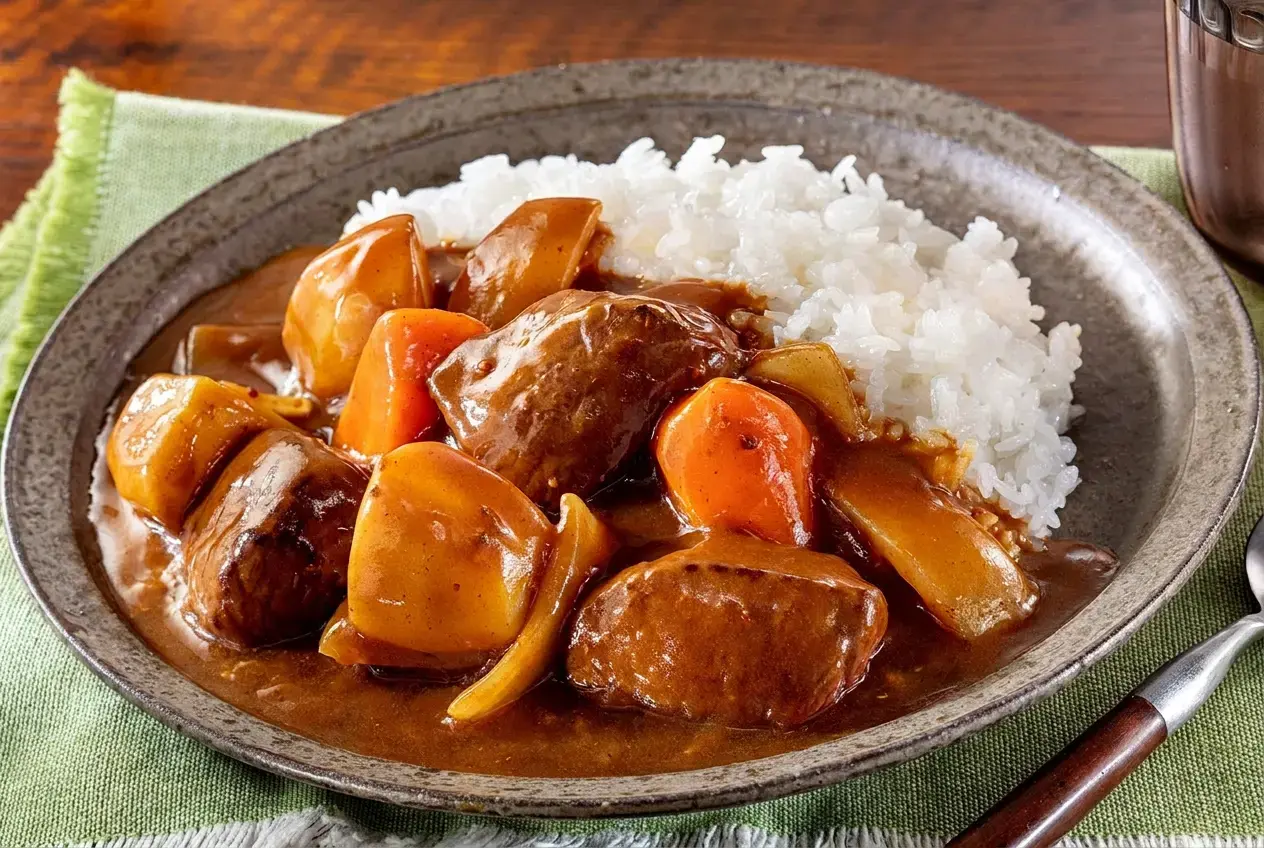
Picture a plate of Japanese curry beef set down on a quiet table. Steam rises from the Japanese short grain rice. The curry sauce is thick and glossy, a deep brown that holds its shape instead of running to the rim. Somewhere in it sits a piece of tender beef that gives way at the edge of a spoon, with no knife and no effort.
That moment of softness is what this piece is about.
Japanese cuisine includes many comforting dishes, but Japanese curry beef stands out for its rich, savory flavor and thick, gravy-like curry sauce. Curry was introduced to Japan during the Meiji era, and since then, it has become a beloved staple in Japanese households, often served with white rice or cooked rice.
The Quiet Contrast in a Bowl of Beef Stew Meat Curry with Carrots and Potatoes
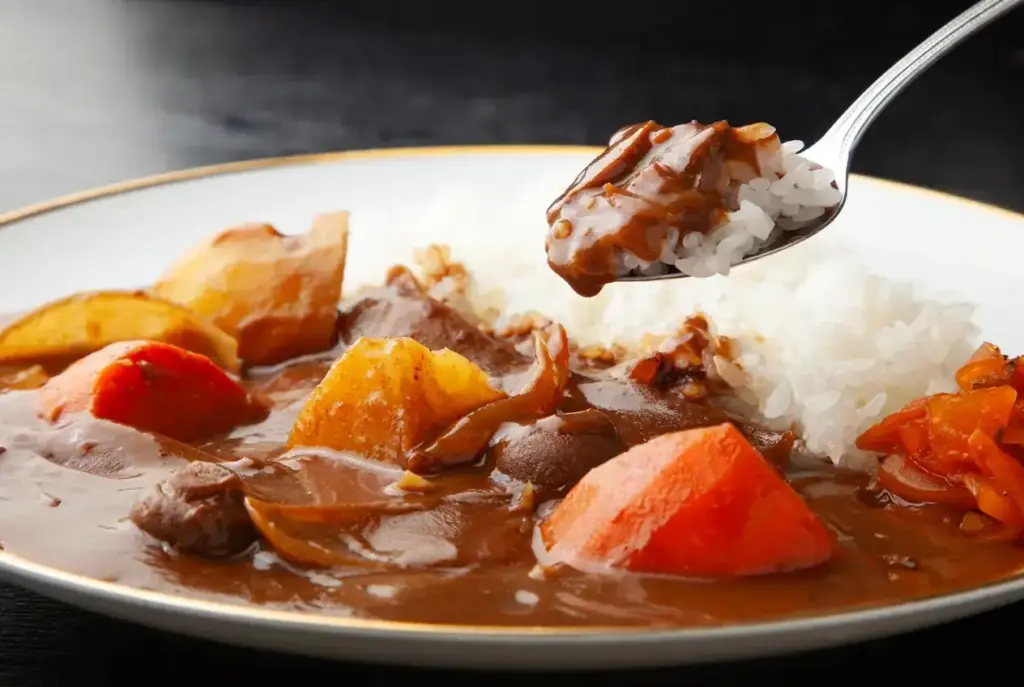
A good bowl of beef stew meat curry depends on contrast, even if it’s a gentle one.
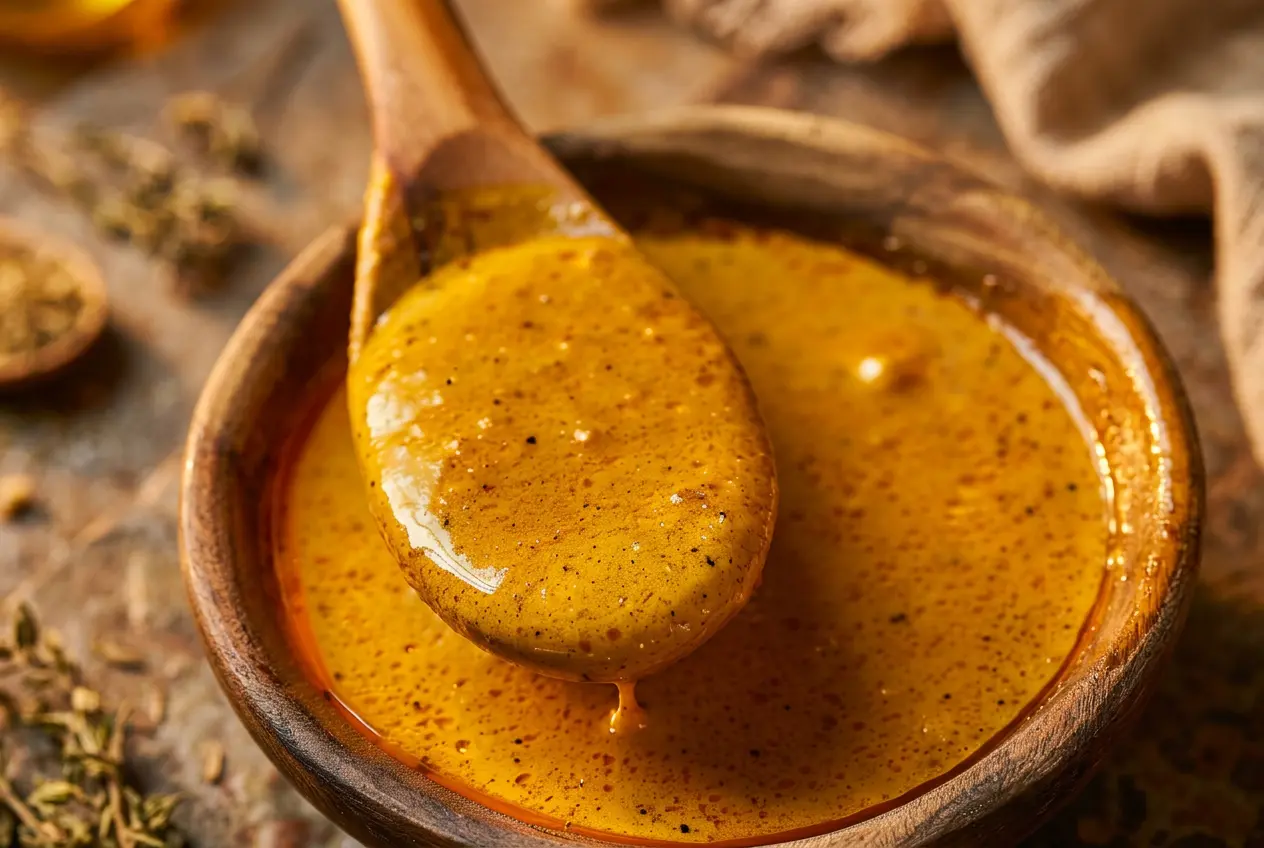
The curry sauce, thickened by instant curry roux or curry roux blocks, coats rather than soaks. The beef chuck, when it has been cooked slowly, offers a different kind of softness: fibrous, yielding, pulling apart in tender chunks. One texture rests on the other.
Then there’s the Japanese short grain rice underneath, plain and steady, catching whatever falls from the spoon.
When the beef stew meat is tough, that balance tips. You chew while the curry sauce has already gone. The plate feels unfinished. When the beef is tender, the sauce and meat arrive together, and each spoonful feels complete.
So what makes beef chuck tender in the first place?
What Time Does to Chuck Roast and Beef Cubes in Curry Powder and Worcestershire Sauce
Collagen and Connective Tissue in Beef Stew Meat
Not all beef behaves the same way in a pot.
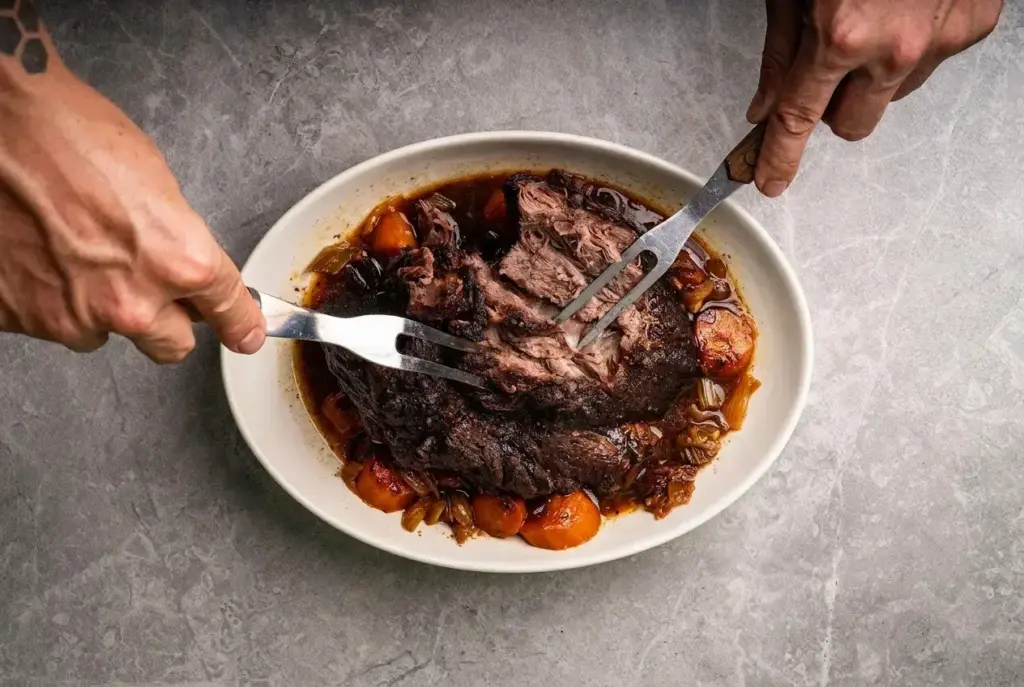
Cuts with more connective tissue, like chuck roast or beef cubes, tend to come from parts of the animal that do more work. That connective tissue contains collagen, a protein that holds muscle fibers together. Raw or cooked quickly, these cuts can feel chewy, even stubborn.
Moist, gentle cooking changes that. Given enough time in liquid such as chicken stock or red wine, collagen can break down and dissolve into gelatin. As it does, the bundles of muscle fiber loosen their grip on each other. The meat begins to separate more easily, which is what we feel as tender beef.
This is the quiet logic of braised beef. Braising means cooking meat slowly, partly or fully submerged in liquid, over steady, moderate heat like medium low heat in a dutch oven. It isn’t a shortcut. It’s a trade: time in exchange for texture.
Why Gentle Heat Matters in the Cooking Process
Heat doesn’t only work on collagen. It also works on the muscle fibers themselves. Cooked at very high temperatures like medium high heat, those fibers can firm up and tighten. So simply boiling beef hard for a long time doesn’t guarantee a soft result.
The approach that tends to help is gentler: moist heat, kept moderate, given room to work. Even then, nothing is promised. The outcome depends on the cut, the size of the pieces, the liquid, and how the pot is managed. A lean, quick-cooking cut won’t transform the way a cut rich in connective tissue might.
That’s why slow cooking suits some beef so well, whether in a slow cooker or using the instant pot method, and why it isn’t a magic fix for all of it.
The Flavor Comes From the Pan: Seared Beef and Minced Garlic
Browning and the Maillard Reaction with Heat Oil
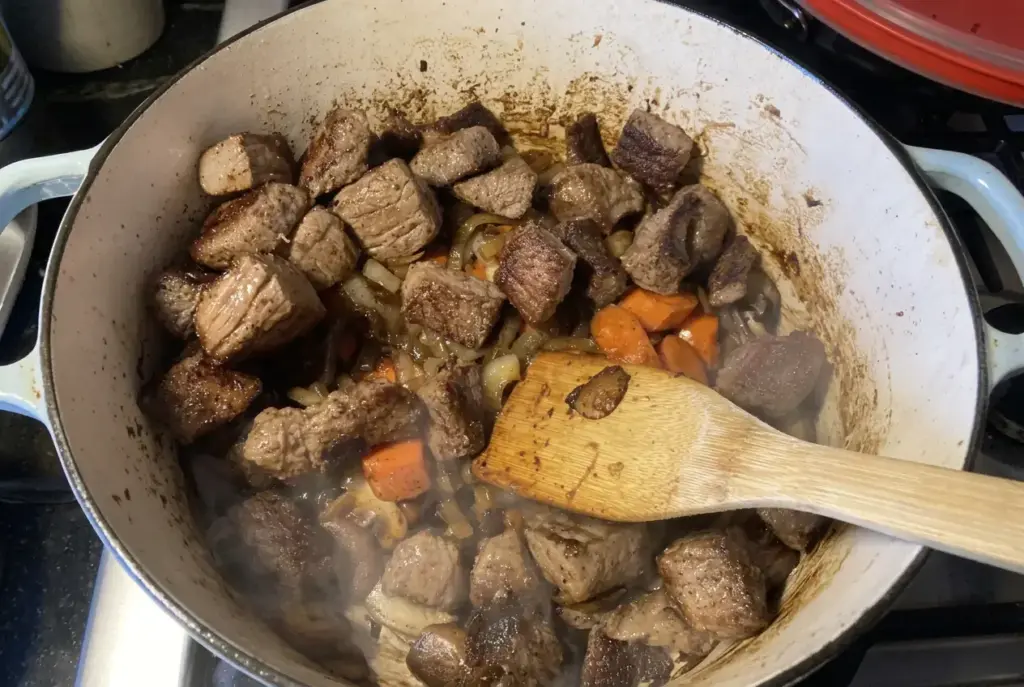
Before beef cubes go into a curry, many cooks brown or sear beef first.
When the surface of the meat meets a hot pan, a set of chemical changes known as the Maillard reaction begins. Proteins and sugars react with each other and form new flavor compounds. The result is that darker crust and the deeper, roasted aroma it brings.
In a slow-cooked Japanese tomato beef curry, that browning can carry through the whole pot. The flavor isn’t confined to the meat. Some of it clings to the pan, and once liquid is added, it becomes part of the curry sauce.
A Myth Worth Letting Go: Searing Does Not Seal in Juices
There’s an old kitchen belief that searing beef “seals in” its juices.
It doesn’t. Browning is about flavor, not moisture. Meat will still lose liquid as it cooks, seared or not. The crust adds taste and color. It doesn’t act as a barrier.
This matters because it changes why you’d brown beef at all. Not to protect it, but to give the curry a deeper flavor. Understood that way, browning becomes a choice about flavor rather than a rule that must be followed.
A Sauce Built to Hold: Instant Curry Roux and Curry Powder
The Character of Japanese Curry Roux and Brand of Curry Roux
Slow-cooked tender beef needs a sauce that can stand beside it. Japanese curry happens to be very good at that.
Japanese curry beef is characterized by a thick curry sauce served with Japanese short grain rice, often alongside hearty ingredients like carrots and potatoes, including Yukon gold potatoes or russet potatoes.
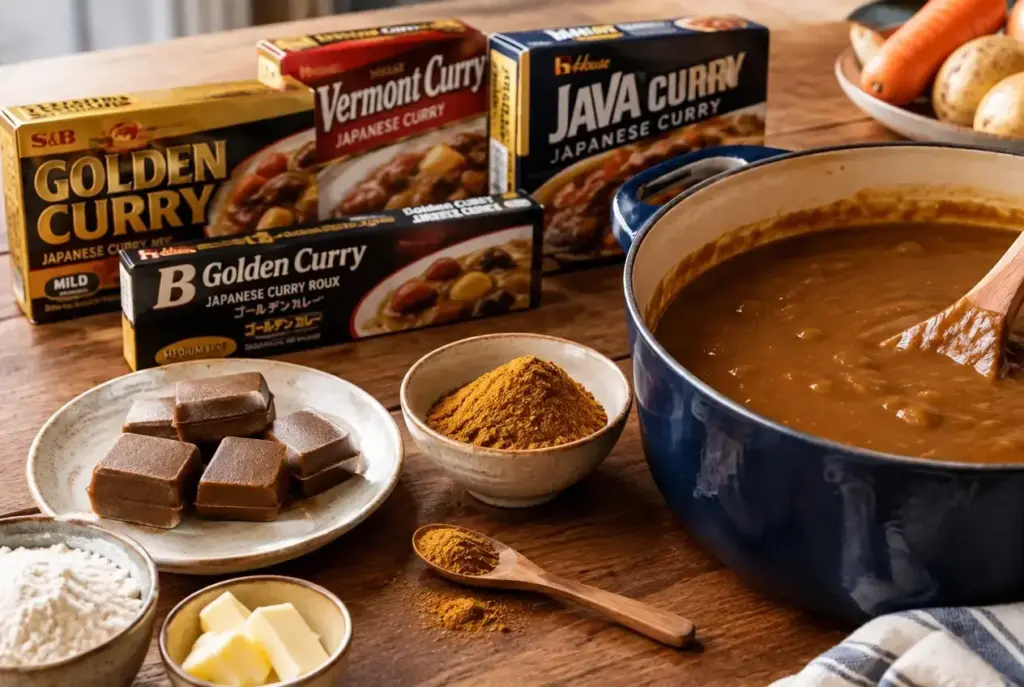
That body comes from a roux: fat and flour cooked together with curry powder, then stirred into the cooking liquid. Japanese curry roux turns a pot of broth into something closer to a gravy. It clings to beef, settles over rice, and stays put.
Popular brands of curry roux include Golden Curry, Vermont Curry, Java Curry, and B Golden Curry. These curry blocks dissolve quickly when added to simmering curry, thickening the sauce and adding layers of savory flavor.
A Curry That Traveled and Was Introduced to Japan
The thickness has a history behind it.
Japanese curry was introduced to Japan from Indian cuisine via Britain during the Meiji era, which ran from 1868 to 1912. The British style of curry used a sauce thickened with flour, and it was this version that reached Japan.
Over time, curry rice became part of yoshoku, the Japanese term for Western-style dishes adapted to local tastes until they felt fully at home. It’s a familiar kind of story for anyone in Japanese households or the whole family.
That flour-thickened lineage is part of why Japanese curry suits beef the way it does. It was never meant to be a light broth. It was meant to hold.
One Way, Not the Only Way: Slow Cooker, Instant Pot, and Other Meat Options
Slow Cooking Is a Choice
It would be easy to say that every Japanese curry beef should be slow-cooked. That wouldn’t be fair, or true.
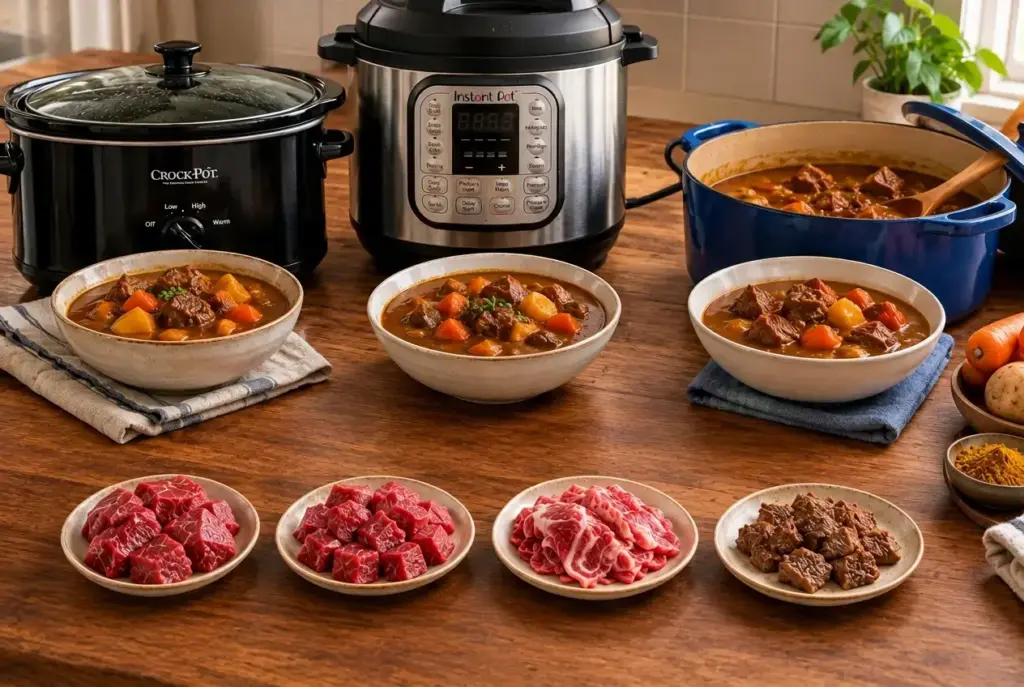
Japanese curry is a broad home-cooking tradition, and methods vary widely. Some cooks use thinly sliced beef that needs only a short simmer. Some use stew meat or beef stew meat that is tender to begin with. Some simply want dinner on the table on a weeknight after a long commute, and that’s a perfectly good reason.
A quicker beef curry can still be comforting. It just offers a different texture: firmer, more distinct pieces of meat rather than strands that fall apart.
What Slow Cooking Offers Instead
What a slower approach brings is a particular kind of softness, and a sauce that has spent longer alongside the beef.
When suitable cuts like chuck roast are braised gently, the gelatin from broken-down collagen can add a certain richness to the texture of the meat. The browned flavor from the pan has more time to move into the liquid. The whole pot tends to feel more unified.
None of this makes it the correct way. It makes it one honest answer to a simple question: what happens when you give beef more time?
Why It All Comes Together on the Plate: Serving with Japanese Pickles and Cooked Rice
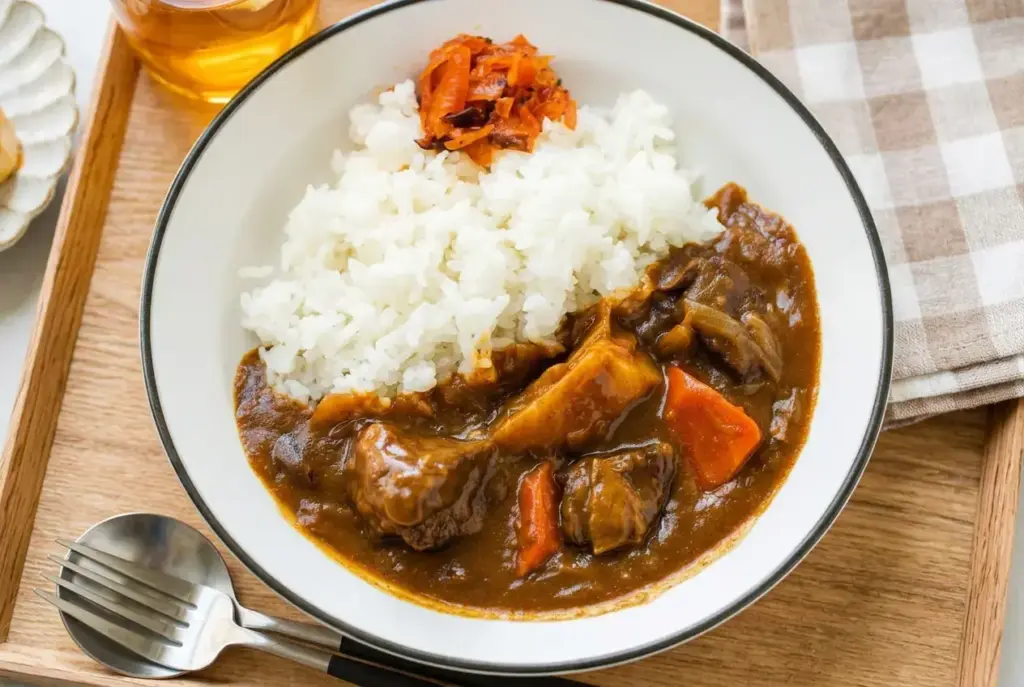
Go back to that plate on the quiet table.
The rice is warm and plain, often Japanese short grain rice or white rice. It asks for something to carry. The curry sauce, thickened by curry roux blocks and shaped by a long history of travel, is ready to be carried. And the beef, if it has been treated with patience, gives way gently, meeting the sauce halfway.
That’s the quiet appeal of slow-cooked Japanese curry. It isn’t about any one ingredient being remarkable. It’s about texture and time lining up, so that nothing on the plate feels rushed.
Maybe that’s why Japanese tomato beef curry can feel so steadying on a humid evening, or after a day that moved too fast. It’s delicious curry that has already done its waiting, so you don’t have to.
The next time a plate of Japanese curry beef is set in front of you, slow down for the first spoonful. Notice the tender beef. Is it firm and distinct, or soft enough to fall apart against the rice? Does the curry sauce hold to it, or slip away?
Every bowl tells you something about how long it took to make. All you have to do is pay attention.
Tips for Enhancing Your Japanese Curry Beef
Use grated apple and Worcestershire sauce to add a subtle sweetness and deeper flavor to your curry.
Incorporate minced garlic and garlic and ginger for aromatic complexity.
Sauté onions slowly to caramelize and build a savory flavor base.
Use soy sauce for an umami boost.
Choose the right potatoes like Yukon gold potatoes or russet potatoes for the perfect texture.
Try different brands of curry roux to customize the heat and flavor, such as Golden Curry, Vermont Curry, Java Curry, or B Golden Curry.
Store leftover curry in an airtight container for meal prep and easy reheating.
Experiment with curry udon or katsu curry as delicious variations.
When using an instant pot, use the cook mode to prevent burning and follow the instant pot method carefully.
These tips will help you master the cooking process and enjoy a final dish that embodies the best of Japanese cuisine.