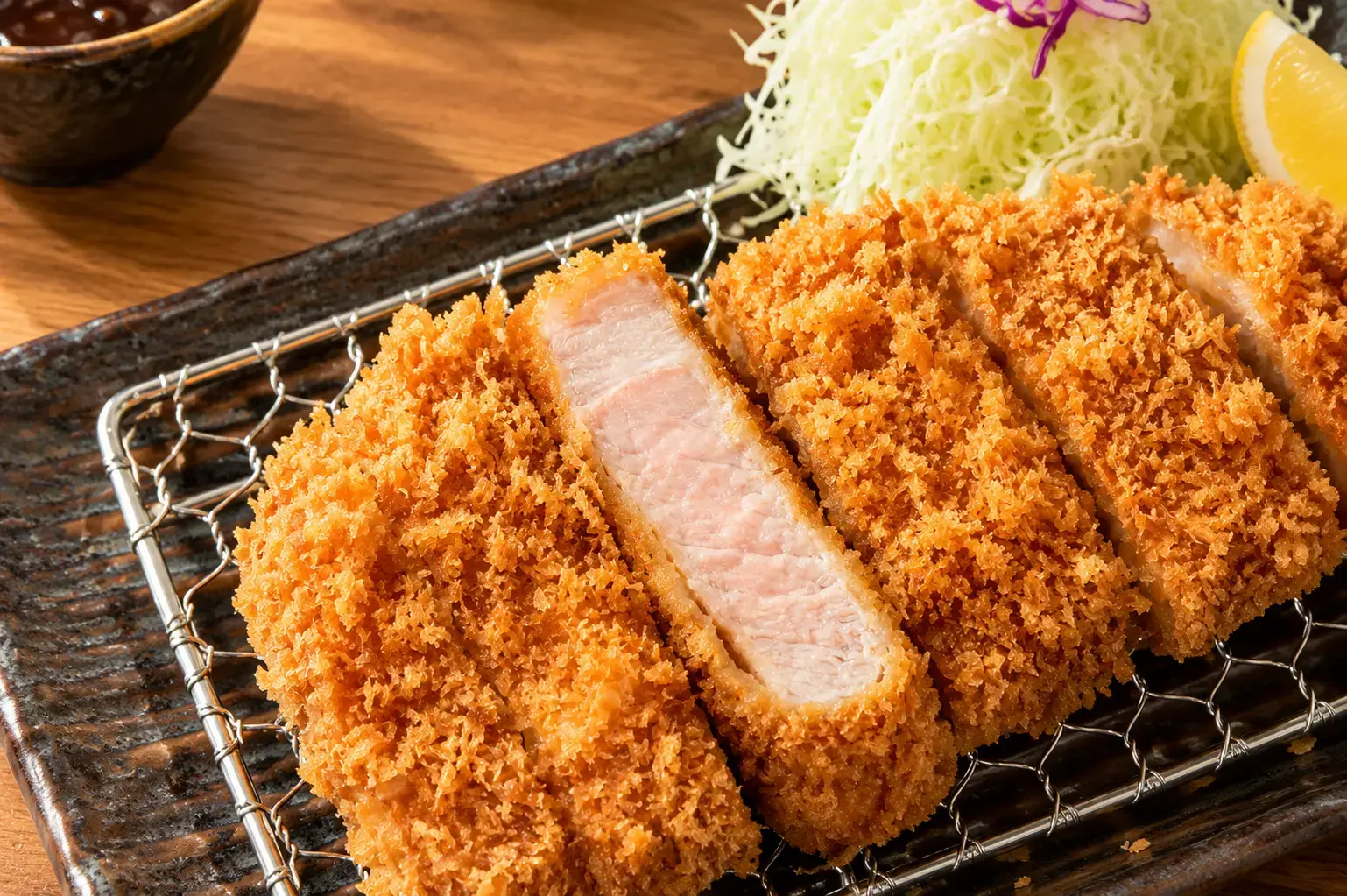
The first time I ordered katsu, I didn’t really know what it was.
It was a weekday lunch in a mall basement, the kind with tray returns and plastic number stands. I pointed at the picture with the golden brown cutlet and a mound of shredded cabbage. When it came, I poured the whole dish of sauce over everything at once.
By the fifth bite, the crust had gone soft. The cabbage was swimming. I finished it anyway, but I knew I’d done something wrong.
That meal sent me down a long road of asking questions. What is katsu, exactly? Why does the sauce come separate? Why does the pork version taste so different from the chicken? And how does it compare to the popular Curry Singapore dishes I know? This guide is everything I wish someone had told me at that table.
What Is Katsu? The Word and the Food
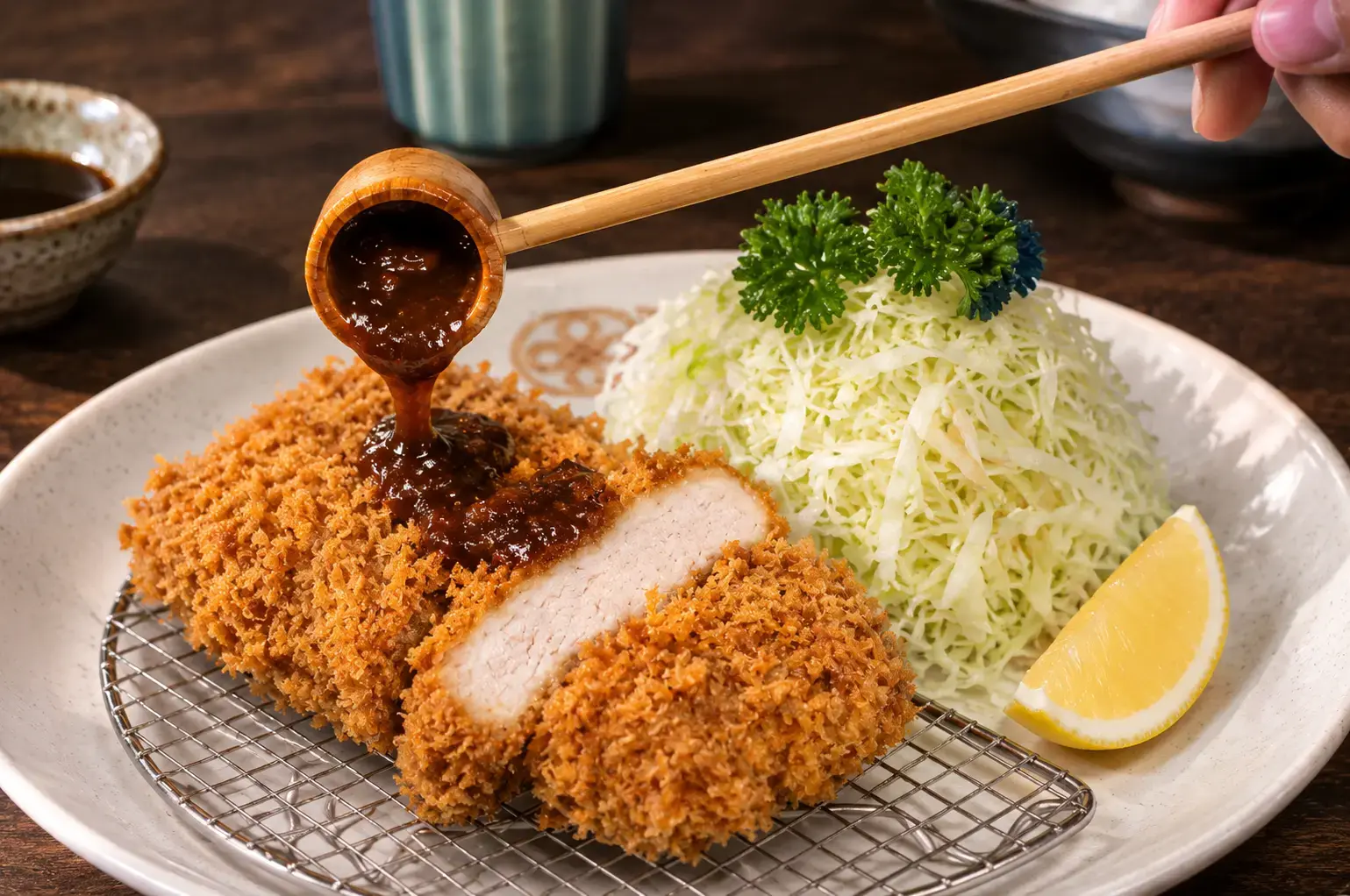
Katsu is the shortened form of katsuretsu, the Japanese word for cutlet. That’s really all it means. A cutlet of meat or seafood is pounded thin, coated, and deep fried in hot oil.
So when you ask “what is katsu food,” the honest answer is that it’s less a single dish and more a technique. It sits close to a German schnitzel in shape and spirit. The difference is in the details.
Katsu is coated in three layers: flour, beaten egg, then panko breadcrumbs. Panko are Japanese breadcrumbs, larger and flakier than the fine crumbs most of us grew up with. They fry up light, crisp, and jagged, which is why a good katsu crunches loudly when you bite into it.
And traditionally, katsu is served with a thick, tangy sauce on the side. Not on top. On the side. I learned that one the hard way.
Insider knowledge: Because katsu is a technique, almost anything can be cooked “katsu style.” In Japan you’ll find ham katsu, cheese katsu, fish katsu, and even potato versions in modern variations.
Where Katsu Came From
Katsu traces back to the Meiji era, when Japan opened up to Western influences. Pork and deep-frying entered Japanese cooking around that time.
In the late 1800s, a restaurant in Tokyo wanted to offer a European-style meat cutlet. That idea became katsu. Over time, it was adapted to local tastes until it became fully Japanese, the same way so many borrowed foods become ours over a few generations.
I find that comforting, honestly. It’s a story Singapore understands well.
Today in Japan, katsu is everywhere. Convenience store bento boxes. Train station lunch packs. Casual yoshoku eateries, which serve Western-style Japanese food. And specialty restaurants that do nothing but katsu.
Types of Katsu You’ll Meet
What Is Katsu Chicken? A Guide to Chicken Katsu
If you’ve eaten katsu in Singapore, there’s a good chance it was chicken katsu. It’s boneless chicken coated in panko and deep fried.
Many people choose chicken breast as a lighter alternative to pork. Some kitchens use butterflied chicken thigh instead, which gives you a juicier chicken cutlet with more flavor.
I prefer thigh. Breast can dry out quickly if the oil runs too hot or the cutlet sits too long. With thigh, there’s more forgiveness.
Tonkatsu (Pork Katsu)
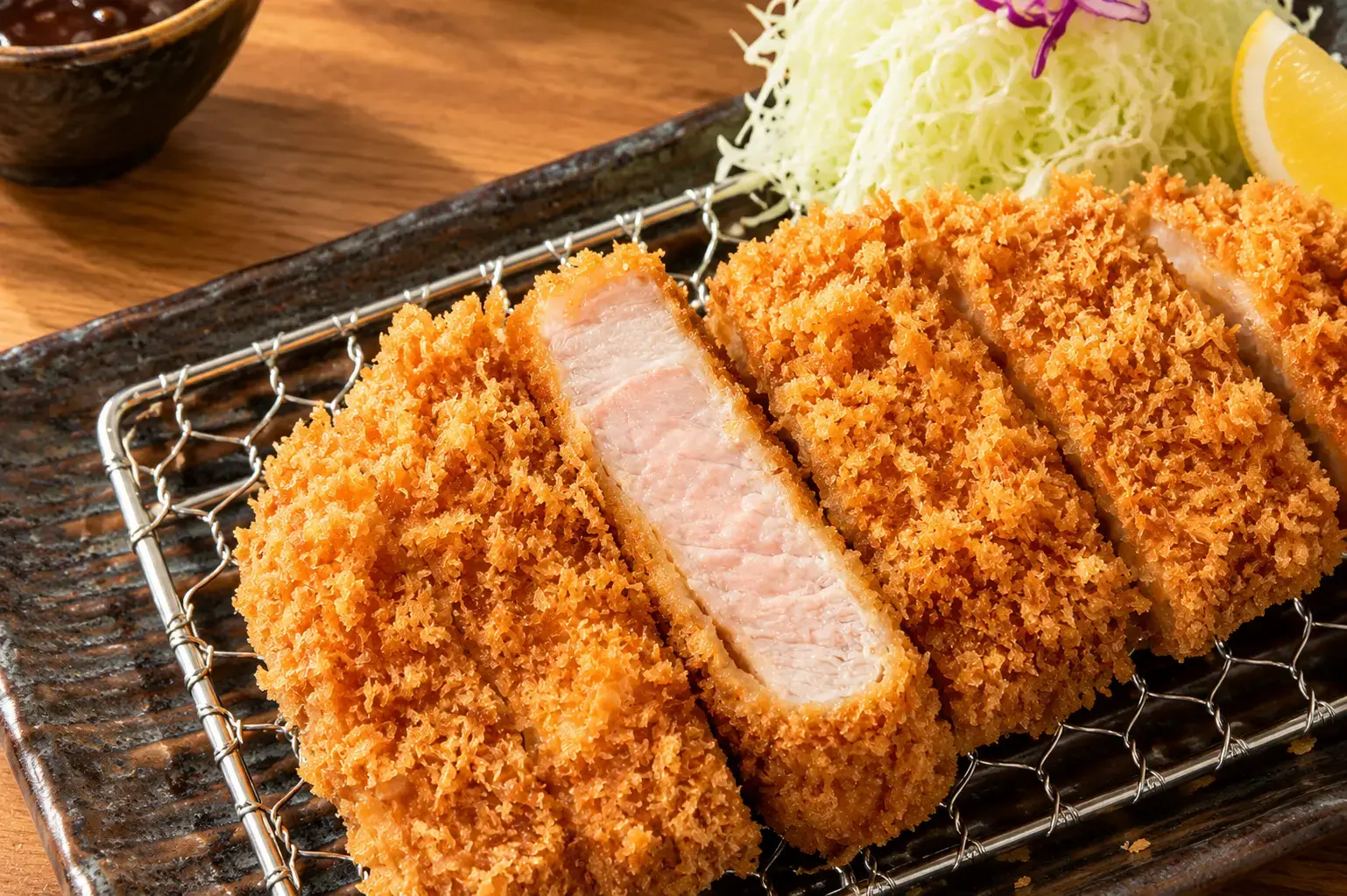
In Japan, tonkatsu is the katsu most people picture first. It comes in two main cuts:
Hire: the leaner pork tenderloin, sometimes called pork fillet
Rosu: the fattier pork loin, with a band of fat along the edge
The most prized tonkatsu is made with kurobuta, Japanese black Berkshire pork. If you see it on a menu, expect to pay more. I think it’s worth trying at least once, just to taste the difference richness makes.
Gyukatsu (Beef Katsu)
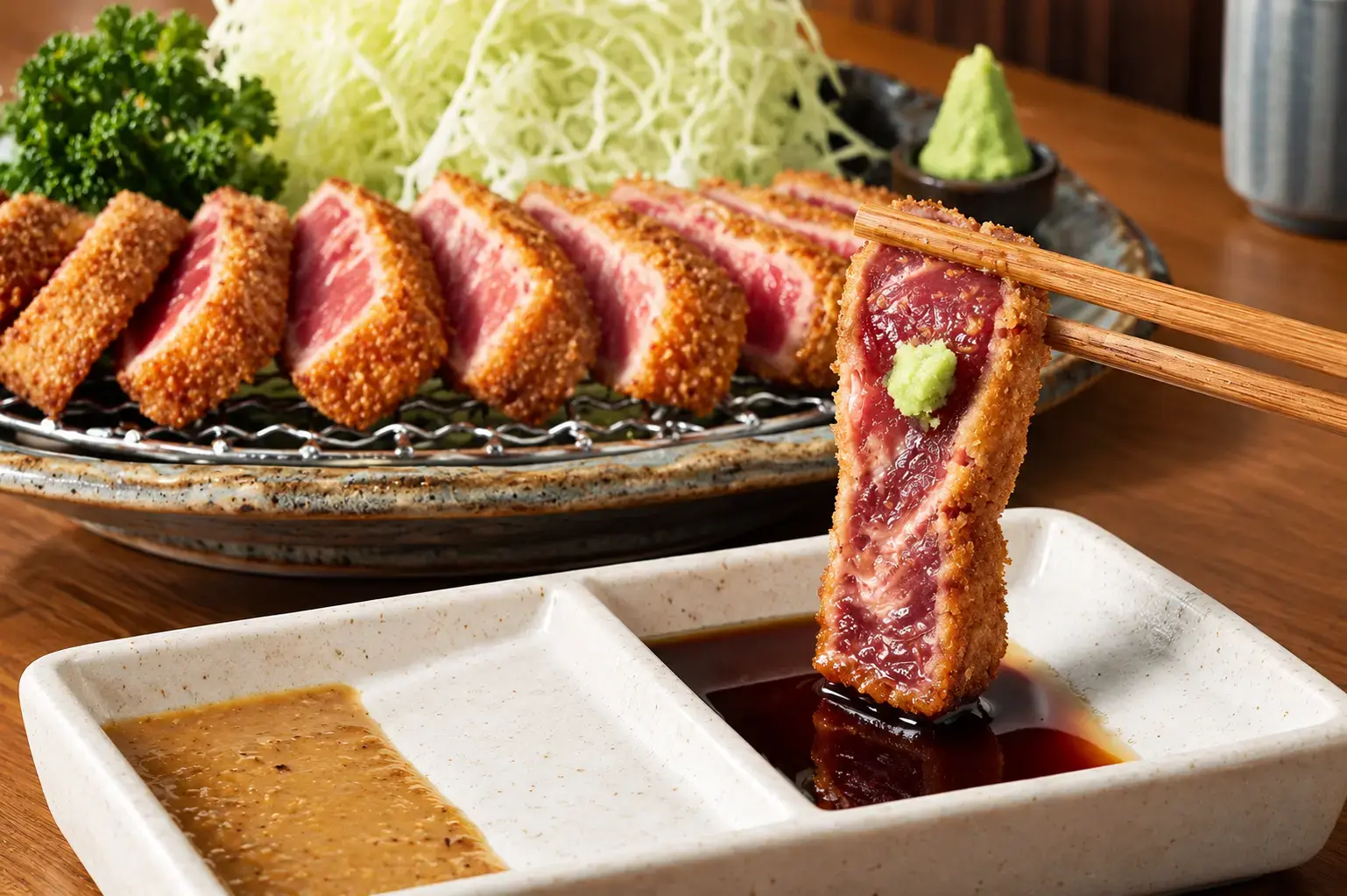
Gyukatsu is beef steak breaded in panko and fried katsu style. It’s a more indulgent option, close to what Americans call chicken fried steak.
Menchikatsu (Minced Meat Katsu)
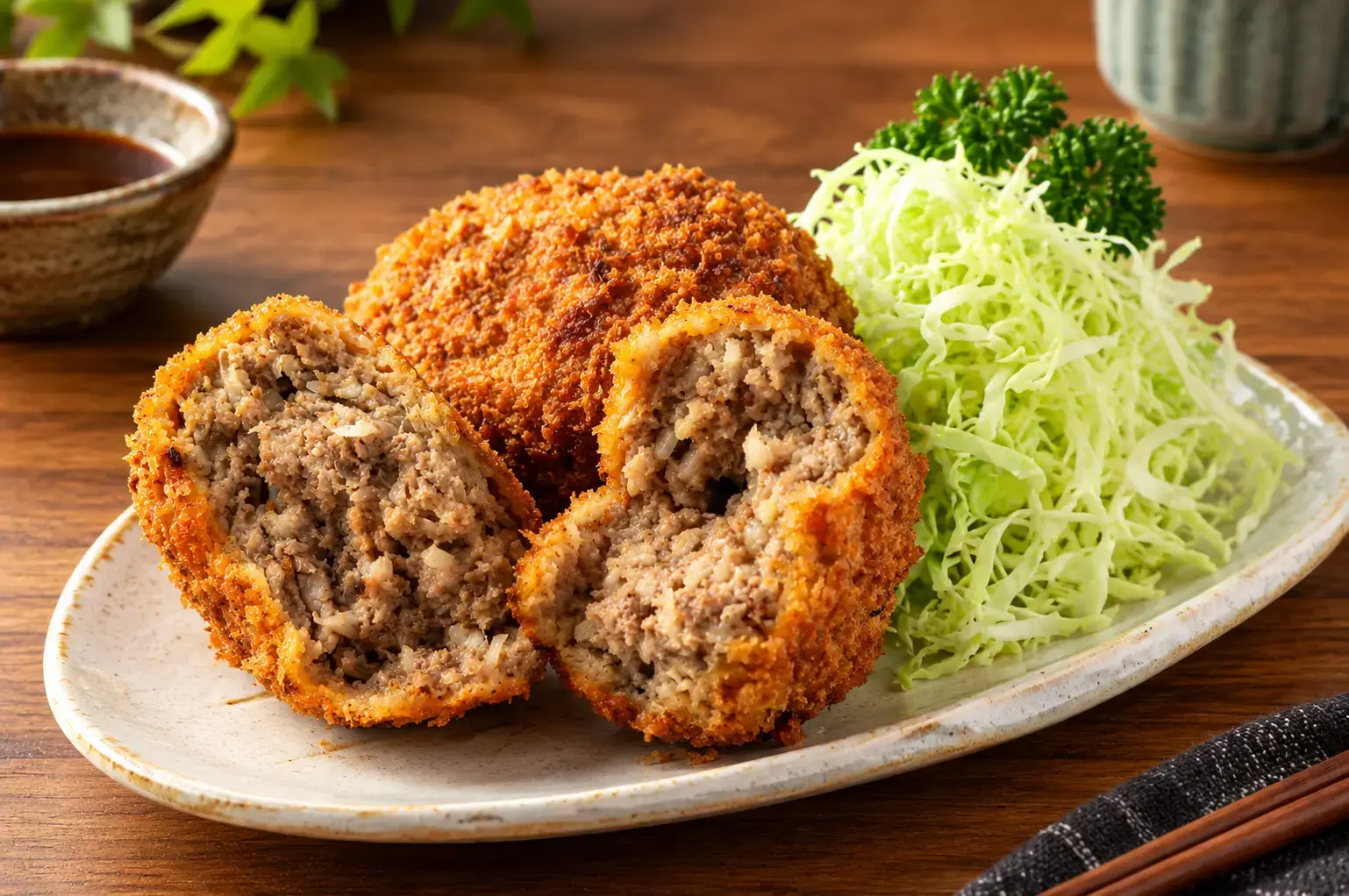
Menchikatsu is a patty of minced meat, usually beef, sometimes pork or a mix of both. It’s breaded and fried like any other katsu. The inside stays soft and almost meatball-like, which surprised me the first time.
Salmon and Other Variations
Salmon katsu, sometimes called “salmon fry” in Japan, is another rich option. Beyond that, the list keeps going. Once you understand the technique, you’ll start seeing katsu variations everywhere.
The Sauces: Tonkatsu Sauce and Nagoya’s Miso Katsu
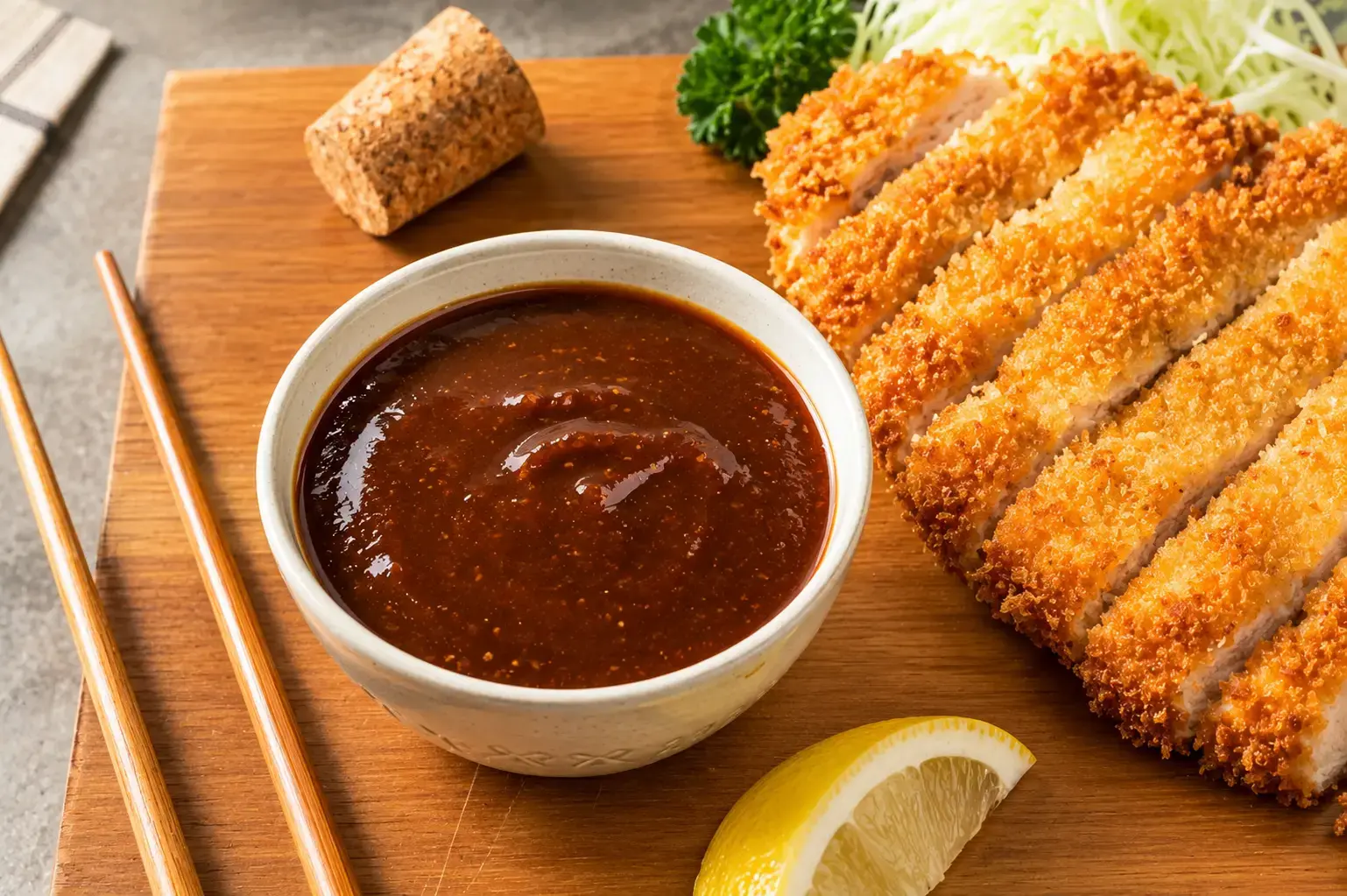
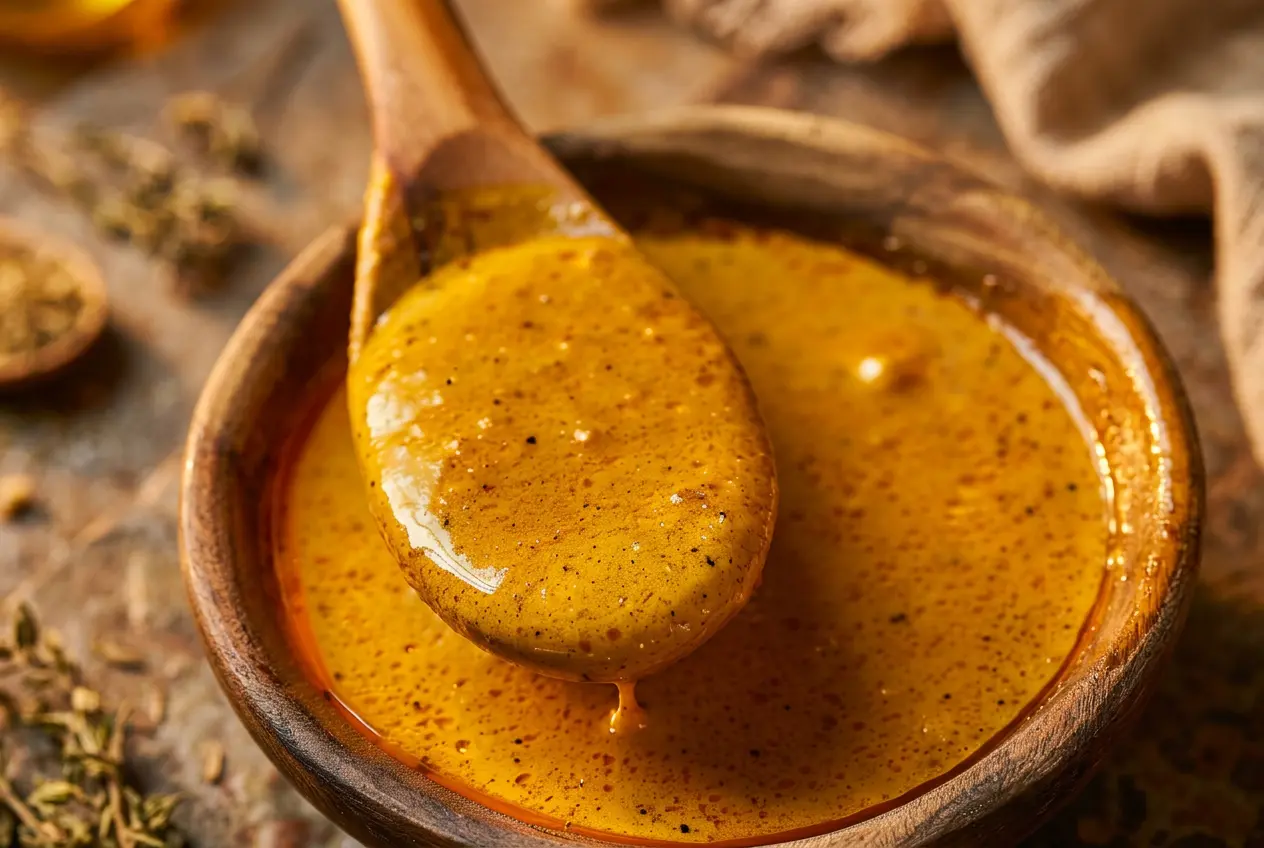
Tonkatsu sauce is thick, dark, fruity, and tangy. It’s the classic partner for katsu, and it also goes with other fried foods like ebi fry (fried shrimp) and croquettes.
When home cooks make a quick version, many start with worcestershire sauce and ketchup, then adjust the sweetness. It won’t match a bottled Japanese sauce exactly, but it gets you close enough on a weeknight.
Then there’s Nagoya. In that region, people eat katsu with a miso katsu sauce, which is deeper and more savory. If you ever travel through Nagoya, I’d suggest making room for it.
Pro tip: Dip, don’t pour. Keep your sauce in its little dish and dip each slice. The crust stays crisp to the last bite.
How Katsu Is Served
This is where katsu becomes a whole meal, and where the combinations get interesting.
Chicken Katsu Curry and Katsu Curry
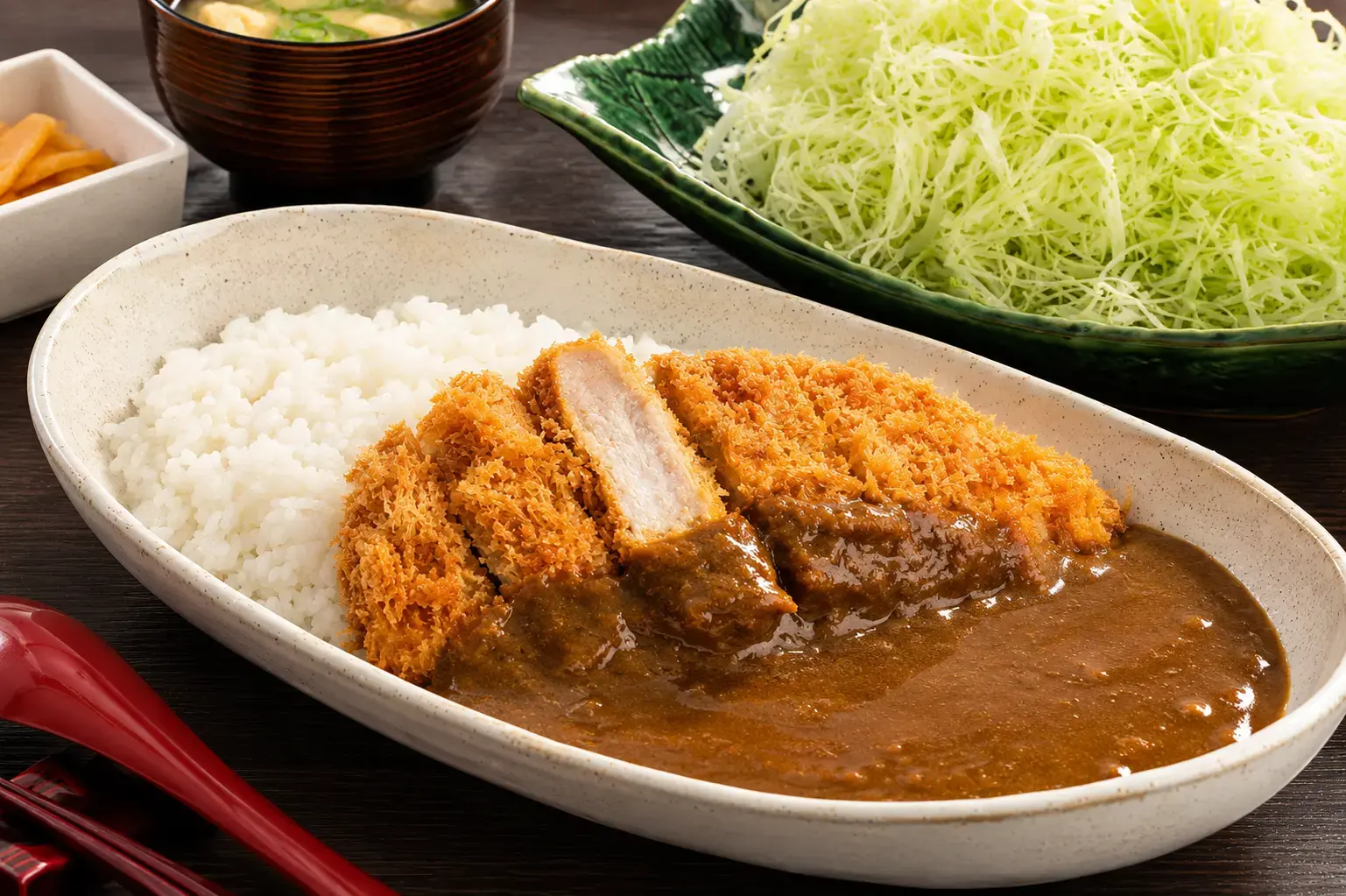
Katsu curry is a heaping plate of white rice, Japanese curry sauce, and a sliced cutlet on top. Tonkatsu is the classic, but chicken katsu curry is just as common, especially here.
Japanese curry tends to be sweeter and milder than Indian curry. If you grew up on fish head curry or the chilli-heavy curry at a nasi padang stall, it might taste gentle at first. That gentleness is the point. It’s thick, warm, and lets the cutlet stay the centre of the plate.
I think this is the easiest way into katsu for Singaporeans. Rice, fried meat, a rich sauce. We already know that grammar.
Insider knowledge: At some curry places, the sauce goes beside the cutlet rather than over it. If yours comes drenched, eat the katsu first while it’s still crisp.
Katsu Sandwich (Katsu Sando)
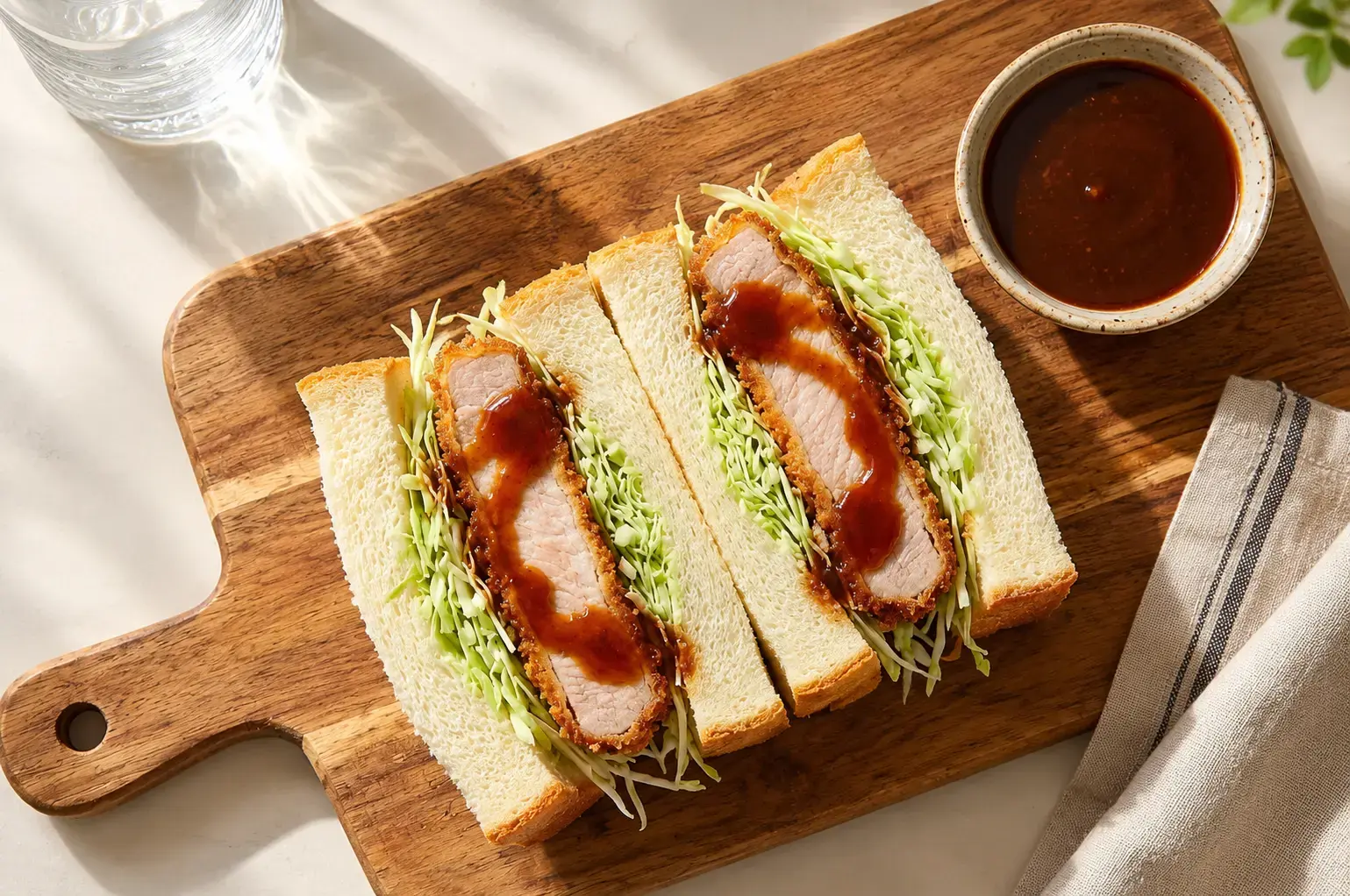
A katsu sandwich, or katsu sando, is tonkatsu between slices of shokupan. That’s Japanese white bread, soft and fluffy, with the crusts cut away.
It’s a simple sandwich. That’s why it works. The bread is pillowy, the cutlet crunchy, and a little sauce ties it together. There’s also the katsu burger, with the cutlet replacing the usual patty between two buns.
I’ve found that a katsu sando holds up surprisingly well as a packed lunch on a long MRT ride. Rice dishes, less so.
Katsudon
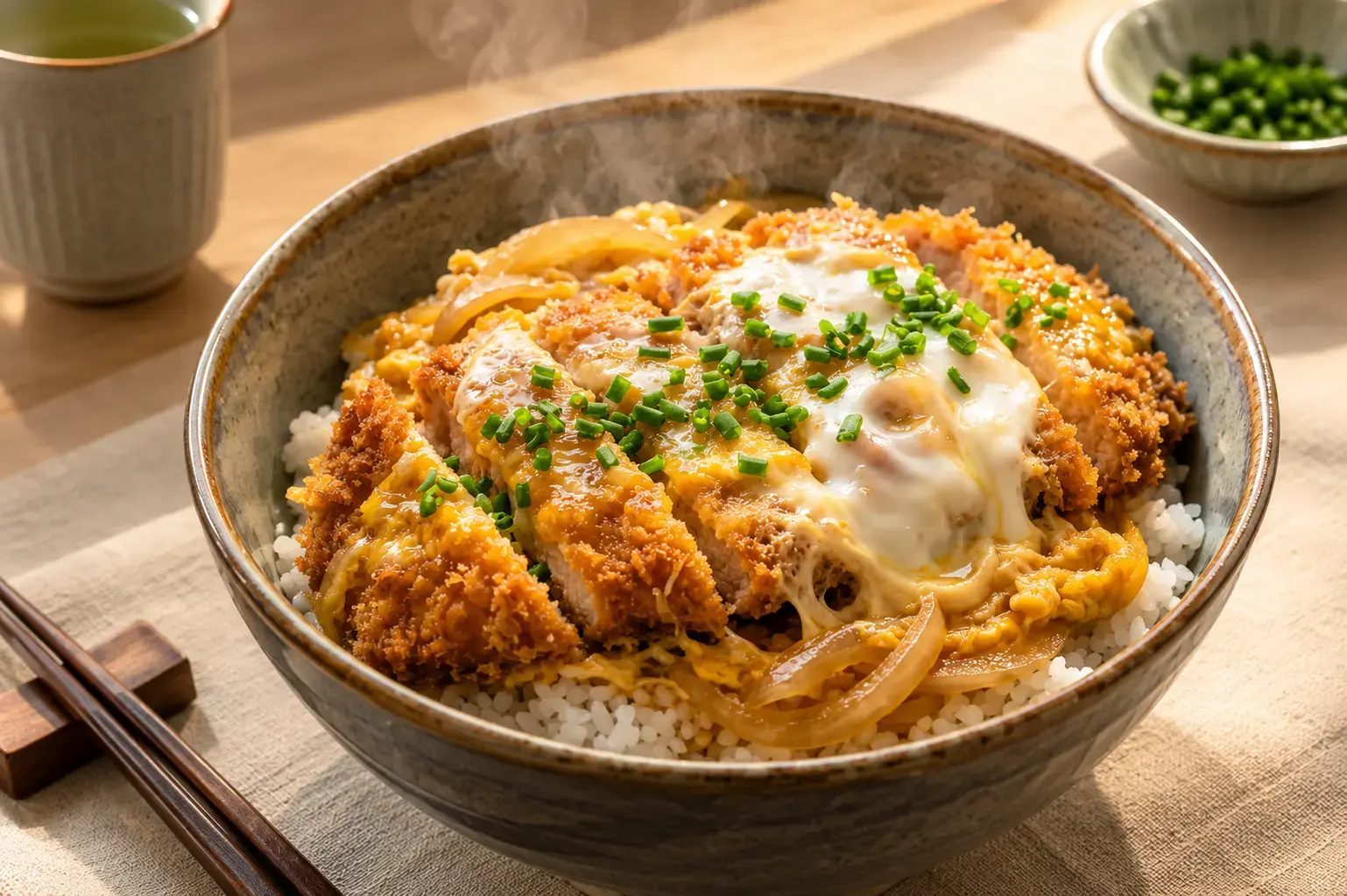
Katsudon is a bowl of rice topped with katsu that’s been simmered with onions and egg in a sweet and savory broth. The best version keeps a bit of crunch even after soaking up the broth. It’s softer, homier, and good on a rainy evening.
Tonkatsu Teishoku
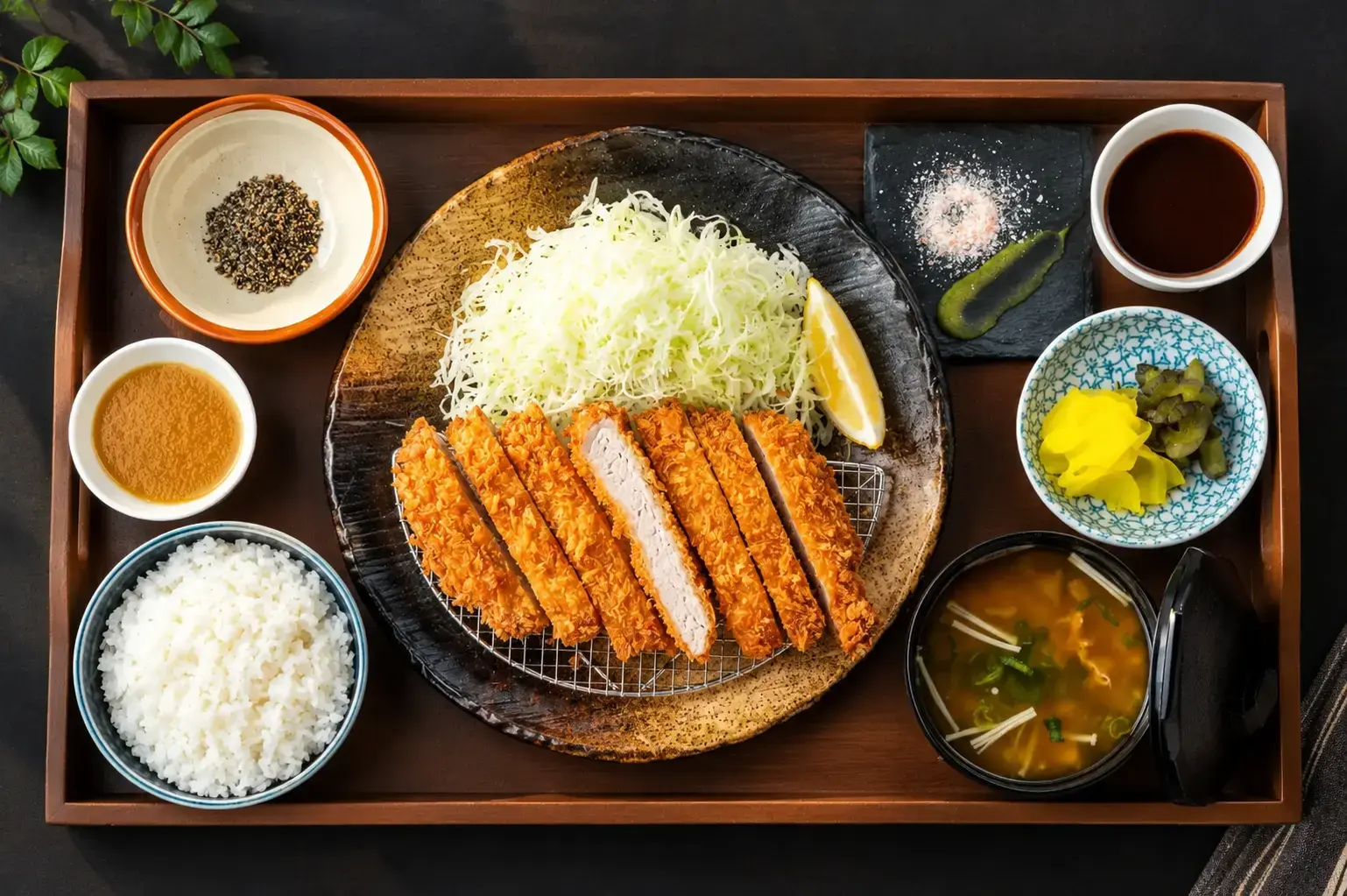
Teishoku is a set meal on a tray: a main dish, rice, and soup. For tonkatsu, it usually comes with a bed of finely shredded cabbage and a wedge of lemon. The cutlet arrives pre-sliced, so it’s easy to eat with chopsticks.
That cabbage I drowned on my first try? It’s meant to be eaten with a squeeze of lemon. It cuts through the oil and resets your palate between bites. Now it’s one of my favorite parts of the meal.
Making Katsu at Home: The Simple Version
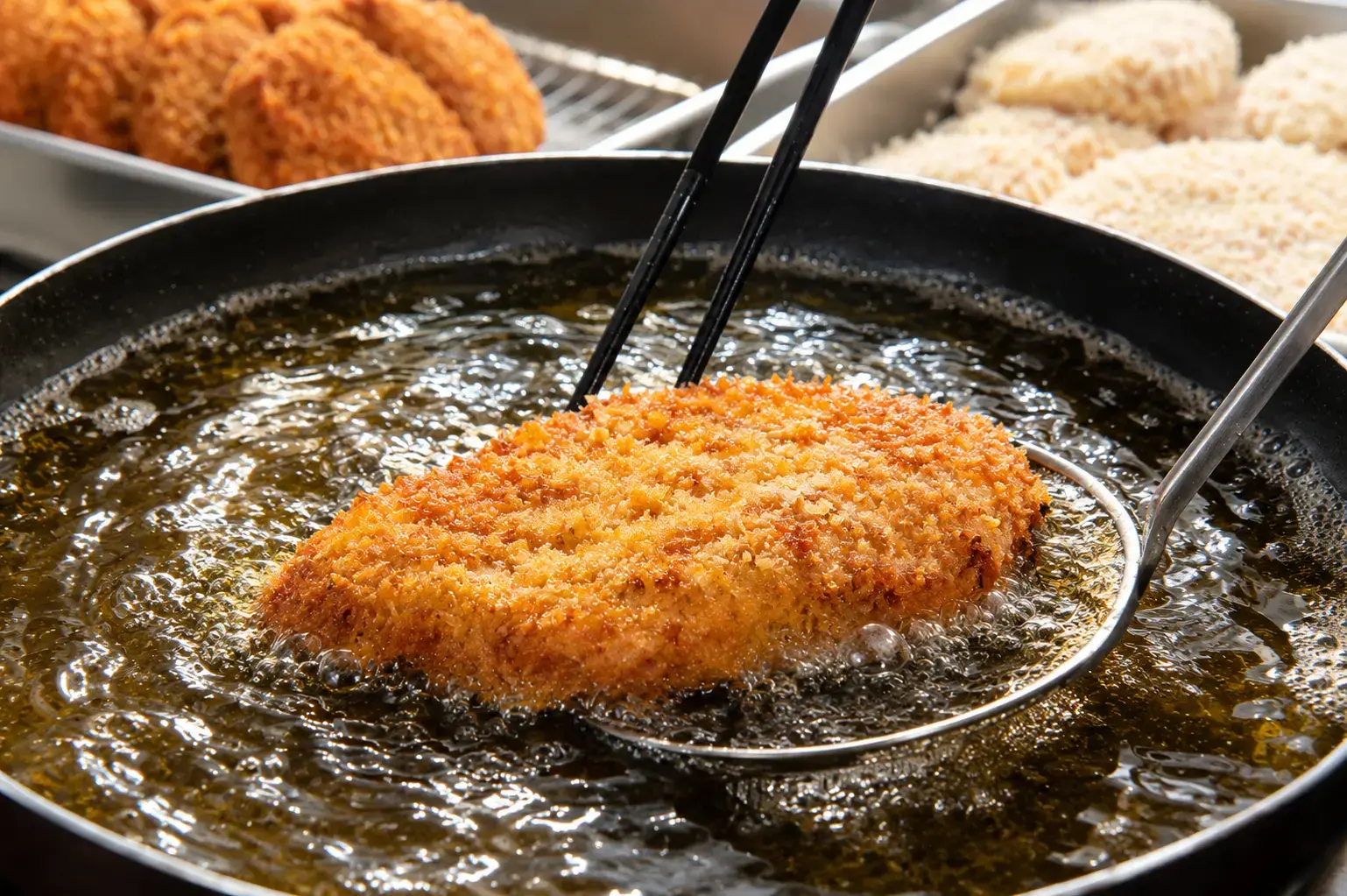
If you want to prepare katsu yourself, here’s the basic process. Expect about 30 to 40 minutes the first time.
Pound the meat. Flatten your chicken or pork to an even thickness so it cooks evenly.
Season lightly with salt and pepper.
Coat in three steps: flour, then beaten egg, then panko breadcrumbs. Press the panko on firmly.
Fry in hot oil until golden brown on both sides.
Rest it on a rack for a minute or two, then slice.
Pro tip: An air fryer works if you’d rather not deep fry. Spray the panko lightly with oil first. It won’t be quite as crisp as deep fried katsu, but it’s close, and your kitchen won’t smell of oil for two days.
Common Mistakes to Avoid
Here’s what I got wrong, so you don’t have to.
Pouring sauce over everything. You lose the crunch fast. Dip instead.
Using fine breadcrumbs. Without panko, the crust turns dense and heavy. You can find panko at most supermarkets with a Japanese or Asian section.
Skipping the flour. The egg won’t stick properly, and the breading slides off in the pan. I’ve watched it happen.
Crowding the pan. Too many cutlets drop the oil temperature, and you end up with greasy, pale katsu. Fry in small batches.
Slicing too early. Cut straight out of the oil and the juices run onto the plate. Give it a short rest.
Leaving it to sit. Katsu tastes best eaten soon after it’s cooked. If you’re ordering delivery in Singapore’s humidity, know that the crust will soften on the way.
FAQ
What is katsu chicken, compared to regular fried chicken?
Chicken katsu is a flattened, boneless cutlet coated in flour, egg, and panko. Regular fried chicken is often bone-in and coated in batter or seasoned flour. Katsu is lighter and flakier in texture.
Is katsu spicy?
No. Katsu itself isn’t spicy. Even katsu curry is usually mild, since Japanese curry leans sweet.
Is katsu the same as schnitzel?
They’re similar in form. The key difference is that katsu always uses panko and is served with a thick, tangy sauce on the side.
Is chicken katsu healthier than tonkatsu?
Many people choose chicken breast as a lighter option. But it’s still deep fried, so I’d treat it as a satisfying meal rather than a light one.
Can I eat katsu without pork?
Yes. Chicken, beef, salmon, fish, and cheese katsu all exist. Just ask what the cutlet is before ordering if you have dietary needs.
Final Thoughts
Katsu doesn’t need much explaining once it’s in front of you. A cutlet, a crust, a sauce on the side. Rice or bread or a bowl of curry to hold it all together.
But knowing a little more changes how you eat it. You start noticing whether the panko is fresh. Whether the cabbage is cut fine. Whether the cutlet was sliced just before it reached you.
So the next time you sit down with a plate of chicken katsu curry, slow down for the first bite. Dip, don’t pour. Eat the cabbage. And if you’ve got your own katsu story, the place you always go back to or the mistake you made once, we’d be glad to hear it.